Solar Progress Solar Inverter

Solar Progress- Solar Inverter

Solar Inverters: Empowering Solar Energy Conversion for Homes and Businesses

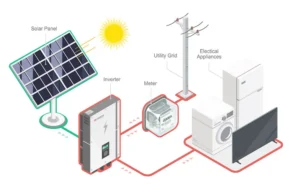
Solar energy has emerged as a promising renewable resource, offering a clean and sustainable alternative to traditional power sources. To harness the full potential of solar energy, photovoltaic (PV) panels are used to convert sunlight into direct current (DC) electricity. However, since most homes and businesses operate on alternating current (AC), solar inverters play a pivotal role in bridging the gap by converting DC power into usable AC power. In this article, we delve into the importance of solar inverters and explore different types of inverters.
The Importance of Solar Inverters

Solar inverters serve as the essential link between solar panels and the electrical grid. They perform two critical functions: converting DC power to AC power and managing the flow of electricity. Here are a few reasons why solar inverters are of utmost importance in solar energy systems:

AC Power Conversion : Solar panels generate DC electricity, which is unsuitable for most appliances and equipment. Solar inverters transform this DC power into the AC power required by homes and businesses, enabling seamless integration with the existing electrical infrastructure.

Grid Connection : Solar inverters facilitate the connection of solar energy systems to the electrical grid. By feeding excess energy into the grid, solar owners can earn credits through net metering or even receive compensation for the surplus electricity they generate.

Safety and Monitoring : Inverters ensure the safety of solar systems by monitoring performance, detecting faults, and disconnecting from the grid during power outages. This feature protects both the grid and the maintenance personnel from potential electrical hazards.

Types of Solar Inverters

Solar inverters come in various types, each with its own characteristics and applications. Let’s explore three common types: string inverters, microinverters, and power optimizers.

String Inverters
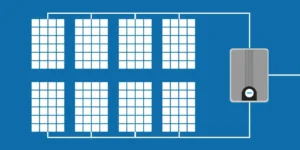
String inverters are the most common and cost-effective type of inverters. They are connected to multiple solar panels, typically arranged in a series or “string.” The DC electricity generated by the entire string of panels is channeled into the inverter, which converts it into AC power. String inverters are easy to install and maintain, making them popular for residential and small-scale commercial installations.

Microinverters
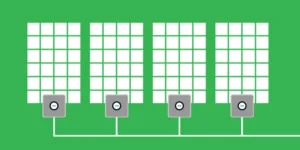
Microinverters are a distributed inverter solution where each solar panel is equipped with its own dedicated inverter. This design allows each panel to operate independently, ensuring that shading or malfunctions in one panel do not impact the overall system’s performance. Microinverters offer increased energy harvest and system monitoring capabilities, making them suitable for installations with complex shading conditions or panels with varying orientations.

Power Optimizers
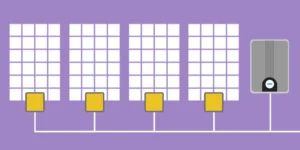
Power optimizers are devices that optimize the performance of each solar panel by individually tracking and adjusting its maximum power point (MPP). Like microinverters, they are installed at the panel level, working in conjunction with a central string inverter. Power optimizers mitigate losses caused by shading or mismatched panels, improving overall system efficiency. They also offer enhanced monitoring capabilities, allowing owners to track the performance of each panel.

Solar inverters play a crucial role in converting the DC power generated by solar panels into usable AC power for homes and businesses. They enable the integration of solar energy systems with the electrical grid, facilitating energy independence, cost savings, and environmental benefits. Different types of inverters, such as string inverters, microinverters, and power optimizers, cater to diverse installation requirements, ensuring optimal performance and increased energy harvest. As solar energy continues to gain prominence, the evolution of solar inverters remains integral to harnessing its full potential and transitioning towards a sustainable future.


Solar Connect June

Welcome to Solar Connect!

Jovial June!

In India, the agricultural sector plays a crucial role in the country’s GDP. The storage and processing of harvested crops are of utmost importance, particularly when it comes to cooling fruits and vegetables to maintain their freshness and prevent rapid deterioration before transportation.

However, India faces a shortfall of over 10 million tons in cold storage facilities for agricultural produce, and energy expenses account for a significant 28% of costs in these cold storages.

A report commissioned by the Planning Commission of India, which aimed to understand the causes of post-harvest losses in key agricultural states like Uttar Pradesh and Bihar, identified the lack of reliable power supply in these regions. The report also highlighted that existing large-scale cold storage facilities located in urban centers primarily cater to potato storage. Additionally, the distance between rural producers and markets increases the risk of post-harvest deterioration.

Therefore, there is a pressing need to establish self-reliant and sustainable cold storage facilities in close proximity to agricultural fields. By doing so, transportation costs can be reduced, which would encourage more farmers to avail themselves of this facility.

The potential for renewable energy in India is significant, with an estimated capacity of over 245 GW, including more than 100 GW from solar energy alone. This vast potential encompasses various forms of renewable energy. By embracing renewable energy sources, sectors like food storage/cold chain can enhance their energy security. The technological and economic advancements in renewable energy have made it a viable alternative to grid power, allowing its deployment even in remote areas at a competitive price and on a large scale.

A Story of a Solar-Powered Village

We are excited to share the success story of Odhuntatrai village, a shining example of harnessing solar energy for sustainable development. With the installation of a solar power plant, this rural community has become self-sufficient in meeting its energy needs. The solar panels not only power the village’s homes and businesses but also contribute to reducing carbon emissions. Odhuntatrai village serves as an inspiring model for other communities looking to embrace clean and renewable energy sources.

Embracing a Sustainable Future

In celebration of World Environment Day, we joined hands with global citizens to raise awareness about the importance of protecting our planet. Our aim is to inspire individuals and communities to take action towards building a sustainable future. Together, we can make a positive impact on the environment and combat climate change.

Media Affair!

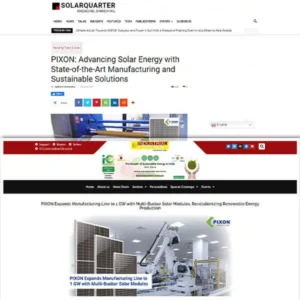
We are delighted to announce that our efforts in the solar industry have been recognized by leading publications. PIXON has been featured in both Industry Outlook and Solar Quarter magazines. These platforms have highlighted our innovative projects, commitment to renewable energy, and contributions towards a greener world. We are grateful for the recognition and remain dedicated to pushing the boundaries of solar technology.

Empowering Solar Dealers with Financial Solutions

PIXON is proud to announce its partnership with Ecofy, a renowned financial provider in the renewable energy sector. This collaboration aims to support and empower solar dealers by offering tailored financial solutions. By working together, we can facilitate easier access to funding, streamline operations, and accelerate the adoption of solar energy solutions. We are excited about the opportunities this collaboration brings for the solar industry as a whole.

Finding Balance between Inner Peace and Well-being

In honor of International Yoga Day, PIXON organized a special event to promote the harmonious connection of holistic well-being. We conducted yoga sessions at our Parent Company- MSFL encouraging participants to embrace a healthy and sustainable lifestyle. We aimed to inspire individuals to lead balanced lives while nurturing the environment.

Pushing Boundaries in Solar Technology

We are thrilled to announce the successful completion of a remarkable solar power project at ORB Greentech Pvt Ltd. Our team collaborated with ORB Greentech to install a state-of-the-art 1.2 MW Poly Non-DCR solar power plant. This venture showcases our commitment to delivering cutting-edge solutions and expanding India’s solar capacity. The power plant will generate clean electricity, reducing the company’s carbon footprint and contributing to a sustainable future.