Solar Panel Key Components: Exploring the Building Blocks of Solar Energy

Solar Panel Key Components: Exploring the Building Blocks of Solar Energy

Solar Inverters: Empowering Solar Energy Conversion for Homes and Businesses

Welcome to our latest technical newsletter- Solar Progress! In this edition, we will delve into the fascinating world of solar modules and explore the materials and components that make up these essential components of solar energy systems. So, let’s uncover the secrets behind solar module construction!

Solar modules, also known as solar panels, are devices that convert sunlight into electricity through the photovoltaic effect. They are a key component of solar power systems and play a vital role in harnessing renewable energy. Understanding their composition will help us appreciate the engineering marvel behind solar energy generation.

Photovoltaic (PV) Cells:

At the heart of every solar module lies the photovoltaic cell, which is responsible for converting sunlight into electricity. PV cells are typically made of semiconductor materials, most commonly crystalline silicon. Silicon is abundant and possesses the necessary electrical properties to enable efficient energy conversion. Within the PV cell, the silicon is doped with impurities to create a positive and negative charge imbalance, facilitating the movement of electrons when sunlight interacts with the cell.

Highly Transparent Tempered Front Glass:

The front surface of a solar module is covered with a durable and transparent material, often tempered glass. This glass protects the PV cells from external elements, such as moisture and physical damage, while allowing sunlight to pass through

Encapsulant EVA Film and Insulating Backsheet:

To safeguard the delicate PV cells from environmental factors, a layer of encapsulant material is applied. Ethylene-vinyl acetate (EVA) is commonly used as an encapsulant due to its excellent light transmittance, adhesion properties, and resistance to ultraviolet (UV) radiation. The encapsulant also helps in providing electrical insulation.

The backsheet, located on the rear side of the module, acts as a barrier against moisture and provides electrical insulation. It is typically made of a polymer-based material, such as polyvinyl fluoride (PVF) or polyester.

Frame and Junction Box:
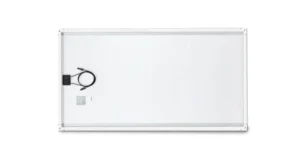
To support and protect the solar module, a frame is constructed around the edges. The frame is typically made of aluminum due to its lightweight nature, corrosion resistance, and structural strength.

The junction box, usually located on the rear side of the module, contains electrical components such as bypass diodes and wiring connections. It plays a crucial role in facilitating the interconnection of multiple solar modules to form an array and enables the efficient flow of electricity.

Interconnecting Wires:
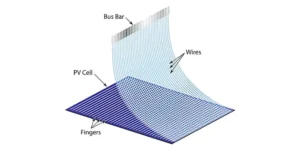
Inside the module, interconnecting wires establish electrical connections between individual PV cells. These wires are designed to withstand environmental conditions and electrical currents generated by the cells.

By combining these components in a precise manner, solar module manufacturers create robust and efficient devices capable of harnessing sunlight to produce electricity.

It is worth noting that there are variations in solar module design and materials used across different technologies, such as monocrystalline silicon, polycrystalline silicon, and thin-film solar modules. Each technology has its own advantages and considerations when it comes to material composition and manufacturing processes.

Solar modules continue to evolve as researchers explore innovative materials and engineering techniques to enhance efficiency, durability, and cost-effectiveness. The ongoing advancements in the field promise a bright future for solar energy as a clean and sustainable power source.

We hope this newsletter has provided you with valuable insights into the composition of solar modules. As always, we encourage you to stay curious and keep exploring the ever-evolving world of renewable energy.

Solar Connect July

Welcome to Solar Connect!

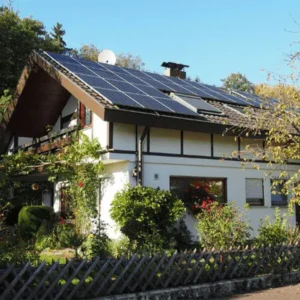
In the quest for sustainable and renewable energy sources, solar power stands out as a leading contender. Harnessing the abundant energy from the sun has become a significant global endeavor. However, not all solar installations are created equal, and the presence of trees around solar panels can have a substantial impact on their energy production. We’ll delve into the relationship between trees and solar production, exploring both the benefits and challenges they present.

The Solar-Trees Dynamic

While both solar panels and trees rely on sunlight to function, they have conflicting needs. Solar panels require unobstructed access to direct sunlight to operate efficiently, while trees compete for sunlight in their quest to grow and thrive. As such, the presence of trees near solar panels introduces a delicate balancing act between clean energy generation and maintaining the ecological benefits of trees.

Benefits of Trees on Solar Production

Shade and Cooling

Trees can provide essential shading for solar panels, helping to mitigate temperature fluctuations and reducing the risk of overheating. In some cases, this can even improve the efficiency and lifespan of the panels.

Biodiversity and Ecosystem Services

Solar farms can transform into environmentally friendly spaces when combined with tree planting initiatives. Trees promote biodiversity, foster natural habitats for wildlife, and provide valuable ecosystem services like carbon sequestration and air purification.

Aesthetic Appeal

Solar installations integrated with well-planned landscaping featuring trees can blend more harmoniously into the surrounding environment, gaining support and acceptance from local communities.

Challenges Trees Pose to Solar Production

Shading Impact

While providing shade can be beneficial, excessive shading from overgrown trees can significantly reduce solar output, potentially offsetting the gains made from their environmental advantages.

Leaf Debris and Maintenance

Trees shed leaves and branches, which can accumulate on solar panels, obstructing sunlight and necessitating frequent cleaning and maintenance efforts.

Root Intrusion

Tree roots can extend and potentially damage the infrastructure supporting solar panels, leading to safety and maintenance concerns.

In the pursuit of a sustainable future, solar energy plays a crucial role. Understanding the intricate relationship between trees and solar production allows us to optimize clean energy generation while preserving the invaluable contributions of trees to our environment. By implementing thoughtful strategies, we can strike the right balance, harnessing the power of both solar panels and trees to create a greener and more sustainable world.

News Flash

  • Smart Energy, a prominent magazine, recently featured an article about PIXON’s collaboration with Ecofy. The partnership aims to offer financial solutions tailored to address the specific product-based financial requirements of dealers and distributors associated with Pixon. To access the full news, kindly click on the provided link: https://www.linkedin.com/feed/update/urn:li:activity:7086692266836160512/
  • In yet another prominent renewable mirror magazine, the collaboration between PIXON and Ecofy has been featured. Together, they are set to revolutionize the financial landscape, offering innovative solutions that will empower businesses like never before. To access the full news, kindly click on the provided link: https://www.linkedin.com/feed/update/urn:li:activity:7085924394430005248/

An Insightful Visit

MSB Educational Institute, Rajkot students venture into the world of innovation and technology during their enlightening Industrial Visit to PIXON factory. Witnessing cutting-edge manufacturing processes and meeting industry experts, they gain invaluable insights into the art of precision engineering and the future of industrial automation.