Solar Energy in Developing Countries: Empowering Communities with Sustainable Solutions

Solar Energy in Developing Countries: Empowering Communities with Sustainable Solutions

As the world grapples with the challenges of climate change, renewable energy sources have emerged as a crucial solution to reduce greenhouse gas emissions and promote sustainable development. Among the various renewable energy options available, solar energy stands out as a particularly viable and empowering solution for developing countries.

Solar energy provides a sustainable, reliable, and affordable source of electricity that can transform the lives of communities in developing countries, empowering them with access to clean energy and driving economic and social development.

Solar energy is the conversion of sunlight into electricity or thermal energy using photovoltaic (PV) panels or solar thermal collectors. It is a clean, abundant, and renewable source of energy that can be harnessed to meet various energy requirements, including electricity generation, heating, and cooling. Unlike fossil fuels, solar energy does not produce harmful emissions or contribute to air pollution, making it a cleaner and greener alternative.

Advantages:
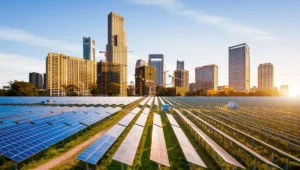
One of the significant advantages of solar energy in developing countries is its potential to improve energy access in remote and off-grid areas. Many rural communities in developing countries lack access to electricity or rely on unreliable and polluting energy sources, such as kerosene lamps or diesel generators. Solar energy can provide a reliable and sustainable source of electricity to power homes, schools, and healthcare facilities, improving living standards and supporting economic activities.

Solar energy can also contribute to poverty alleviation and economic empowerment in developing countries. By providing access to electricity, solar energy can enable income-generating activities, such as small-scale businesses, agricultural processing, and productive use of energy for manufacturing and other industries. Solar-powered irrigation systems can also help farmers increase crop yields and improve livelihoods, reducing their dependence on fossil fuel-based technologies and manual labor.

Furthermore, solar energy can have a positive impact on the environment and public health in developing countries. Many developing countries rely on traditional biomass fuels, such as wood and charcoal, for cooking and heating, which contribute to deforestation, indoor air pollution, and respiratory diseases. Solar-powered cooking solutions, such as solar cookers or biogas digesters, can provide a clean and healthy alternative, reducing environmental degradation and improving public health outcomes.

Solar energy projects in developing countries also have the potential to create jobs and stimulate local economies. The installation, operation, and maintenance of solar power systems require a skilled workforce, providing employment opportunities for local communities. Additionally, solar energy projects can create demand for local manufacturing, distribution, and supply chain services, supporting the growth of local industries and contributing to economic development.

Challenges:
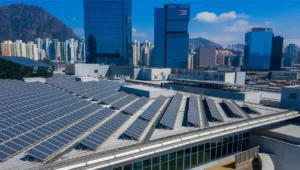
Despite the many benefits of solar energy in developing countries, there are challenges that need to be addressed for its widespread adoption. One of the main barriers is the upfront cost of solar power systems, including the cost of PV panels, inverters, batteries, and installation. However, the declining costs of solar technologies and the availability of financing options,are making solar energy more affordable and accessible to communities in developing countries.

Another challenge is the lack of technical capacity and knowledge about solar energy among local communities and governments. Building local capacity for the design, installation, operation, and maintenance of solar power systems is critical for the sustainability and long-term success of solar energy projects. Capacity-building initiatives, training programs, and knowledge sharing can help bridge this gap and empower local communities to take ownership of solar energy solutions.

In conclusion, solar energy has the potential to empower communities in developing countries with sustainable solutions for meeting their energy needs. It can improve energy access, contribute to poverty alleviation, promote economic empowerment, protect the environment, and create jobs. However, addressing challenges related to cost, technical capacity, and knowledge is crucial for the successful deployment of solar energy projects in developing countries. With the right support, solar energy can be a game-changer for communities in developing countries, unlocking opportunities for sustainable development.
Unveiling the Seasonal Shifts

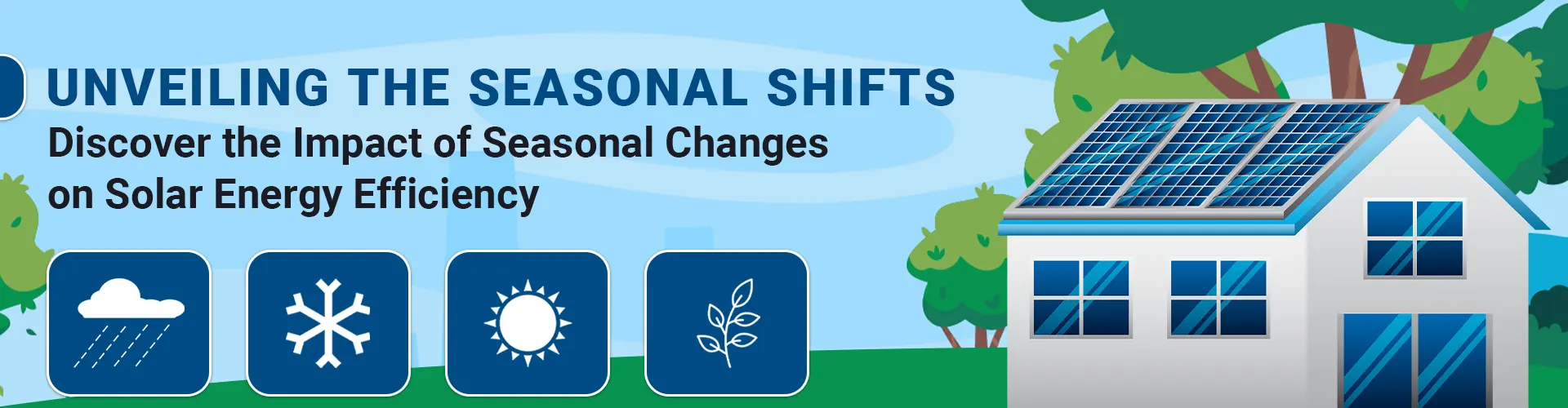
Unveiling the Seasonal Shifts

Discover the Impact of Seasonal Changes on Solar Energy Efficiency

Solar panels are a popular source of renewable energy, but their efficiency can be affected by seasonal variations. Understanding how seasonal variations affect the working of solar panels is important for those who rely on solar power to generate electricity.

Solar panels convert sunlight into electricity through the photovoltaic effect. The efficiency of solar panels is affected by several factors, including the angle and intensity of sunlight, temperature, and humidity. These factors are influenced by seasonal variations.

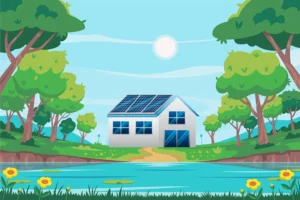
Summer Season (March to June):

During the summer months, the temperature in India can reach up to 45 degrees Celsius. The high temperature can cause a drop in the efficiency of solar panels, as the performance of the photovoltaic (PV) cells decreases with increasing temperature. This drop in efficiency is due to the thermal losses that occur within the solar panel. The electrical output of a solar panel decreases by 0.5% for every degree Celsius increase in temperature above 25 degrees Celsius. Therefore, it is essential to install solar panels with proper ventilation and cooling systems to mitigate the impact of high temperatures.

Monsoon Season (July to September):

The monsoon season brings heavy rainfall and cloudy skies, which can have a significant impact on the performance of solar panels. During the monsoon season, the output of solar panels can decrease by up to 30% due to reduced sunlight. Additionally, the accumulation of dirt and debris on the solar panel surface can further reduce their efficiency. Regular cleaning and maintenance of the panels are essential during this season to ensure optimal performance.

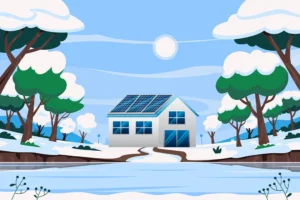
Winter Season (October to February):

During the winter months, the weather is generally dry and clear, which results in high solar radiation and good performance of solar panels. The lower temperature during this season also helps to improve the efficiency of solar panels. However, it is essential to keep the panels free from frost and snow, as they can obstruct sunlight and reduce output.

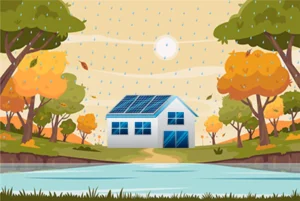
Spring and Fall Seasons

During the spring and fall seasons, the angle and intensity of sunlight are moderate, which results in moderate output from solar panels. The temperature is also moderate, which means that solar panels operate efficiently. However, these seasons can be unpredictable in terms of weather patterns, which can affect the output from solar panels.

Effects of Seasonal Variations on Solar Panel Efficiency

Seasonal variations can have a significant impact on the efficiency of solar panels. For example, during the winter season, solar panels may produce only 50-75% of the electricity they produce during the summer season. Similarly, during the spring and fall seasons, the output from solar panels may be unpredictable due to changes in weather patterns.

To ensure that solar panels operate efficiently throughout the year, it is important to consider the impact of seasonal variations when installing solar panels. This includes selecting a location that receives sufficient sunlight, shade, and ventilation, as well as selecting solar panels that are designed to operate efficiently in a range of temperatures and weather conditions.

In conclusion, seasonal variations can have a significant impact on the efficiency of solar panels. It is important to consider the impact of seasonal variations when installing solar panels and to select solar panels that are designed to operate efficiently in a range of temperatures and weather conditions. By doing so, it is possible to generate clean and renewable energy throughout the year.

While solar energy can be a “treat” for most months, there are certain months when it can be a “treak” instead.

During the summer months, solar energy can be a treat, as there are more hours of daylight and the sun is higher in the sky. This means that solar panels can generate more electricity, making it a great time to rely on solar power. Additionally, during the summer, air conditioning units typically run more often, which can increase the demand for electricity. The increased demand for electricity can be met by the additional energy generated by solar panels.

However, during the winter months, solar energy can be a treak. The days are shorter, and the sun is lower in the sky, which means that solar panels generate less electricity. Additionally, during the winter months, heating systems run more often, which can increase the demand for electricity. This can result in a higher reliance on non-renewable sources of energy to meet the increased demand.

Moreover, during the rainy season or cloudy days, solar energy can also be a treak as the amount of sunlight that reaches the solar panels is significantly reduced. This can result in a decrease in the amount of energy generated, making it a less reliable source of power during those times.

In summary, solar energy can be a treat for most months, especially during the summer, but during the winter months or rainy days, it can be a treak. It’s essential to consider the seasonal variations and weather conditions when deciding to rely on solar power.

Easy and Effiective Tips to reduce Energy Usage in Your Household

Easy and Effiective Tips to reduce Energy Usage in Your Household

In today’s world, where energy consumption is increasing at an alarming rate, it has become crucial for each of us to take responsibility for reducing our energy usage. Not only does this help protect the environment, but it also saves money on utility bills. In this blog, we will explore some practical and easy-to-implement tips that can significantly reduce energy consumption in households. By following these suggestions, you can contribute to a more sustainable future while enjoying the benefits of a lower energy bill.

Optimize Your Lighting:

Lighting accounts for a significant portion of a household’s energy usage. By adopting energy-efficient lighting practices, you can make a noticeable impact. Replace traditional incandescent bulbs with energy-saving LED bulbs, which consume up to 80% less energy. Additionally, make it a habit to turn off lights when leaving a room and utilize natural light whenever possible.

Unplug Electronics and Appliances:

Many electronics and appliances continue to draw power even when they are turned off or in standby mode. This phenomenon, known as “vampire” or “phantom” energy, contributes to unnecessary energy consumption. To address this, unplug devices when not in use or use power strips with on/off switches to easily cut off power to multiple devices simultaneously.

Harness the Power of Sunlight:

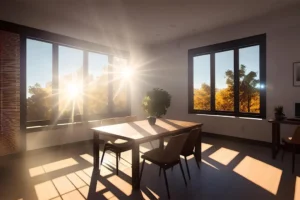
Take advantage of natural light during the day by opening curtains and blinds. This not only reduces the need for artificial lighting but also helps warm up your home during colder months. Similarly, during warmer months, close curtains and blinds during the hottest parts of the day to prevent your home from overheating, reducing the need for excessive air conditioning.

Optimize Heating and Cooling:

Heating and cooling systems consume a significant amount of energy. To reduce their impact, ensure proper insulation in your home to minimize heat loss during winter and heat gain during summer. Install a programmable thermostat to adjust the temperature according to your schedule, avoiding unnecessary energy use when you’re away. Regularly clean and maintain your HVAC system to improve its efficiency.

Efficient Water Usage:

Conserving water not only helps the environment but also reduces the energy required for water heating. Take shorter showers and install low-flow showerheads and faucets to decrease water usage. Fix any leaks promptly, as even minor drips can add up to significant wastage over time. Additionally, consider using energy-efficient appliances like dishwashers and washing machines, and always run them with full loads.

Energy-Smart Cooking:

Cooking efficiently can have a noticeable impact on your energy consumption. Opt for microwave ovens or toaster ovens for small meals instead of using the full-sized oven. When using the stovetop, match the size of the pot or pan to the burner to avoid energy waste. Use lids to retain heat and reduce cooking time. Lastly, consider using a pressure cooker for meals that require longer cooking times, as it uses less energy.

Smart Power Management:

Invest in smart power strips and energy monitoring devices that provide real-time data on your energy usage. This information can help you identify areas of improvement and motivate you to reduce consumption further. Additionally, schedule energy-intensive tasks like laundry and dishwashing during off-peak hours when energy demand is lower.

Reducing energy consumption in households is a responsibility that falls upon each of us. By implementing these simple yet effective tips, you can significantly reduce your energy usage, contribute to environmental sustainability, and save money on utility bills. Remember, small changes in our daily habits can make a big difference in the long run.

Let’s embrace an energy-conscious lifestyle and inspire others to follow suit, creating a brighter and greener future for generations to come.

Harnessing the Power of the Sun:Exploring Solar Hydroponics

Harnessing the Power of the Sun:Exploring Solar Hydroponics

In recent years, the world has witnessed a growing interest in sustainable agricultural practices that minimize resource consumption and reduce environmental impact. One innovative solution gaining traction is the concept of solar hydroponics, combining the benefits of hydroponics and solar energy. By harnessing the power of the sun to provide both electricity and heat, this promising agricultural technique offers numerous advantages over traditional farming methods. In this blog post, we will delve into the world of solar hydroponics, exploring its benefits, applications, and future prospects.

Understanding Hydroponics

Hydroponics is a method of growing plants without soil, using a nutrient-rich water solution instead. Plants in hydroponic systems are typically grown in an inert medium like perlite, vermiculite, or coco coir, which provides support to the roots. The plants receive all the necessary nutrients directly through the water solution, ensuring optimal growth and minimizing water wastage. Hydroponics offers numerous advantages over traditional soil-based cultivation, including higher yields, faster growth rates, and better control over environmental conditions.

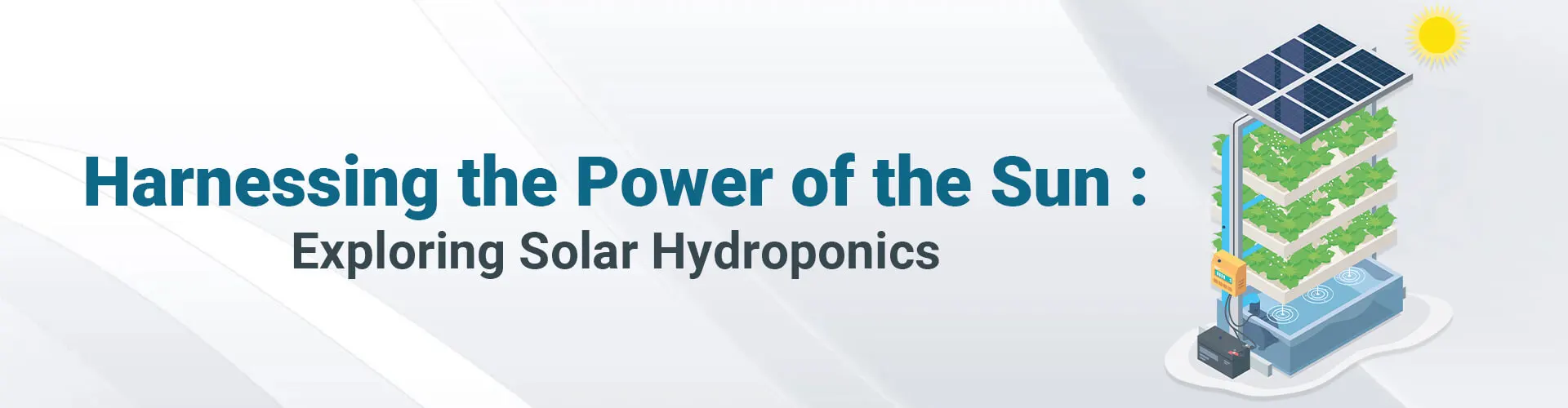
How does the solar-powered hydroponics system function?

The solar-powered hydroponics system operates by harnessing energy from the sun through the process of nuclear fusion. This energy is converted into electricity through the use of large panel plates, resulting in a significant power output.

The system relies on the Photovoltaic effect, which involves the conversion of solar energy into electrical energy using solar cells or energy packets.

To maximize solar energy absorption, the solar panels are positioned at specific angles to ensure direct exposure to sunlight. Within the system, various sensors autonomously detect and monitor factors such as temperature, humidity, pH levels, and light intensity. This information is crucial for maintaining optimal growing conditions.

Moreover, by utilizing these sensors, the system can effectively control the usage of fertilizer and water, minimizing wastage and optimizing resource efficiency

The solar-powered hydroponics system is designed to cultivate highly nutritious food while minimizing or eliminating the need for soil. By implementing this technique, farmers can significantly improve their agricultural efficiency. Moreover, the addition of a solar-powered system enhances the power supply, further optimizing the hydroponics process.

The solar powered hydroponics system operates on two key principles: increased oxygenation of plant roots and direct provision of liquid nutrients to the plants. These factors contribute to accelerated plant growth and increased crop yields.

Benefits of Solar Hydroponics:

Energy Efficiency: By utilizing solar power, hydroponic systems can achieve energy independence and reduce reliance on the grid. This ensures a more sustainable operation and lowers operating costs in the long run.

Increased Productivity: The precise control over environmental factors, facilitated by solar-powered systems, allows for optimal growing conditions throughout the year. As a result, plants can grow faster and produce higher yields compared to traditional farming methods.

Water Conservation: Hydroponic systems are known for their efficient water usage, as they recirculate the nutrient solution rather than allowing it to drain away. When combined with solar energy, this approach minimizes water consumption, making solar hydroponics an environmentally friendly choice.

Space Utilization: Hydroponics is inherently space-efficient, as plants can be grown vertically or in compact systems. Solar hydroponics takes this advantage further, enabling cultivation in areas with limited land availability by utilizing rooftops, greenhouses, or vertical farming structures.

Environmental Impact: By reducing reliance on fossil fuels and conventional farming practices, solar hydroponics contributes to a lower carbon footprint and helps mitigate climate change. Additionally, the absence of pesticides and herbicides in hydroponic systems minimizes soil degradation and water pollution risks.

Applications of Solar Hydroponics:

Solar hydroponics holds vast potential across various sectors, including:

Urban Agriculture: With the rise of urbanization, solar hydroponics allows for year-round cultivation in cities, promoting local food production, reducing food miles, and enhancing food security.

Remote and Off-Grid Locations: Solar-powered hydroponics systems can provide a sustainable food source in remote or off-grid areas that lack access to traditional farming methods and reliable electricity.

Controlled Environment Agriculture (CEA): Solar hydroponics is an ideal fit for CEA, where environmental factors such as temperature, humidity, and light intensity can be precisely regulated to maximize crop yields.

Research and Education: Solar hydroponics offers an excellent platform for scientific research, experimentation, and educational initiatives. Its simplicity and efficiency make it accessible for both learning institutions and home gardeners.

Future Prospects:

As solar technology continues to advance and become more affordable, the future of solar hydroponics looks promising. Integration with energy storage systems, such as batteries, can ensure a consistent power supply, even during periods of limited sunlight. Moreover, advancements in materials science and engineering may lead to more efficient solar panels and thermal collectors, further enhancing the viability and economic feasibility of solar hydroponic systems.

Solar hydroponics represents a convergence of sustainable agriculture and clean energy. By combining the benefits of hydroponics with solar power, this innovative approach offers numerous advantages such as energy efficiency, increased productivity, water conservation, and reduced environmental impact. With its wide-ranging applications and potential for future development, solar hydroponics has the power to revolutionize our food production systems and contribute to a greener and more sustainable future.

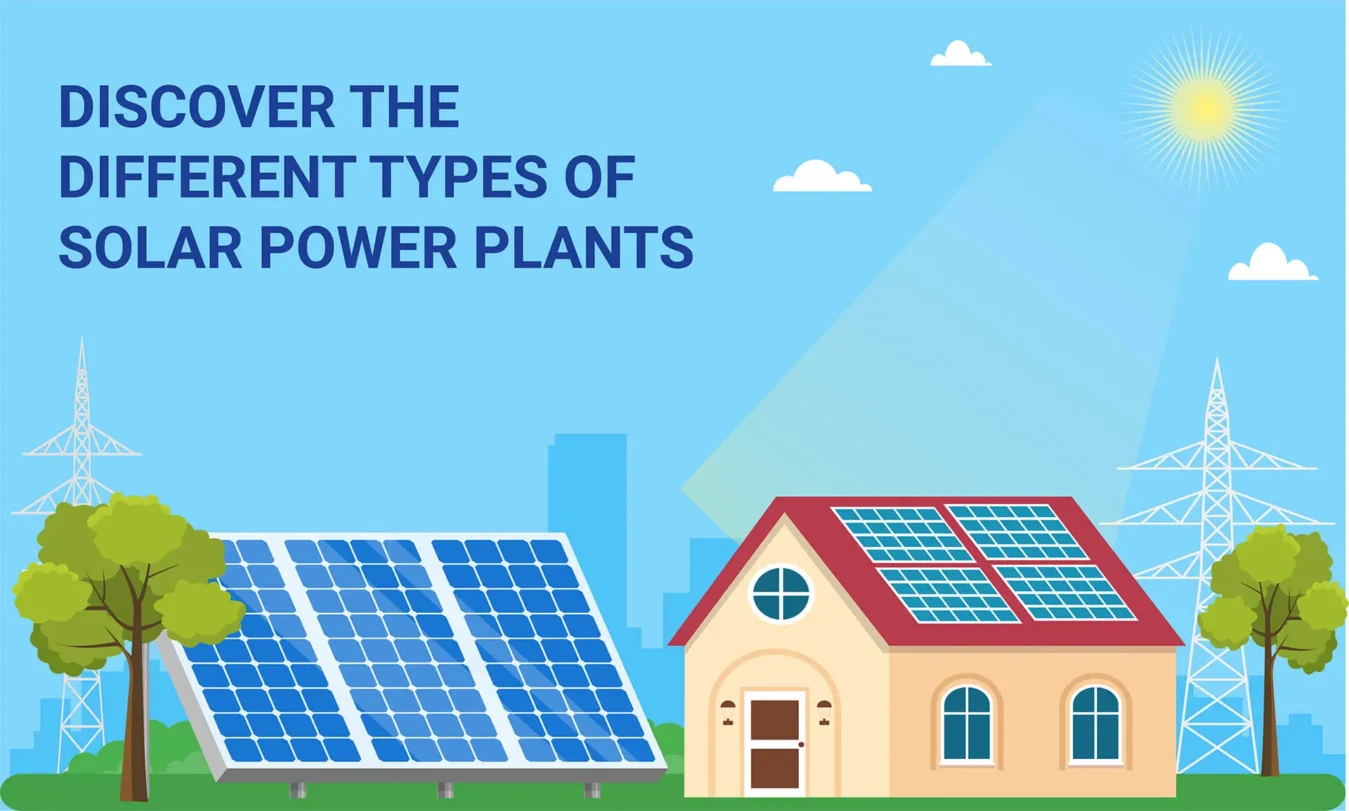
Discover The Different Type Of Solar Power Plants

Discover-The-Different-Type-Of-Solar-Power-Plants

A solar power plant, is an assemblage of numerous components that use the sun’s energy to generate electricity.

Because sunshine is abundant, you can purchase a solar plant to collect energy from the sun’s rays and power electrical equipment at home and at the office.

Learn about the five different types of solar power plant alternatives below.

What Are the Five Types of Solar Plants?

Solar plants are classified into five types: on-grid, off-grid, hybrid, commercial, and ground-mounted. Let’s take a closer look at each type.

1. On-grid

This sort of solar system, as the name implies, operates in combination with the grid. As a result, it is often referred to as a grid-tied or grid-connected solar plant.

The net metre sends the surplus electricity generated by the solar panels to the utility grid. What you require is consumed, any excess is transferred to the grid, and when the sun sets and the panels aren’t producing electricity, the required electrical units are imported from the grid.

There will be no need for batteries to keep the power supply running. Because of this, an on-grid solar power plant is one of the greatest types of solar power plant solutions for residential use wherever there is a stable grid.

2. Off-Grid

The second form is an off-grid solar power plant.

The off-grid solar system, unlike the on-grid solar plant, is not connected to the utility grid. So, how does it store the extra electricity produced during peak hours? This is accomplished through the usage of batteries.

During the night, when there is no sunshine, the batteries provide power to the inverter, which keeps your appliances operating.

Off-grid systems provide electricity to households even when there is no sunlight.

3. Hybrid

The hybrid solar power plant is one of the most popular types of solar power plant solutions. The term ‘hybrid’ refers to a combination. This solar power plant combines the advantages of on-grid and off-grid solar power plants. Excess energy is stored in batteries and on the power grid.

When the solar array generates energy during the day, it is routed through the hybrid inverter into the net metre and distributed to the home appliances.

If the batteries are fully charged, the excess power is used to charge them and then delivered to the grid.

4. Ground-Mounted

The ground-mounted solar power plant is set up on the ground. This solar plant has similar functionality as grid-connected systems.

The main distinction is that because it is mounted on the ground, it is fixed at a central location from where energy is created and provided to adjacent regions. It is made up of inverters, solar panels, and grid-connected devices.

5. Commercial

These are also grid-connected solar plants located in commercial areas. They operate similarly to grid-connected devices and significantly cut electricity consumption at commercial properties such as offices and corporate organisations.

There is no definitive answer to the question of which solar power plants are the best. It is entirely dependent on a variety of things such as your budget, the amount of electricity you intend to generate, the amount of space required to construct the system, and so on.

You now understand the various sorts of solar power plant options.Although there is no right or incorrect solar power plant, acquiring one that does not meet your needs would result in wasted money.

Solar power plants are costly. As a result, it is important to know about the benefits and drawbacks of a solar power plant in order to maximise returns on large investments.

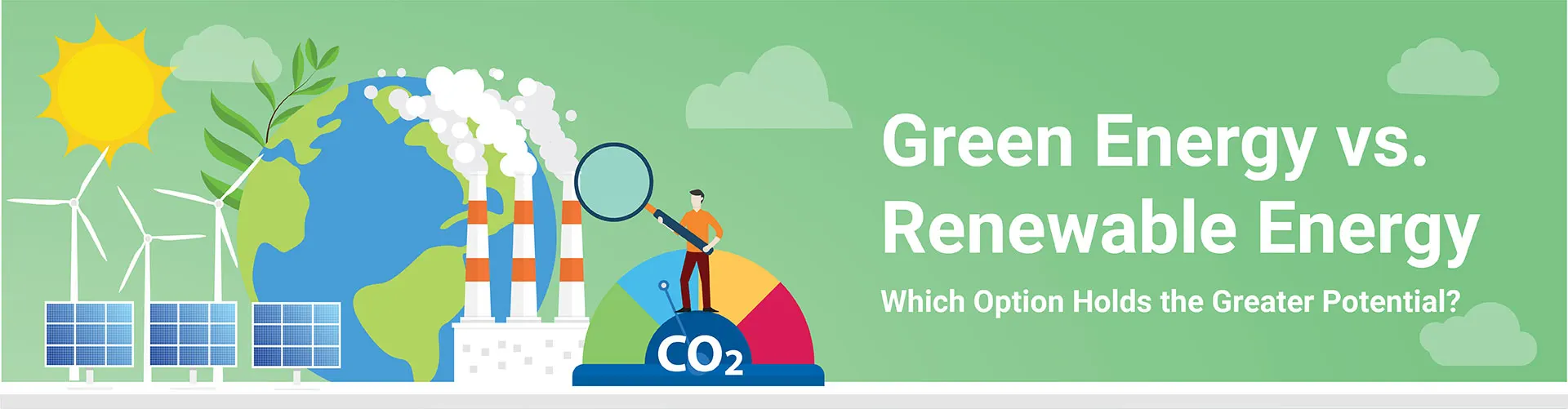
Green Energy vs. Renewable Energy – Which Option Holds the Greater Potential?

Comparing Opportunities in 2023: Green Energy vs. Renewable Energy – Which Option Holds the Greater Potential?

As the world continues to grapple with the challenges posed by climate change, the search for sustainable energy alternatives has gained momentum. Green energy and renewable energy have emerged as two prominent contenders in the quest for a cleaner and more environmentally friendly future. In 2023, these two options present significant opportunities for economic growth, job creation, and environmental preservation. In this blog, we will delve into the comparison of green energy and renewable energy, exploring their potential and evaluating which option holds greater promise for a sustainable future.

Understanding Green Energy

Green energy, also known as clean energy, refers to energy generated from sources that have minimal environmental impact. This includes energy derived from renewable sources such as solar, wind, hydroelectric, geothermal, and biomass. The primary objective of green energy is to reduce greenhouse gas emissions and minimize reliance on fossil fuels.

Exploring Renewable Energy

Renewable energy encompasses a broader spectrum of energy sources. It includes green energy sources but extends to include other alternatives like nuclear energy, which does not produce direct greenhouse gas emissions but poses other concerns regarding waste management and safety.

Comparing Environmental Impact

When evaluating the potential of green energy and renewable energy, their environmental impact is a crucial factor. Green energy sources such as solar and wind power have a significantly lower carbon footprint compared to conventional energy sources. They harness the power of natural elements to generate electricity without releasing harmful emissions. In contrast, while some forms of renewable energy like nuclear power do not emit greenhouse gases, they still pose concerns regarding radioactive waste management and the potential for accidents.

Energy Efficiency and Scalability

In terms of energy efficiency, green energy sources are often more effective than certain forms of renewable energy. Solar panels and wind turbines, for instance, have experienced substantial advancements in technology, resulting in higher efficiency and lower costs. On the other hand, certain renewable energy technologies, like nuclear power plants, require substantial initial investment and have limitations in terms of scalability.

Economic Potential and Job Creation

Both green energy and renewable energy offer significant economic potential and job creation opportunities. The shift towards a sustainable energy sector opens up avenues for investment, innovation, and the development of new industries. Green energy solutions, such as the installation and maintenance of solar panels and wind farms, have already led to the creation of numerous jobs globally. Additionally, renewable energy infrastructure projects, such as the construction of hydroelectric power plants or nuclear reactors, have the potential to generate substantial employment opportunities.

Policy and Regulatory Landscape

The policy and regulatory landscape play a crucial role in shaping the potential of green energy and renewable energy. Governments worldwide are implementing incentives, subsidies, and supportive frameworks to encourage the adoption of cleaner energy sources. The emphasis on reducing carbon emissions and achieving climate goals further strengthens the case for green energy investments. However, the adoption of certain renewable energy technologies like nuclear power is subject to stringent regulations and public sentiment, making it a more complex option to implement.
While both green energy and renewable energy present significant opportunities in 2023, the potential for a sustainable future leans towards green energy. Green energy sources, such as solar and wind power, offer a cleaner and more scalable option with lower environmental impact. Moreover, advancements in technology, declining costs, and the strong policy support for green energy make it a promising investment for businesses, governments, and individuals alike.

That said, it’s important to acknowledge that the transition to a sustainable energy future will require a combination of various energy sources. The pursuit of renewable energy options, including nuclear power, cannot be disregarded, as they contribute to a diverse and resilient energy mix. The ultimate goal should be to strike a balance between maximizing the potential of green energy and responsibly integrating other renewable energy sources.

As we move forward, the key lies in continued innovation, collaboration, and sustained efforts to create a sustainable energy ecosystem that not only mitigates the impacts of climate change but also drives economic growth and improves the quality of life for future generations.

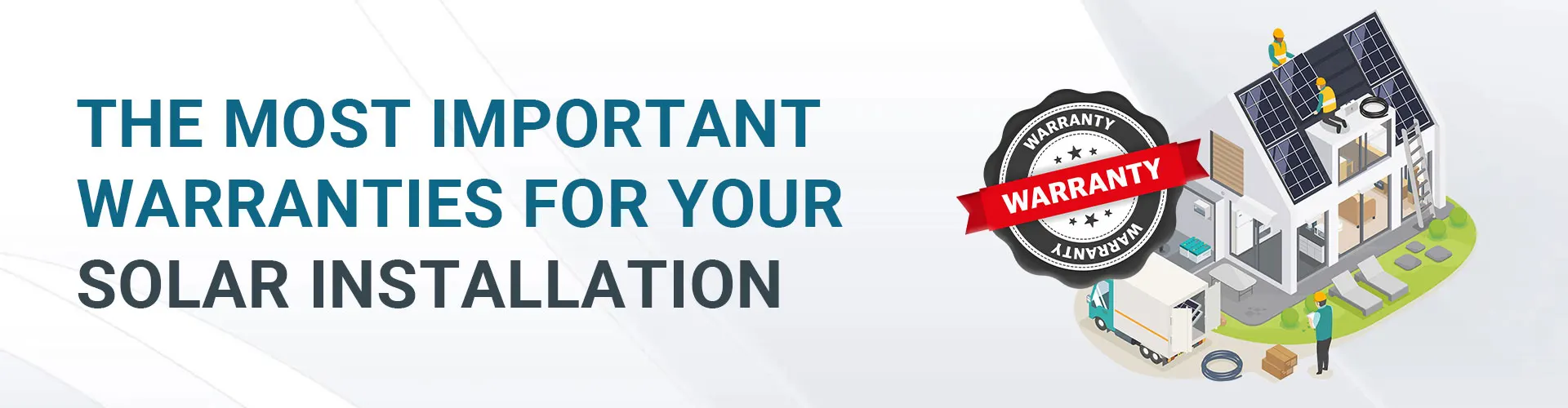
The Most Important Warranties for Your Solar Installation

The Most Important Warranties for Your Solar Installation

In recent years, solar energy has gained significant traction as a clean and sustainable power source. As more homeowners and businesses transition to solar installations, it is crucial to understand the various warranties that come with these systems. Solar warranties not only provide peace of mind but also ensure the long-term reliability and performance of your investment. In this blog post, we will explore the most important warranties to consider when investing in a solar installation.
1. Product Warranty

The product warranty covers the solar panels themselves and guarantees their performance over a specified period. It typically ranges from 10 to 25 years, depending on the manufacturer. A longer product warranty is an indicator of a higher quality panel. Make sure to inquire about the coverage for defects, manufacturing flaws, and premature degradation. Reputable manufacturers often offer linear warranties, assuring a certain power output percentage throughout the warranty period.

2. Performance Warranty

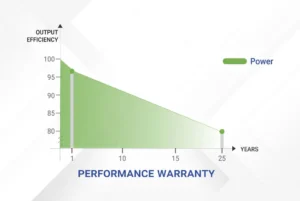
While the product warranty focuses on manufacturing defects, the performance warranty ensures that your solar panels maintain a certain level of energy production over time. This warranty guarantees that the panels will generate electricity at a specified efficiency level for a specific duration, typically 25 years. If the panels fail to meet the stated performance criteria, the manufacturer may repair or replace them.

Inverter Warranty

The inverter is a crucial component of a solar installation as it converts the direct current (DC) electricity generated by the panels into alternating current (AC) electricity used in homes and businesses. Inverter warranties typically range from 5 to 12 years. It’s important to consider both the warranty length and the coverage, including parts and labor costs. Opting for an extended warranty or investing in a higher-quality inverter can provide added protection and minimize potential repair expenses.

3. Installation Warranty

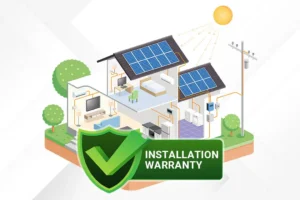
An installation warranty is often overlooked but plays a vital role in ensuring the quality and workmanship of your solar system. It covers any issues arising from the installation process, such as roof leaks, electrical faults, or mounting problems. A reputable solar installer will offer a warranty on their work, typically ranging from 1 to 10 years. Be sure to clarify the scope of the installation warranty and any associated terms and conditions.

4. Monitoring and Maintenance Warranty

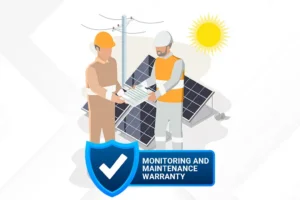
Some solar companies provide additional warranties for system monitoring and maintenance services. These warranties typically cover the performance monitoring equipment, software, and any necessary maintenance or repairs. Having access to real-time data and proactive maintenance services can optimize your solar system’s performance and minimize any potential downtime.

5. Extended Warranties

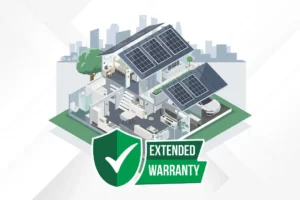
While the standard warranties mentioned above offer a reasonable level of coverage, many manufacturers and installers offer the option to purchase extended warranties. These extended warranties can provide additional years of coverage beyond the standard warranty periods, offering further protection and peace of mind.

Investing in a solar installation is a long-term commitment, and understanding the various warranties associated with the system is crucial. By considering the product warranty, performance warranty, inverter warranty, installation warranty, and monitoring and maintenance warranty, you can ensure the reliability, efficiency, and longevity of your solar installation. Remember to research reputable manufacturers and solar installers who provide comprehensive warranties and excellent customer support. Taking the time to understand and evaluate the warranties will help you make an informed decision and enjoy the benefits of clean, renewable solar energy for years to come.


Solar Net Metering: Empowering Homeowners and the Environment

Solar Net Metering: Empowering Homeowners and the Environment

As the world grapples with the challenges of climate change and the growing demand for sustainable energy sources, solar power has emerged as a key player in the transition to a greener future. Among the various solar energy incentives and initiatives, one of the most significant and effective is solar net metering. This groundbreaking concept has revolutionized the way homeowners generate, consume, and share solar energy. In this blog, we will explore the essence of solar net metering, its benefits, and how it plays a crucial role in fostering renewable energy adoption.

What is Solar Net Metering?

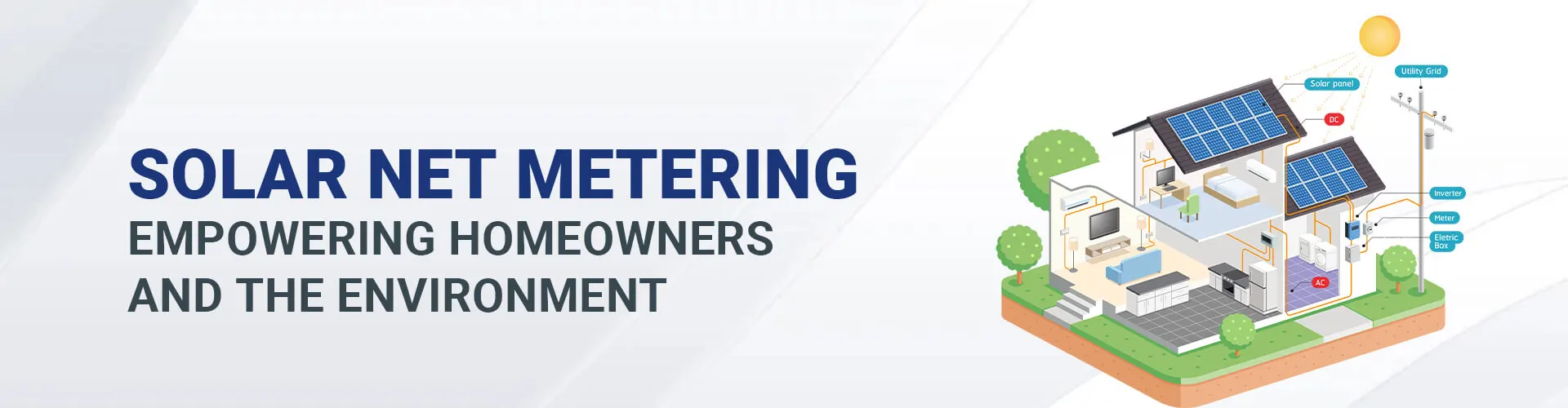
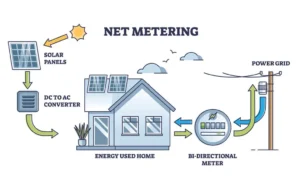
Solar net metering is a billing arrangement that allows homeowners with solar photovoltaic (PV) systems to offset their energy costs by generating surplus electricity and sending it back to the grid. Simply put, it enables solar panel owners to be compensated for the excess electricity their solar panels produce.

How Does Solar Net Metering Work?

Energy Production

When the sun shines, solar panels on a homeowner’s roof convert sunlight into electricity. This electricity is then used to power the home’s appliances and electrical devices.

Surplus Electricity

During periods when the solar panels generate more electricity than the household needs, the excess energy is fed back into the local electrical grid.

Metering

The two-way energy meter keeps track of the electricity exported to the grid and the electricity consumed from the grid separately. This allows homeowners to receive credits for the surplus electricity they contribute to the grid.

Billing

At the end of a billing period (usually monthly), the electricity consumption and the excess electricity fed into the grid are reconciled. Homeowners either pay for their net electricity consumption (consumed minus exported) or receive credits for any surplus energy they provided to the grid.

Key Benefits of Solar Net Metering:

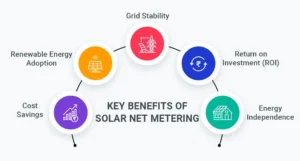
Grid Stability

Solar net metering has an ancillary benefit for the electrical grid. During peak solar production periods, surplus energy is supplied back to the grid, reducing strain on traditional power sources and improving grid stability.

Renewable Energy Adoption

By encouraging the adoption of solar energy, net metering plays a vital role in reducing dependence on fossil fuels. Increased solar energy production means fewer greenhouse gas emissions, leading to a cleaner and more sustainable environment.
Return on Investment (ROI)

Solar panels are a significant investment for homeowners. Net metering enhances the ROI by allowing homeowners to make the most of their solar PV systems and even earn credits during periods of high solar output.
Cost Savings

Solar net metering empowers homeowners to save significantly on their electricity bills. By generating their own electricity and exporting excess energy, they offset the electricity purchased from the grid, effectively reducing their monthly expenses.

Energy Independence

With solar net metering, homeowners become more self-reliant in meeting their energy needs. By generating their own clean energy, they are less affected by fluctuations in electricity prices and supply.

Challenges and Future of Solar Net Metering

While solar net metering has numerous benefits, it also faces some challenges. One of the main challenges is the potential impact on utility companies. As more homeowners adopt solar energy and contribute excess power to the grid, it can disrupt traditional utility revenue models. Finding a balance that allows for a fair compensation system and benefits both homeowners and utility companies remains a subject of ongoing debate.

Looking ahead, the future of solar net metering seems promising. As technology continues to advance, we can expect more efficient and affordable solar panel systems, along with improved energy storage solutions like batteries. These developments will likely further incentivize the adoption of solar net metering and enable homeowners to achieve even greater energy independence.

Solar net metering is a game-changer in the realm of renewable energy, empowering homeowners to harness the power of the sun and contribute to a more sustainable future. By saving money, reducing environmental impact, and supporting grid stability, net metering offers a win-win situation for homeowners, communities, and the planet. As we continue to embrace solar net metering and explore innovative ways to integrate renewable energy into our lives, we take a significant step towards a brighter and cleaner tomorrow.

Is Rainy Season Suitable for Installing Solar Panels?

Is Rainy Season Suitable for Installing Solar Panels?

Is it worth installing solar panels during the rainy season?

Can solar panels generate electricity in cloudy and rainy conditions without sunlight?

What about the impact of heavy rains on rusting and corrosion?

Contrary to common belief, installing solar panels during the monsoon season is not only feasible but also a sensible decision. Here’s why:

The impact of rains is on mounting structures, not panels:

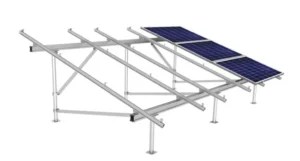
While solar panels remain unaffected as they come with a built-in raincoat and are completely waterproof, it’s the mounting structures where you should focus your attention regarding potential rust-related concerns.

For optimal protection against rust, it’s essential to choose mounting structures that are coated and galvanized with zinc. Our mounting structures, for instance, have passed certain quality accreditions. With such robust structures, you can rest assured that rust won’t be an issue to worry about when it comes to our solar panel installations.

Monsoons may reduce power generation speed, but they do not bring it to a complete halt.

Considering the current situation, you may be contemplating delaying the installation until the rainy season is over. However, it’s worth reconsidering this decision. Solar component prices are not known for their patience; they have a tendency to rise over time. The earlier you take action, the greater your savings will be – both on the equipment itself and on your energy bills! Acting promptly could lead to significant cost savings and long-term benefits.

You have the opportunity to practically test the mounts’ strength against monsoon winds.

Rather than considering a delay in installation to avoid monsoon winds, it would be more effective to prioritize the installation of robust mounting structures. This approach ensures that your structure can withstand the high winds during the next rainy season, providing greater stability and protection.

The natural cleaning of solar panels is significantly influenced by rainfall.

Rainfall provides a natural solution for combating a substantial amount of dirt accumulation. This ensures that your panels stay clean, especially during seasons when manual cleaning might pose challenges.

Harnessing the Sun: The Marvels of Passive Solar Homes

Harnessing the Sun: The Marvels of Passive Solar Homes

In a world striving to minimize its carbon footprint and embrace sustainable living, the concept of passive solar homes has gained significant attention. These architectural wonders seamlessly blend innovative design principles with the inherent power of the sun to create energy-efficient, comfortable, and eco-friendly living spaces. Imagine a home that not only provides shelter but also harnesses the sun’s energy to regulate temperature, reduce energy consumption, and contribute to a greener planet. Welcome to the realm of passive solar homes.

Understanding Passive Solar Design

At its core, passive solar design leverages the sun’s energy for heating and cooling purposes without relying on mechanical or electrical systems. By skillfully integrating architectural elements, building materials, and natural processes, these homes can maintain a comfortable indoor environment throughout the year.

The Elements of Passive Solar Homes

Orientation

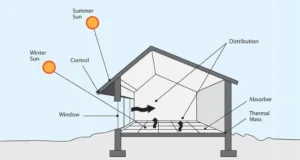
The orientation of a passive solar home is crucial. Typically, the longer sides of the house face south and north, with the main living areas on the southern side. This strategic orientation maximizes the exposure to the sun’s path and facilitates efficient energy capture.

Glazing

Large windows and glazing on the southern side allow sunlight to enter the home. These windows act as ‘solar collectors,’ trapping heat and creating a greenhouse effect. Adequate insulation and thermal mass help store and distribute this heat throughout the day.

Thermal Mass

Thermal mass refers to materials that can absorb, store, and release heat slowly. Common thermal mass materials include concrete, brick, stone, and tile. They help regulate indoor temperature by absorbing excess heat during the day and releasing it at night when the temperature drops.

Overhangs and Shading

While maximizing solar gain is important, avoiding overheating during the summer is equally crucial. Overhangs, pergolas, or shading devices are strategically placed to block direct sunlight during the hottest months, preventing excessive heat buildup.

Natural Ventilation

Passive solar homes often feature a well-thought-out ventilation system. This allows for the controlled movement of air, aiding in heat distribution, and maintaining indoor air quality.

Benefits of Passive Solar Homes

Energy Efficiency

The reduced need for mechanical heating and cooling systems translates to lower energy consumption. This not only leads to financial savings but also lessens the demand for fossil fuels, thereby reducing greenhouse gas emissions.

Comfort

Passive solar homes provide consistent and comfortable indoor temperatures year-round. Say goodbye to drafts and temperature fluctuations common in traditional homes.

Sustainability

Embracing passive solar principles contributes to a sustainable lifestyle. By reducing reliance on non-renewable energy sources, these homes play a significant role in environmental conservation.

Financial Savings

Although the initial investment might be higher due to specialized design and materials, passive solar homes offer substantial long-term savings through reduced utility bills and maintenance costs.

Resilience

Passive solar homes are often well-insulated and designed to withstand various weather conditions, making them more resilient to extreme temperatures and power outages.

The Future of Passive Solar Design

As the world faces the challenges of climate change and dwindling natural resources, passive solar design offers a glimpse into a more sustainable future. Architects and builders are continually refining passive solar techniques, integrating modern technology, such as smart home systems and advanced glazing materials, to further enhance the efficiency and comfort of these homes.

In a world where innovation and environmental responsibility go hand in hand, passive solar homes stand as a shining example of how architecture can be harnessed to create harmonious living spaces that respect and harness the power of the sun. By embracing passive solar principles, we move closer to a future where homes not only provide shelter but also contribute to the healing and preservation of our planet.