Why is Understanding Solar Module Degradation Rate Crucial

Why is Understanding Solar Module Degradation Rate Crucial?

In the rapidly evolving landscape of renewable energy , solar power stands out as a beacon of sustainable and clean electricity generation. As solar panel manufacturers strive to innovate and improve the efficiency of solar modules, one critical aspect often comes under scrutiny: the degradation rate of solar modules. This blog delves into the significance of the degradation rate in solar modules, exploring its impact on the longevity, efficiency, and overall value of solar energy systems.

Understanding Solar Module Degradation
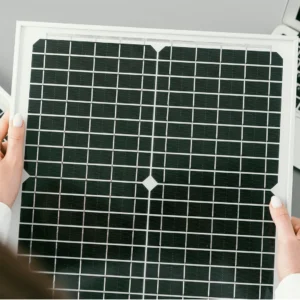
The degradation rate serves as an indicator of how solar panel efficiency diminishes over time. Solar panels inevitably experience a reduction in their energy production capabilities, affected by elements like weather conditions, exposure to ultraviolet rays, and temperature changes.

Typically represented as an annual percentage, the degradation rate for the majority of solar panels ranges from 0.5% to 1%. Consequently, a solar panel with a degradation rate of 1% per year would see a decline of about 20% in its original output capacity over 25 years.

What are the causes of solar panel degradation?

The deterioration of solar panels is not the result of a singular event, but rather a combination of multiple degradation mechanisms impacting photovoltaic (PV) modules, with aging being the primary factor. Other significant contributors to the degradation of solar panels encompass aging, Light-Induced Degradation (LID), Potential-Induced Degradation (PID), and failures of the back-sheet. These factors will be examined in greater detail.

1. Age-related degradation:
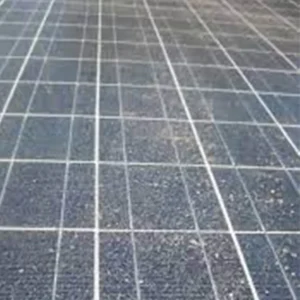
Aging stands as the principal factor in the degradation of photovoltaic (PV) modules over their operational lifespan. This process is inherently linked to the prolonged exposure of modules to environmental stressors such as rain, snow, extreme heat, cold, hail, and dust.

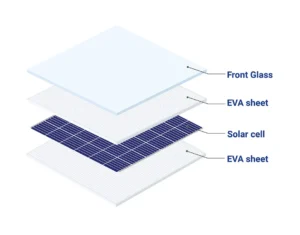
As PV modules face these external conditions, they gradually deteriorate, leading to a decline in their efficiency. This deterioration manifests through the corrosion of solar panel frames, delamination of glass and back-sheets, and the degradation of PV materials’ properties, collectively contributing to the average annual degradation rate of 0.5% for PV modules.

2. Light-Induced Degradation (LID):
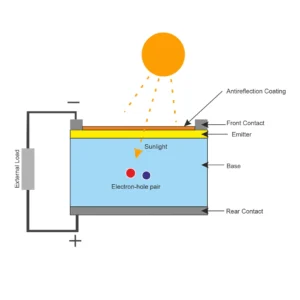
Light-induced degradation (LID) significantly accelerates the wear and tear of solar panels, predominantly within the first year of their use. This acceleration is due to sunlight hastening the oxidation reaction between boron, which is used in doping PV materials, and oxygen.

This type of degradation arises during the manufacturing process, specifically when oxygen interacts with molten silicon in the Czochralski process, a method employed for producing mono-crystalline silicon (mono c-Si). In this context, boron—utilized for doping solar cells—merges with oxygen, creating traps for electron-hole pairs and thereby affecting electricity generation.

LID particularly impacts solar panels crafted from mono-crystalline silicon, with those built using p-type wafers experiencing more severe effects. Additionally, the LID phenomenon has a more pronounced impact on the Passivated Emitter and Rear Cell (PERC) modules.

3. Potential-Induced Degradation:
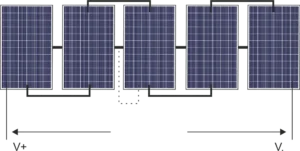
Potential-induced degradation (PID) is a distinct mechanism that compromises the efficiency of photovoltaic (PV) modules. Contrary to Light-Induced Degradation (LID), PID indiscriminately impacts various types of PV modules, including mono-crystalline silicon (mono c-Si), polycrystalline silicon (poly c-Si), and thin-film modules.

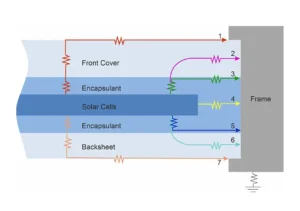
The understanding of PID remains partial, necessitating more in-depth research. It is, however, acknowledged that PID can cause significant power losses in PV systems that are not grounded, especially those operating at voltages exceeding 1,500V. Such conditions are typical in large utility-scale and commercial PV installations.

4. Backsheet Failures:
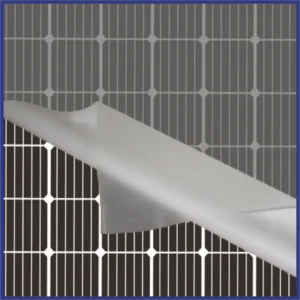
Back-sheet failure represents a significant source of degradation, often leading to premature wear of photovoltaic (PV) modules. It is estimated that between 9% and 16% of PV modules experience backsheet failure, highlighting a critical area of concern. The back sheet serves as the primary protective barrier for a PV module, safeguarding its inner components against external elements such as moisture, wind, dust, and ultraviolet (UV) radiation.

The primary factors contributing to solar panel degradation through back-sheet failure include the delamination of the backsheet material or the development of cracks within it. Once the backsheet is compromised, the PV module’s internal components become vulnerable to the environment, significantly diminishing the module’s operational lifespan.

Factors that influence Solar Panel Degradation
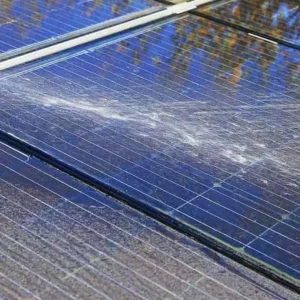
The rate at which solar panels degrade can be influenced by various factors, including:

Type of Panel: Different solar panels degrade at different rates. For instance, monocrystalline silicon panels generally experience a slower degradation rate compared to polycrystalline or thin-film panels.

Materials Quality: The degradation rate of solar panels is also determined by the quality of materials used in their construction. Panels made from higher-quality materials tend to be more resilient against weathering and UV exposure, thus preserving their efficiency for a longer duration.

Design of the Panel: The specific design of a solar panel can affect its susceptibility to degradation. Designs that include features to reduce the impact of temperature changes, like efficient heat dissipation systems or temperature-resistant glass, can decrease the degradation rate.

Installation and Upkeep: How solar panels are installed and maintained plays a crucial role in slowing down their degradation. Regular maintenance, such as keeping the panels clean and properly positioned, is essential for optimizing their performance over time.

The Role of Solar Panel Manufacturers

Solar panel manufacturers are at the forefront of tackling the challenge of degradation. Through advances in solar PV module manufacturing, companies are constantly seeking ways to enhance the durability and longevity of solar modules. Innovations in materials, protective coatings, and module design all contribute to reducing the degradation rate, thereby extending the lifespan of solar panels. This relentless pursuit of excellence ensures that solar product manufacturers in India and around the globe can offer more reliable and efficient solutions to meet the growing demand for renewable energy.

The Environmental Significance

Beyond economic considerations, the degradation rate of solar modules has profound environmental implications. Solar panels with lower degradation rates contribute to a reduction in waste and a decrease in the need for frequent replacements. This not only conserves resources but also aligns with the principles of sustainability by minimizing the environmental footprint of solar energy systems. As such, advancements in reducing degradation rates are closely tied to the broader goals of environmental protection and sustainable development.

Best Practices for Minimizing Degradation

To maximize the lifespan and efficiency of solar modules, several best practices can be adopted by both manufacturers and consumers. These include selecting high-quality materials, ensuring proper installation to minimize mechanical stress, and regular maintenance to prevent damage from environmental factors. Moreover, choosing solar panels from reputable manufacturers who emphasize durability and performance can make a significant difference in mitigating degradation over time.

Wrapping Up

In conclusion, the degradation rate of solar modules is a paramount factor that influences the efficiency, longevity, and overall value of solar energy systems. As solar panel manufacturers and solar product manufacturers in India continue to innovate, the focus on reducing degradation rates not only enhances the economic appeal of solar energy but also supports the global shift towards sustainable and renewable energy sources. By prioritizing the development of durable and efficient solar modules, the solar industry is poised to play a pivotal role in addressing the world’s energy challenges.

For those interested in exploring the latest advancements in solar technology and the efforts of leading solar manufacturers in reducing degradation rates, visit PIXON offering valuable insights and information on state-of-the-art solar solutions.

Through collective efforts in research, innovation, and adherence to best practices, the future of solar energy looks bright, promising a world where renewable energy not only powers our homes and businesses but also drives us toward a more sustainable and environmentally conscious society.

The importance of understanding and addressing the degradation rate in solar modules cannot be overstated. It is a key factor that solar panel manufacturers, investors, and consumers must consider to fully harness the potential of solar energy. As we continue to innovate and improve the durability and efficiency of solar modules, we move closer to realizing the full promise of renewable energy, making a lasting impact on our planet and future generations.

With the relentless pursuit of reducing degradation rates, the solar industry is not just creating more efficient and durable products but is also contributing significantly to the global renewable energy landscape. This commitment to excellence and sustainability is what will drive the continued growth and success of solar energy, making it an indispensable part of our renewable energy mix.

The Critical Role of Solar Module Mounting Structures

The Critical Role of Solar Module Mounting Structures

In an era where sustainability and clean energy are paramount, solar energy emerges as a key player in the global shift towards renewable energy sources. At the heart of this transition are solar photovoltaic (PV) systems, which convert sunlight into electricity, offering a green alternative to fossil fuels. However, the efficiency and effectiveness of these solar systems hinge not just on the solar panels themselves but also on an often overlooked component: the solar module mounting structures. This blog delves into the significance of these structures, exploring their role, variety, and the considerations involved in their installation. For enthusiasts and professionals alike, PIXON Green Energy Private Limited stands as a beacon of innovation and quality in the solar industry, providing insights and solutions that propel the solar sector forward.
Importance of Mounting Structures

Harnessing Sunlight Optimally

The quest for maximum energy production from solar panels leads us to the first pivotal role of solar module mounting structures: ensuring optimal sunlight exposure. The angle and orientation of solar panels are crucial parameters that dictate their sunlight absorption capacity. These structures are engineered to position the panels in such a way that they capture the maximum sunlight throughout the day, adjusting for seasonal variations in the sun’s path. This alignment is not a trivial task; it requires precise calculation and understanding of solar geometry, ensuring that panels operate at their peak efficiency.

Built to Last: Durability and Stability

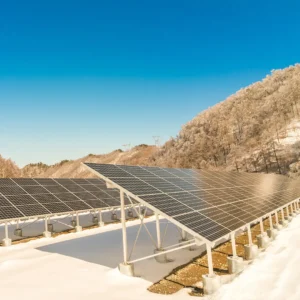
The longevity of a solar PV system is a testament to the quality of its components, especially the mounting structures. These structures are designed to withstand the rigors of harsh weather conditions—be it the gusty winds, the weight of snow, or the relentless rain. The choice of materials, from galvanized steel to aluminum, reflects a commitment to durability and resistance to corrosion. This robust construction not only guarantees the safety of the solar panels but also secures the investment made in solar technology.

The Shadow Battle: Preventing Shading

A shadow over a single panel can disproportionately reduce the output of an entire solar array. Solar module mounting structures are strategically designed to minimize shading from nearby trees, buildings, or even other panels. This consideration is critical, as the efficiency losses from shading can significantly impact the overall performance of the solar PV system. The thoughtful design of these structures ensures that panels are spaced and oriented to avoid shading, maximizing the system’s energy generation potential.

Flexibility Across Installations

Solar energy’s versatility is magnified by the adaptability of solar module mounting structures to various installation scenarios. From the sprawling fields for ground-mounted systems to the urban rooftops, and even over water bodies for floating solar systems, these structures can be customized to fit diverse environments and requirements. This adaptability not only broadens the applicability of solar energy but also maximizes the use of available spaces, making solar installations feasible in areas previously considered unsuitable.

Exploring the Types of Solar Module Mounting Structures

Elevating Efficiency: Rooftop and Ground-Mounted Systems

Rooftop systems, prevalent in urban settings, make efficient use of otherwise unused spaces. These systems range from non-penetrative designs, which rely on weights to anchor the structure, to penetrative systems that secure directly to the roofing material.

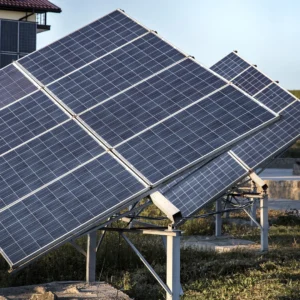
Ground-mounted systems, on the other hand, are favored for their scalability and the ease with which they can be optimized for sun tracking, significantly enhancing their energy capture over fixed systems.

Innovative Approaches: Floating and Carport Solar Structures

Floating solar structures represent a creative use of water bodies, addressing space constraints while reducing water evaporation.

Carport structures turn parking spaces into power-generating areas, offering shade for vehicles while harnessing solar energy. These innovative applications underscore the versatility and potential for solar energy systems to integrate into various aspects of our infrastructure.

Pole Mounts: Top-of-the-pole & Side-of-the-pole

Pole mounts serve as the foundation for fixing solar panels onto, indeed, poles. These mounts are categorized into two main types: top-of-the-pole and side-of-the-pole. The top-of-the-pole variety positions the solar panel atop a pole, raised several feet above the ground, while the side-of-the-pole option attaches the solar panels to the sides of poles. Structures known as top-of-pole mounted racks involve securing mounting poles into the earth and stabilizing them with concrete, upon which the solar module is then placed at the pole’s summit. Conversely, side-of-pole mounted racks are typically utilized for solar systems that contain a limited number of modules.

Role of Tracking System Mounted Racks

Racks mounted with tracking systems are versatile, supporting various solar tracking and solar water pumping systems to optimize sunlight absorption for electricity generation. These mounted structures are available in two configurations: one-axis and two-axis, catering to different types of tracking systems.

Installation Insights: Engineering, Materials, and Foundations

The installation of solar module mounting structures is a meticulous process that demands careful consideration of various factors. The engineering and design phase is critical, ensuring that the structure can support the load of the panels and withstand environmental pressures. Material selection focuses on durability and environmental resistance, with galvanized steel and aluminum being materials of choice for their longevity and strength. Finally, the foundation and anchoring method must be chosen based on the installation type, ensuring stability and resilience over the system’s lifespan.

Towards a Sustainable Future: The Evolving Landscape of Solar Energy

As the solar industry continues to evolve, so too do the technologies and strategies surrounding solar module mounting structures. These components are more than just a support system for solar panels; they are integral to the optimization, durability, and overall success of solar PV installations. Their design and innovation play a crucial role in maximizing the efficiency and applicability of solar energy, paving the way for a cleaner, more sustainable future.

Wrapping Up:

In conclusion, the significance of solar module mounting structures in the realm of renewable energy cannot be overstated. They are the backbone of solar PV systems, ensuring that solar panels remain secure, optimally positioned, and free from shading. As we venture further into the age of sustainability, the innovation and development in the design of these structures will continue to be a focal point, enhancing the efficiency and feasibility of solar energy installations worldwide. For those looking to explore the latest in solar technology and solutions, PIXON Green Energy Private Limited remains a valuable resource, leading the charge towards a greener, more sustainable energy landscape.

This exploration of solar module mounting structures highlights not just their technical importance but also their role in the broader context of renewable energy adoption. As we embrace solar energy’s potential, the insights and advancements provided by leaders in the field, are invaluable. They not only offer practical solutions but also inspire further innovation in the quest for a sustainable and clean energy future.

Exploring Half-Cut Solar Modules: A Comprehensive Overview

Exploring Half-Cut Solar Modules: A Comprehensive Overview

In the ever-evolving landscape of solar technology, half-cut solar modules stand out as a beacon of innovation, promising to propel the industry into new heights of efficiency and productivity. But what exactly are these pioneering devices, and why are they causing such a buzz among solar panel manufacturers ? This blog will shed light on the intricate workings, benefits, and potential drawbacks of mono half-cut and mono PERC half-cut panels, offering a thorough exploration of why they might just be the future of solar energy. By the end, you’ll not only be well-versed in the intricacies of these solar PV modules but also be able to gauge their impact on the broader quest for sustainable energy solutions.

What is Half cut solar cell?

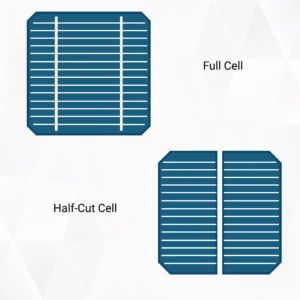
Half-cut solar cells are designed as rectangular silicon units, each possessing roughly half the surface area of conventional square solar cells. These are then interconnected to form a solar module. The primary benefit of adopting half-cut solar cells lies in their reduced energy dissipation due to resistance and heat, enabling an overall enhancement in the solar panel’s efficiency.

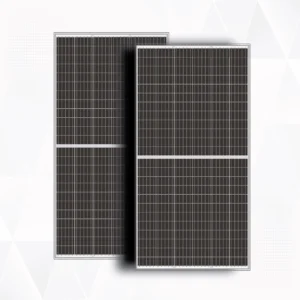
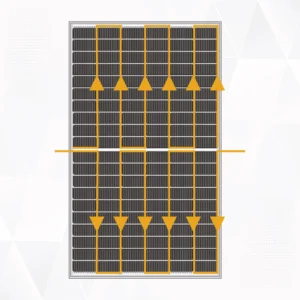
Furthermore, half-cut cells offer a unique wiring configuration, dividing the solar panel into two distinct sections. This setup ensures that one section can continue operating at optimum efficiency, even if the other section becomes obscured by shade.

How do half-cut solar cells work?

Half-cut solar cell technology enhances the energy output of solar panels by reducing the size of the cells, which allows for a greater number of cells to be incorporated into a single panel. This innovative approach involves splitting the panel into two separate sections, enabling the upper and lower halves to operate independently. As a result, energy production is sustained even if one section is under shade. Let’s delve deeper into the specifics.

Conventional monocrystalline solar panels are generally equipped with 60 to 72 solar cells. By slicing these cells in half, the count effectively doubles, leading to panels featuring 120 to 144 half-cut cells. These enhanced panels are also integrated with PERC technology, further boosting their efficiency. The halving process, executed with precision using a laser, reduces the current flowing through each cell, thereby minimizing resistive losses associated with energy transfer. This results in a notable performance uptick. With cells halved and consequently smaller, a higher cell count is achieved on the panel compared to standard configurations. This division into two halves enables the top and bottom sections to function as independent entities, ensuring continued electricity generation even when one half experiences shading.

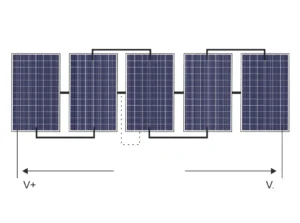
A critical aspect of the half-cut cell architecture is its unique approach to “series wiring,” or the manner in which solar cells are interconnected and how power is directed through a bypass diode within the panel. In traditional panels, shading or malfunctioning of a single cell can halt power production across the entire row of cells connected in series.

Half-Cut Solar Panel Vs Full Cell:

Traditional panels typically outfitted with either 60 or 72 cells, are redesigned in half-cell modules to include double the number – 120 or 144 cells – while maintaining the original panel size. This doubling in cell count doesn’t change the panel’s physical dimensions but significantly enhances its capacity to harness and convey solar energy to the inverter.

The essence of half-cell technology lies in bisecting cells to diminish resistance and elevate efficiency. Whereas conventional panels with 60 or 72 cells encounter resistance that curtails their power generation capacity, half-cell panels, boasting 120 or 144 cells, face lower resistance. This reduction means that they can capture and convert more solar energy. Additionally, the distribution of smaller cells across each half-cell panel reduces the mechanical stress on the panel, minimizing the risk of microfractures. Moreover, panels employing half-cell technology not only exhibit superior power output ratings but also tend to be more reliable than their full-cell counterparts.

What makes half-cut solar cells more efficient?

The half-cut solar cell represents an evolved form of the traditional solar cell, integrating advanced technologies to enhance the efficiency and longevity of solar panels.

To augment the performance and durability of half-cut solar cells, several innovative approaches are employed, including:

  • A greater number of busbars
  • A divided junction box configuration
  • Cell passivation techniques

Increased Number of Busbars:

Busbars are slender metallic strips placed on the front and back of the solar panel, crucial for connecting the solar cell and facilitating the flow of DC electricity. While older solar panels typically featured two busbars, modern advancements have led to the adoption of five or nine busbars to boost energy efficiency significantly. The advantages of this increase include:

  • Reduced distance for electron travel to the ribbons, enhancing current flow.
  • Lowered internal resistance due to the shorter distance, thereby elevating the efficiency and durability of the cell.

Split Junction Box:

The split or dual junction box design is a notable innovation in half-cut solar cells. Traditionally encompassing a single unit, the junction box connects the solar panel to the broader system through a bypass diode. In contrast, split cell technology, through its utilization of a split junction box divided into three sections, each with its own bypass diode and internal string, optimizes voltage by minimizing solar cell size.

Cell Passivation Technology:

Another critical advancement is “passivation technology,” which involves the application of a special dielectric layer on the rear side of the cell, above the aluminum metallization layer. This layer, known as PERC (Passivated Emitter Rear Cell), plays a pivotal role in capturing reflected solar radiation and generating energy even under low-light conditions. Additionally, it minimizes atom recombination, contributing to lower cell temperatures and improved efficiency.

Differences in advantages and disadvantages between half-cut and traditional solar cells:

Feature Half-Cut Solar Cells Traditional Solar Cells
Power Production and Performance Enhanced due to unique wiring, tolerant to shadows, offering high performance even in partial shade. Reduced performance in shaded conditions due to standard wiring arrangements.
Wattage and Efficiency Higher wattage, resulting in more electricity generation per square foot. Typically lower wattage (around 250 watts), less efficient per square foot.
Hot Spots Reduced severity of hot spots due to more cells distributing excess heat. More susceptible to damage from hot spots due to fewer cells.
Internal Resistance and Power Loss Lower internal resistance, minimizing power loss due to the halved current of each cell. Higher internal resistance, leading to more significant power loss.
Cost Higher initial costs due to additional soldering and laser cutting processes. Lower initial costs with standard manufacturing processes.
Manufacturing Complexity and Defects Increased complexity, requiring more equipment and potentially leading to more cell defects. Simpler manufacturing process with a lower chance of defects due to fewer soldered connections.

Is Investing in Half-Cut Solar Panels a Smart Choice?

Half-cut cells significantly enhance the power output of solar panels, yet their complex production process presents challenges for solar module manufacturers. Adapting existing production lines to accommodate half-cell solar modules is not straightforward, requiring more than just integrating half-cut cells.

Conventional solar panels remain effective in various scenarios, especially in locations where sunlight is abundant throughout the day. However, for those aiming to maximize energy generation, such as individuals in remote areas or those looking to optimize net metering advantages, half-cut cells are an ideal choice. They are particularly beneficial when space is limited but the need for solar energy is high. As manufacturing processes for half-cut cells become more efficient and easier to integrate, it’s likely that their cost will decrease, making them a more prevalent option. PIXON as a solar module manufacturer can provide valuable advice on whether half-cut cells are a suitable solution for your solar energy needs.


Understanding Potential Induced Degradation (PID) in Solar Modules

Understanding Potential Induced Degradation (PID) in Solar Modules

The transition towards renewable energy sources has placed solar technology at the forefront of global energy solutions. Among the challenges facing this technology, Potential Induced Degradation (PID) emerges as a critical concern, threatening the efficiency and longevity of solar modules. This phenomenon leads to significant power output losses, impacting the economic viability and performance reliability of solar power systems. This blog delves into the science behind PID, its causative factors, implications for solar modules, and the strategies for its mitigation, aiming to equip stakeholders with the knowledge to address this pervasive issue.

What is PID?

Potential Induced Degradation, or PID, is a detrimental process that affects the performance of photovoltaic (PV) solar modules. It is characterized by the unwanted migration of charged ions within the solar cell, which disrupts the internal electrical fields and degrades the cell’s ability to generate electricity. PID is primarily observed in high-voltage solar installations and can lead to a significant reduction in a module’s power output.

The mechanics of PID involve the accumulation of negative charges on the surface of the solar cell, which attract positive ions (such as sodium) from the glass or the encapsulant material towards the cell. This ion migration alters the electronic properties of the semiconductor material, diminishing its photovoltaic efficiency.

The significance of understanding and addressing PID lies in its direct impact on the economic and functional viability of solar energy projects. Solar modules affected by PID can exhibit a significant decrease in power output, sometimes within a few years of operation, thereby undermining the return on investment (ROI) and increasing the payback period for solar installations.

Significant Causes of PID

Several factors contribute to the onset and severity of PID in solar modules:

High System Voltages: Elevated voltage levels between the solar modules and the grounded parts of a PV system facilitate the leakage currents responsible for PID.

Material Selection: The type of materials used in the construction of solar modules, particularly the encapsulant layers (e.g., EVA films), can influence the rate and severity of PID.

Environmental Conditions: Humidity and temperature play critical roles in accelerating PID. Moisture ingress can exacerbate the leakage currents, while temperature variations can affect the module’s electrical properties.

System Design and Installation: The overall design of the solar PV system, including aspects like grounding and electrical configuration, can either mitigate or exacerbate the risk of PID.

The Impact of PID in Solar Modules

The impact of PID on solar modules manifests through several symptoms:

Reduced Power Output: The primary consequence of PID is a decline in the module’s power generation capacity.

Lower Efficiency: PID leads to a decrease in the overall efficiency of the solar panel, making it less effective at converting sunlight into electrical energy.

Inconsistent Module Performance: Within a solar array, modules may be affected by PID to varying degrees, leading to uneven performance across the installation.

Strategies to Mitigate PID

Mitigation and prevention of PID involve multiple strategies, focusing on design, material selection, and operational practices:

Technological Innovations: Advancements in solar module design, such as the integration of PID-resistant materials and the use of alternative cell technologies, have shown promise in reducing PID susceptibility.

Protective Measures: Electrical system configurations, including the use of grounding and bipolar arrangements, can mitigate the electrical stresses that contribute to PID.

Quality Control in Manufacturing: Ensuring high standards in the manufacturing process, including the selection of low-PID-risk materials, is critical. For instance, solar module manufacturers in India are increasingly focusing on quality control to minimize PID risks.

Factors Influencing PID Susceptibility

The susceptibility of solar PV systems to PID is not uniform and can be influenced by several key factors:

Electrical Design and Configuration: Systems designed with higher voltage levels are generally more prone to PID.

Quality of Solar Modules: The manufacturing quality and the specific materials used in solar modules can significantly affect their vulnerability to PID.

Climatic Conditions: Regions with higher humidity levels and greater temperature fluctuations are more likely to see solar installations affected by PID.

Installation Practices: The orientation, angling, and even the proximity of solar panels to each other can influence the development and severity of PID.

Wrapping Up

In summary, Potential Induced Degradation presents a formidable challenge to the efficiency and reliability of solar PV modules, with implications for the broader adoption of solar energy. Understanding the causes and effects of PID, alongside implementing effective mitigation strategies, is crucial for manufacturers, installers, and users alike. By prioritizing the selection of PID-resistant materials, adopting innovative system design practices, and leveraging technological advances, the solar industry can enhance the durability and performance of solar modules, thereby securing the future of renewable energy. Stakeholders are encouraged to engage with leading solar module manufacturing companies , such as Pixon, for insights and solutions that address the challenges posed by PID, ensuring the long-term success and sustainability of solar energy projects.

The comprehensive approach to understanding and mitigating PID underscores the importance of continued research, development, and collaboration within the solar energy sector. As the industry advances, the collective efforts of manufacturers, researchers, and practitioners will be pivotal in overcoming the challenges of PID and harnessing the full potential of solar power for a sustainable energy future.

Solving India’s Power Crisis

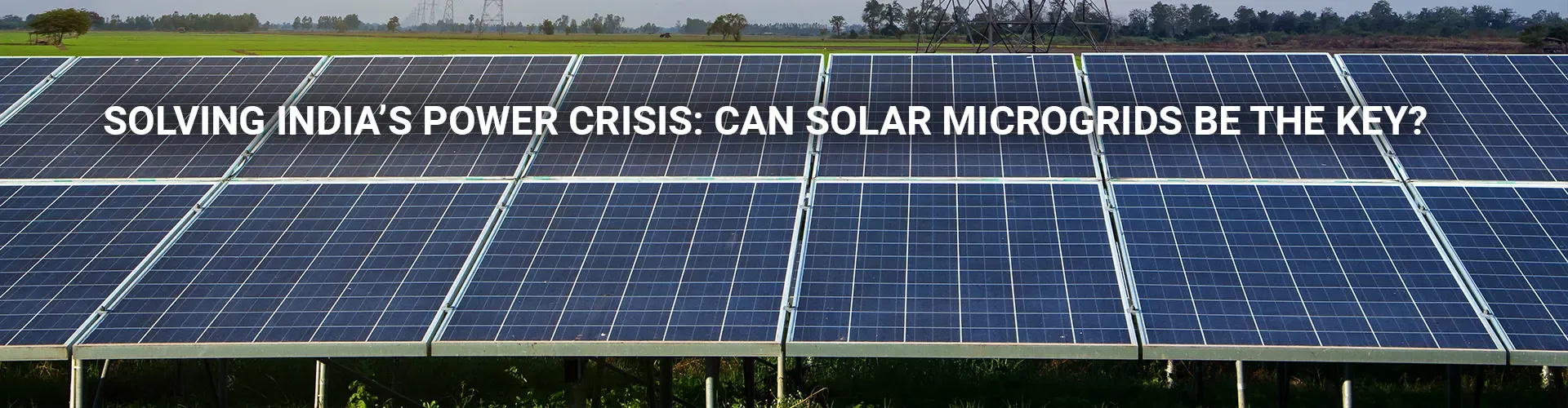
Solving India’s Power Crisis: Can Solar Microgrids Be the Key?

India’s electrification journey is a tale of ambitious strides and formidable challenges. Despite achieving near-universal access to electricity, the country faces acute issues like power outages, heavy reliance on fossil fuels, and an escalating demand for energy driven by rapid urbanization and economic growth. The quest for sustainable and reliable power solutions brings us to the doorstep of an innovative approach: solar microgrids. This concept not only offers a promising solution to India’s electricity woes but also aligns with the global movement towards renewable energy. The pivotal role of solar panel manufacturers, solar PV module manufacturers in India , and a plethora of solar manufacturing companies underscores the burgeoning potential of solar microgrids in transforming the Indian power scenario.

What Are Solar Microgrids?

At the heart of this discussion lies the solar microgrid, a compact, localized grid system powered predominantly by solar energy . Microgrids represent a form of decentralized energy networks, utilizing distributed energy sources, whether derived from fossil fuels or renewable resources. Notably, a significant proportion of microgrids globally operate on solar energy. These systems are generally not large in scale, typically varying from kW to several MW, catering to limited geographic regions.

One of the standout features of microgrids is their ability to function both in conjunction with and independently from the main power grid. By integrating energy storage solutions, microgrids can achieve complete autonomy. This is made possible through the use of off-grid or hybrid solar inverters within the Solar Microgrid framework.

Why Do We Need Microgrids?

Round-the-Clock Energy Availability: Microgrids ensure the provision of continuous power, even when disruptions such as adverse weather conditions, human mistakes, or unexpected events cause the main grid to fail. These systems prove particularly indispensable during natural disasters, offering a reliable electricity source that can be crucial for rescue and recovery efforts.

Encouraging the Shift to Renewable Resources: The reliability of traditional electricity is diminishing, prompting a global shift towards renewable sources like solar energy. However, solar power is limited in its availability only during daylight hours. Achieving round-the-clock energy provision currently requires storage capacities in the gigawatt range, which is not yet viable.

Nonetheless, storage solutions for smaller-scale operations do exist, making microgrids a practical stepping stone towards adopting renewable energy (RE) sources more broadly.

Universal Accessibility: Microgrids offer a viable energy solution in isolated areas where the main grid infrastructure is absent, providing a steady supply of electricity. Additionally, in urban settings, businesses are increasingly turning to microgrids to sustain their activities, highlighting the versatility and accessibility of these localized energy systems.

How Do They Work?

The operation of a solar microgrid begins with solar panels capturing sunlight and converting it into electricity. This direct current (DC) is then transformed into alternating current (AC) through an inverter, making it suitable for everyday use. Excess energy can either be stored in batteries for later use or fed back into the main grid, optimizing the utility of generated solar power. The decentralized nature of microgrids allows communities to have greater control over their energy supply, fostering resilience, efficiency, and sustainability.

Microgrids in India

The journey of microgrids in India commenced in the 1990s, with the West Bengal Renewable Energy Development Agency (WBREDA) leading the way by installing a 25KWp solar PV system in the Sundarban delta region. This initiative was followed by the Chhattisgarh Renewable Energy Development Agency (CREDA), which set up a solar plant in the Bilaspur district. According to the 2001 census, an estimated 25,000 remote villages were identified as being too isolated, thus necessitating off-grid electrification solutions. Following this realization, numerous micro-grid projects were executed across India, supported by Government-led initiatives like the Remote Village Electrification Programme (RVEP), Village Energy Security Programme (VESP), and the Decentralized Distributed Generation (DDG) scheme. These projects spanned several states, including Bihar, Chhattisgarh, Sikkim, Madhya Pradesh, Odisha, Uttar Pradesh, Uttarakhand, Karnataka, and West Bengal.

In addition to governmental efforts, a growing number of private entities have also ventured into the development and management of microgrids within the country. The push towards decentralized energy systems finds relevance in both urban and rural contexts, especially as electricity prices surge and the stability of grid power declines. The coal shortage experienced last year underscored the urgency for alternative energy solutions. Microgrids, thus, emerge as practical alternatives, enhancing grid power in urban settings and expanding energy access in rural locales. Furthermore, various Indian states have adopted unique policies to further the development of the microgrid network, underscoring the national move towards sustainable energy solutions.

Role of Microgrids in India’s Clean Electricity

India’s electricity sector is grappling with three significant issues that need immediate resolution:

  • A considerable portion of the country lacks access to uninterrupted electricity, with numerous areas still disconnected from the grid. In such regions, distributed energy resources (DERs) serve as a viable option for ensuring a dependable electricity supply.
  • The instability of the grid poses a major problem. Over half of India’s electricity comes from coal-fired thermal power stations, leaving the grid susceptible to disturbances like the coal shortage witnessed in 2022.
  • In many parts of India, the cost of grid-supplied electricity is prohibitively high. Against this backdrop, microgrids present an effective solution, offering supplementary power to areas confronted with these challenges.

Regarding the present state of progress, solar microgrids represent a significant initial stride in creating robust and sustainable energy infrastructures. India has commendably achieved the installation of microgrid capacities amounting to several hundred megawatts of electrical energy. When it comes to off-grid power production, the cost of electricity generated by solar microgrids stands at 5 to 6 INR per kilowatt-hour, which is considerably lower compared to the 15 INR per kilowatt-hour cost tied to electricity produced using diesel generators.

Benefits of Solar Microgrids: The advantages of solar microgrids extend beyond mere electrification. They embody a holistic solution to several of India’s energy challenges, offering:

Reliable Power Supply: Solar microgrids provide a consistent and dependable electricity source, which is crucial for rural and remote areas.

Rural Electrification: They play a key role in illuminating rural India, thereby reducing the urban-rural divide.

Support for Renewable Goals: By harnessing solar energy, microgrids contribute significantly to India’s renewable energy ambitions.

Energy Security: Decreased reliance on imported fossil fuels enhances India’s energy independence.

Cost-Effectiveness: Although the initial setup cost is significant, the long-term benefits and decreasing costs of solar technology make microgrids a financially viable option.

Socio-economic Development: Access to electricity drives education, healthcare, and economic opportunities in remote areas, fostering overall community development.

Wrapping Up

The pathway to resolving India’s power crisis lies in innovative, sustainable solutions like solar microgrids. By leveraging renewable energy, these systems offer a blueprint for a reliable, efficient, and equitable power infrastructure. The involvement of solar panel manufacturers, solar PV module manufacturers, and solar manufacturing companies in India is instrumental in this journey, marking a collective move towards a greener future. PIXON leads the charge, and the vision of a fully electrified, sustainable India comes into clearer focus. The road ahead is complex, but with continued support for solar microgrids, achieving a balanced energy ecosystem that powers every corner of India is a tangible dream.

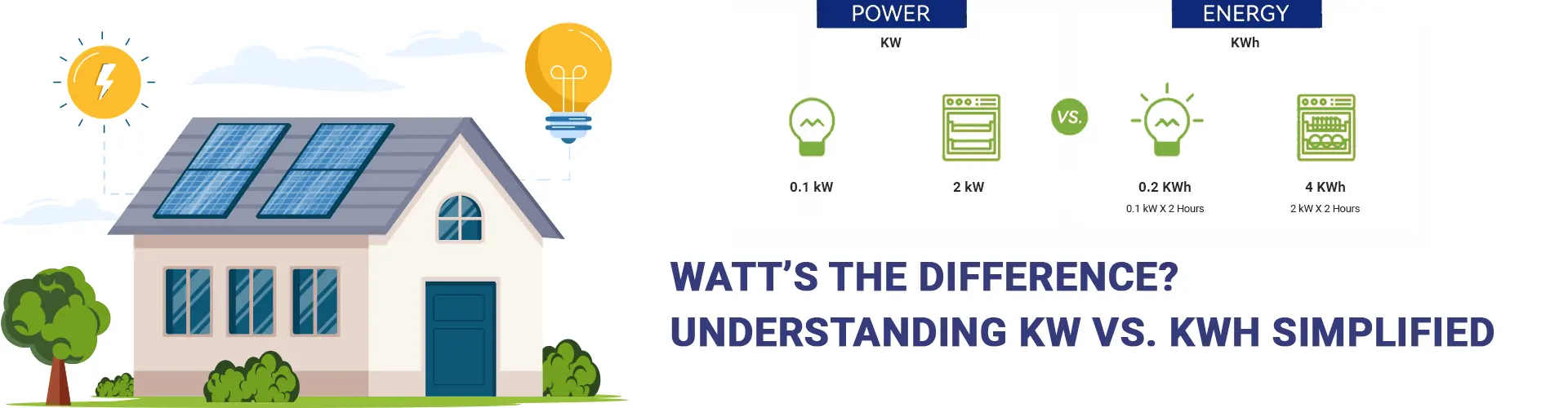
Watt’s the Difference? Understanding kW vs. kWh Simplified

Watt’s the Difference? Understanding kW vs. kWh Simplified

In the world of electricity and energy management, a solid understanding of key concepts like watts, kilowatts, and kilowatt-hours is not just beneficial — it’s essential. This knowledge is crucial not only for homeowners and businesses that want to control their energy costs but also for those interested in renewable energy solutions such as solar panels. With energy consumption at the heart of global discussions on sustainability and cost-efficiency, comprehending these units can lead to more informed decisions and better management of energy resources. In this blog, we will explore these fundamental units, explain how they relate to each other, and why they are important for everyone from consumers to solar panel manufacturers.

What is a Watt?

The watt, named after the Scottish inventor James Watt, is the basic unit of power in the International System of Units (SI). It is defined as one joule of energy transferred per second. Power, in this context, refers to the rate at which energy is used or produced. A simple way to visualize this is by thinking of a light bulb. A typical incandescent bulb, which might have a power rating of 60 watts, uses 60 joules of energy every second to provide light.

What is kilowatt?

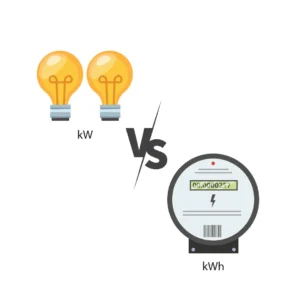
Expanding from watts, the kilowatt (kW) is a unit that represents 1,000 watts and is commonly used to denote the power capacity of larger devices and systems, such as solar panels or car engines. In contrast, the kilowatt-hour (kWh) is a unit of energy that represents the amount of energy used over time.

What is Kilowatt-Hours?

A kilowatt-hour is what utility companies use to measure and charge for energy consumption. If a device that uses 1 kW of power runs continuously for one hour, it will consume 1 kWh of energy. This unit is crucial for calculating energy consumption over periods, which is essential for understanding electricity bills and the yield of energy production systems like solar power plants.

How Do You Calculate kW and kWh?

Calculating kW and kWh is straightforward but requires understanding the relationship between power, energy, and time.

Formula and Calculation

To calculate the power in kilowatts, simply divide the power value in watts by 1,000. For energy in kilowatt-hours, multiply the power in kilowatts by the number of hours of use. For example, if you have a 500-watt air conditioner running for 3 hours, it uses:

  • Power in kW= 500watts/1000=0.5 kW
  • Energy in kWh=0.5kW×3 hours=1.5kWh

What is the Difference Between kW and kWh?

It’s common to confuse kilowatts (kW) with kilowatt-hours (kWh) when discussing energy usage. The key distinction lies in their respective measurements. Essentially, a kilowatt represents power, which is the rate at which energy is consumed or produced, whereas a kilowatt-hour measures energy itself, indicating the total amount of work done or energy used. Thus, while power reflects how quickly energy is being used, energy quantifies the total amount utilized over time.

On your energy bill, kilowatt-hours (kWh) quantify the energy that an appliance or device consumes over the course of an hour. Here’s a more detailed breakdown of the concepts:

The Kilowatt

A kilowatt represents the power usage of an electric appliance and is equivalent to 1,000 watts. To convert watts (W) to kilowatts (kW), simply divide your appliance’s wattage by 1,000:

  • 1,000 W/1,000=1 kW

The Kilowatt-Hour

A kilowatt-hour measures the energy consumption of an appliance in kilowatts over the period of one hour. For instance, using a 1,000-watt vacuum cleaner for an hour results in the consumption of 1 kWh of energy.

The kilowatt-hour consumption on your bill reflects not just the wattage of your appliances but also how frequently you use them. The kWh value on your monthly energy statement represents both the power capacity of your electric appliances and the duration of their usage.

The distinction between kWh and kW on your bill is that kW indicates the rate at which you are using electricity, whereas kWh measures the total amount of electricity consumed. To illustrate how these units interplay with various appliances:

Daily usage of high-wattage appliances can rapidly contribute to your kWh consumption. This is crucial to understand since energy companies typically charge by the kWh.

Why Is It Important to Understand Both kW and kWh?

Understanding these units is critical for effective energy management and making cost-efficient choices.

Practical Benefits

For homeowners, knowing how much power appliances use (kW) and how much energy they consume over time (kWh) can help in reducing electricity bills by selecting energy-efficient appliances and using them wisely. For businesses, especially those involved in manufacturing solar products, these units help in designing systems that meet energy needs efficiently and economically.

Impact of kW and kWh on Your Electricity Bill

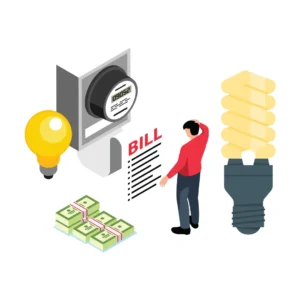
Electricity bills are primarily calculated based on the total kilowatt-hours used during a billing period. By understanding what contributes to kWh usage, consumers can take actionable steps to minimize their energy use and reduce monthly costs.

When you receive your electricity bill, the charges are typically based on the total amount of energy you’ve consumed, which is measured in kilowatt-hours (kWh). This measurement differs from kilowatts (kW), which indicate the rate of energy usage at any specific moment.

Consider two households as an example: both use the same total amount of energy per month, amounting to 500 kWh. However, the first household frequently uses high-power appliances like air conditioners and electric heaters, which causes spikes in their power demand (kW) throughout the day.

The second household spreads its energy use more evenly over time with appliances that require less power. Even though both households consume the same amount of energy overall, the first household may have higher electricity bills due to these peaks in power demand. This scenario highlights why it is crucial to understand both kW and kWh for accurate energy billing and management.

kW vs. kWh in Solar Panels

In the context of solar energy, kW and kWh take on specific importance.

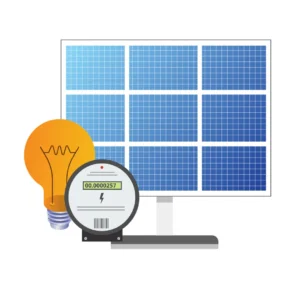
Solar Panel Power Output: A solar panel with a rating of 300 watts, or 0.3 kilowatts, is capable of producing that power level under optimal sunlight conditions.

Solar Energy Production: Over a period, such as 3 hours of peak sunlight, this panel would generate 0.9 kilowatt-hours of energy, calculated as 0.3 kW multiplied by 3 hours.

Wrapping Up

Grasping the concepts of watts, kilowatts, and kilowatt-hours is not just academic; it has practical applications that can lead to significant savings and more sustainable energy use. Whether you are a homeowner looking to cut costs, a business aiming to optimize operations, or someone interested in renewable energy , understanding these fundamental units of energy is crucial.

Understanding the Timeline: How Long Does Installing Solar Panels Take

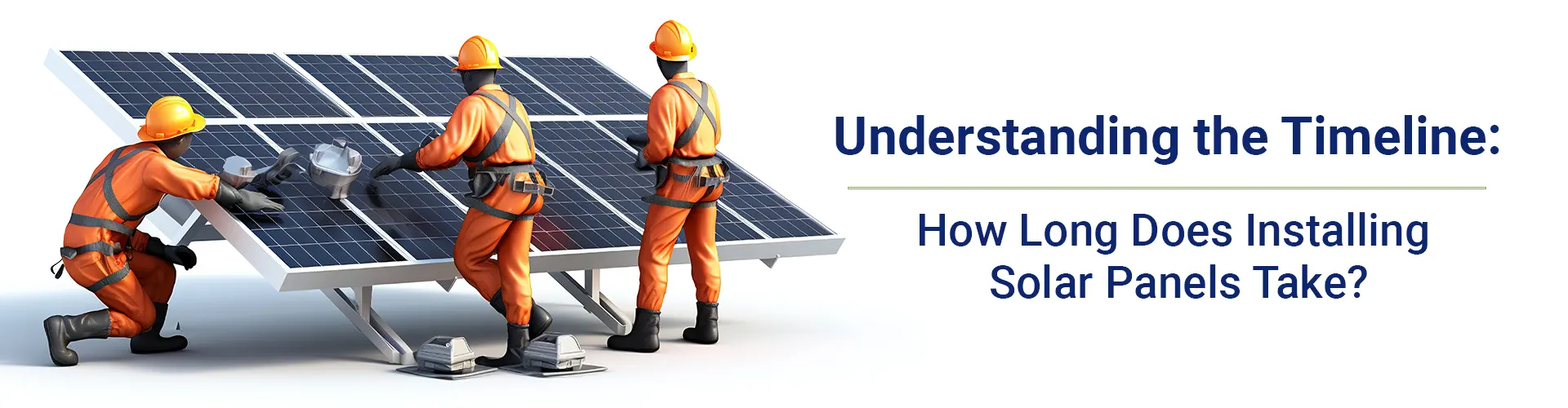
Understanding the Timeline: How Long Does Installing Solar Panels Take?

Embracing solar energy is increasingly popular worldwide as it promises reduced carbon footprints and long-term savings on electricity costs. For homeowners and businesses considering solar solutions, a common question arises: “How long does it take to install solar panels?” This blog aims to clarify the installation timeline, detailing each phase from the initial assessment to the final activation. We will delve into each stage, discussing the roles of solar panel manufacturing companies and solar product manufacturers in India , and your journey towards renewable energy adoption.

How Does the Solar Panel Installation Process Work?

The installation of solar panels is a multi-step process. Each stage is crucial and contributes to the overall timeline. Below, we break down each step, giving you a comprehensive view of what to expect when opting for solar power.

Site Evaluation and System Design (1-2 weeks)

The journey begins with a site evaluation. Technicians from a solar panel manufacturing company visit your property to identify the optimal location for the panels and assess the roof’s condition. The roof’s angle, shading, and available space are critical in designing an efficient system. Solar PV module manufacturers in India utilize sophisticated tools and software to design a system that maximizes energy output, ensuring your investment is optimized for the best returns.

Solar Permit Application (2-4 weeks)

Following design approval, obtaining the necessary permits is next. The duration of this phase can vary significantly based on local regulations and the efficiency of the permitting office. During this period, your chosen solar module manufacturer or installer manages all paperwork, ensuring that the installation complies with local, state, and national codes. Accurate and prompt paperwork here is vital to avoid any delays.

Ordering Equipment and Delivery (1-3 weeks)

With permits in hand, the next step is to order the solar modules and other necessary equipment. Selecting reputable solar products manufacturers in India can greatly influence both the system’s performance and the timeline, as quality and reliability ensure timely delivery and system efficiency.

The duration of the wait time can fluctuate based on the supplier’s geographical location and the availability of stock. It is highly recommended to collaborate with well-regarded solar module manufacturers who can ensure prompt deliveries and provide high-quality equipment

Installation (1-7 days)

The actual installation process of solar panels can be remarkably quick, often surprising new adopters. A professional team can typically install a residential solar system within a few days, though larger commercial projects might take slightly longer. This stage includes setting up the mounting system, installing the solar modules, and configuring the inverter and battery storage, if applicable.

Correct installation is crucial for both the durability and effectiveness of your system. Although it’s possible to speed up the process, prioritizing precision and safety is essential, which may sometimes necessitate extra time

Final Inspection and City Approval (1-2 weeks)

Post-installation, the system undergoes an inspection by local authorities to ensure it meets all safety and performance standards. This crucial step involves checking the electrical setup, panel mounting, and system integration into the electrical grid.

Utility Grid Interconnection (1-4 weeks)

When installing a grid-tied system, you cannot begin utilizing solar power right after the panels are in place. The system must first be integrated with the utility grid.

Once your utility company is informed about the installation, they will conduct an inspection, install a new electric meter, and authorize you to commence operation. The duration for these steps varies based on the policies and timeline of the utility company. It typically involves the installation of a net metering system, enabling you to sell excess electricity back to the grid.

Additional Factors That May Impact How Long It Takes to Go Solar

When beginning your solar journey, the installation itself isn’t the only factor that defines the timeline. Various external factors can also affect how long it takes for your household to completely switch to solar power. Being aware of and preparing for these elements can help streamline the process and establish realistic expectations. Several variables can affect the installation timeline:

Weather Conditions: Mother Nature can be unpredictable, and her whims can impede or even halt installation efforts. Adverse weather conditions like heavy rain, snow, or extreme heat can slow down the installation process. While professionals are equipped to handle mild weather disruptions, the priorities of safety and quality can sometimes require delays.

Type of Roof: Initial assessments before installation may uncover the necessity for roof repairs or replacements to accommodate the new solar infrastructure. Addressing these foundational requirements can prolong your installation timeline, particularly if extensive repairs are needed

Financing and Paperwork: Obtaining financing or taking advantage of solar incentives and tax breaks often involves bureaucratic procedures that can be lengthy. Managing the necessary paperwork, securing approvals, and ensuring all financial details are aligned can prolong the period before installation commences.

Custom System Designs: Standard solar system configurations streamline installation, but choosing a custom-designed solution tailored to unique property needs can extend the process. Custom designs often require specialized components, unique mounting methods, or other particular adaptations, all of which add to the duration of the preparation and installation phases

Being aware of these factors beforehand and preparing for potential delays can facilitate a smoother transition to solar energy .

So, What is the Expected Timeline for Solar Panel Installation?

With an understanding of the installation process and other critical factors, a key question emerges: “How long will it take to have my solar panels fully installed?”

While the answer isn’t straightforward, it can be broken down to provide a more detailed perspective.

The actual task of mounting and connecting solar panels typically takes one to three days for a standard residential system, provided conditions are optimal and the installation is routine. Surprisingly, this is one of the quicker aspects of the overall process. The entire duration from deciding to adopt solar to when your panels start capturing solar energy is considerably longer than the installation itself.

Pre-installation activities, such as site assessments, system design, and permit acquisition, can vary widely. Depending on local regulations, the efficiency of your solar provider, and the complexity of your chosen system, this phase can take anywhere from two weeks to several months.

As previously mentioned, additional factors such as, necessary roof repairs, weather interruptions, or specific requirements for a custom system could cause further delays. Although these aspects aren’t directly linked to the installation process, they play vital roles in the overall timeline.

Including post-installation steps like inspections by local authorities and the utility company can extend the timeline by a few more weeks. These inspections are crucial for ensuring that everything operates according to code and functions properly, yet they depend on external schedules.

In summary, while the actual installation of the solar panels may be quick, the complete process from initial consideration to operational use generally spans between two to six months.

This range highlights the importance of understanding all the elements involved in transitioning to solar power. With thorough research, effective cooperation with your solar provider, and some patience, you’ll soon embark on a path to clean, sustainable energy.

Final Thoughts

Adopting solar technology is not just an environmentally conscious decision but also a financially wise one, providing significant savings and benefits. Understanding the installation timeline and preparing for potential delays helps set realistic expectations and minimize frustration. The quality of solar panels and the expertise of the solar panel manufacturing company are crucial to ensuring your solar installation is successful. For more information on high-quality solar solutions, visit Pixon , a leading solar PV module manufacturer in India .

Careful planning and selecting the right partners will smooth your transition to solar energy, paving the way for a brighter, greener future.

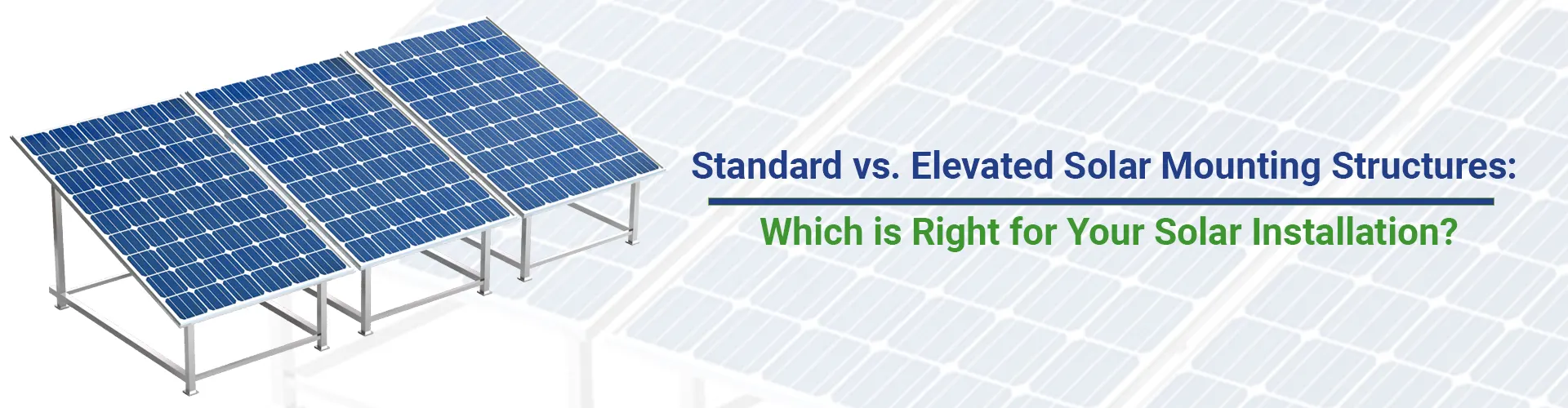
Standard vs. Elevated Solar Mounting Structures: Which is Right for Your Solar Installation?

Standard vs. Elevated Solar Mounting Structures: Which is Right for Your Solar Installation?

As the world transitions to renewable energy, solar power has emerged as a leading solution for sustainable energy generation. Solar modules, the core component of solar energy systems, require efficient mounting structures to maximize their performance and durability. Solar module manufacturers are constantly innovating to provide better solutions for various installation needs. Among the many types of solar module structures available, standard and highrise or elevated solar structures are two of the most prominent. This blog delves into the differences between these two types of solar mounting structures, their advantages, and the factors influencing the choice of each.

Types of Design Structures:

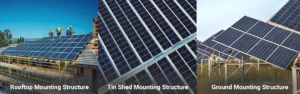
Varied applications, terrain, and environmental factors mean that a single structure cannot suit every customer. This necessitates multiple types of solar mounting structures. The three main types are:

1. Rooftop Mounting Structure  2. Tin Shed Mounting Structure  3. Ground Mounting Structur

1. Standard Rooftop Structure  2. Elevated Rooftop Structure

Standard Solar Mounting Structures: Typically used for residential and commercial rooftops, ground-mounted systems, and other applications where space and elevation are not major constraints.

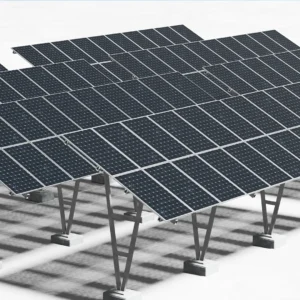
Highrise or Elevated Solar Mounting Structures: Designed for installations that require higher elevation, such as over parking lots, agricultural fields, and industrial rooftops where shading and space utilization are critical considerations.

What is a Standard Solar Mounting Structure?

Standard solar mounting structures are the most commonly used systems for installing solar panels. These structures are usually mounted on rooftops or directly on the ground. These basic mounting structures are available in three different types.

 Railed Mounting Structure: In this type of mounting structure, solar panels are secured onto several rails using a set of clamps. The rails, made of Galvanized Iron, are attached to the roof using drills and nut-bolts.

Ballast Type Mounting System: Also known as a rail-less or ballasted mounting structure, this system fixes solar panels directly to the roof using hardware. It is a cost-effective and easy method for rooftop solar panel installation

Key features include:

Ease of Installation: Standard structures are designed for quick and straightforward installation, making them cost-effective and accessible for most users.

Low to Medium Elevation: These structures keep the panels close to the mounting surface, which is ideal for minimizing wind resistance and structural stress.

Versatility: They can be used in various settings, including residential rooftops, commercial buildings, and ground-mounted solar farms.

Cost-Effective: Due to their simple design and ease of installation, standard mounting structures are generally less expensive than elevated systems.

What is a Highrise or Elevated Solar Mounting Structure?

Highrise or elevated solar mounting structures are designed to elevate solar panels significantly above the ground or rooftop level. This elevation offers several benefits and is suitable for specific applications. Key characteristics include:

Increased Elevation: Panels are mounted higher above the ground or roof surface, which can help reduce shading from nearby objects and improve airflow.

Space Utilization: Elevated structures allow for dual use of the space beneath the panels, such as parking lots, agricultural fields (agro photovoltaics), or industrial facilities.

Improved Efficiency: By reducing shading and increasing ventilation, elevated structures can enhance the overall efficiency and lifespan of solar panels.

Complex Installation: These structures require more robust engineering and construction, making them more complex and costly to install compared to standard structures.

What is the Difference Between Standard and Elevated Mounting Structures?

The primary differences between standard and elevated solar mounting structures lie in their design, installation, cost, and applications. Here’s a detailed comparison:

Design and Construction: Standard structures are typically simpler and consist of a frame that holds the panels close to the mounting surface.

Elevated structures are more complex, requiring additional materials and engineering to raise the panels higher and ensure stability.

Installation Process: Standard mounting systems are easier and quicker to install, often requiring less specialized labor and equipment.

Elevated systems involve more intricate construction processes, which can lead to longer installation times and higher labor costs.

Cost: Standard structures are generally less expensive due to their simplicity and ease of installation.

Elevated structures, with their added complexity and materials, tend to be more costly.

Applications:

Standard structures are ideal for residential rooftops, small commercial installations, and ground-mounted systems where space and elevation are not major issues.

Elevated structures are suitable for large commercial or industrial installations, parking lots, agricultural applications, and other scenarios where maximizing space utilization and reducing shading are critical.

Why Consumers Are Shifting Towards Elevated Design?

Several factors are driving the shift towards elevated solar mounting structures, particularly for large-scale and commercial installations:

Space Optimization: Elevated structures allow dual use of space, making them ideal for installations over parking lots, agricultural fields, and industrial areas.

Reduced Shading: By raising the panels higher, elevated structures minimize shading from nearby objects, leading to better performance.

Improved Airflow: Enhanced ventilation around the panels can reduce operating temperatures and increase efficiency.

Aesthetic and Functional Benefits: Elevated structures can serve additional purposes, such as providing shade for vehicles or crops, thus adding value beyond energy generation.

Should We Go for an Elevated Design Structure?

Deciding whether to opt for an elevated design structure depends on several factors, including the specific needs of the installation site, budget, and long-term goals. Here are some considerations:

Site Conditions: Evaluate the shading, available space, and potential dual-use benefits of the site.

Budget: Consider the higher initial costs of elevated structures against the potential long-term efficiency gains and space utilization benefits.

Purpose: Determine if the additional functionalities of an elevated structure (e.g., shading, dual-use) align with your project goals.

Factors Affecting The Choice of Mounting Structure

Choosing the right solar mounting structure involves assessing various factors to ensure optimal performance and cost-effectiveness. Key factors include:

Geographical Location: The local climate, wind speeds, and sun exposure levels can influence the choice of structure.

Shading: Assess the potential for shading from nearby objects and choose a structure that minimizes shading impacts.

Space Availability: Consider the available space and whether dual-use is a priority.

Budget: Balance the initial costs with the long-term benefits and potential savings in energy generation efficiency.

Regulations and Permits: Ensure compliance with local regulations and building codes.

Choosing a Mounting Structure: Points to Consider

When selecting a solar mounting structure, keep the following points in mind:

System Compatibility: Ensure the mounting structure is compatible with the solar panels and other system components.

Durability and Materials: Choose structures made from high-quality, durable materials to withstand environmental conditions.

Installation and Maintenance: Consider the ease of installation and maintenance requirements.

Vendor Reputation: Select a reputable solar module manufacturer and structure provider to ensure quality and reliability.

Wrapping Up:

In the rapidly evolving field of solar energy, choosing the right solar module mounting structure is crucial for maximizing the efficiency and longevity of your solar installation. Standard and highrise or elevated solar mounting structures each have their unique advantages and applications. While standard structures are cost-effective and easy to install, elevated structures offer enhanced performance and space utilization benefits. By understanding the differences between these options and considering factors such as site conditions, budget, and project goals, consumers can make informed decisions that align with their needs.

For more information on solar module structures and solutions, visit PIXON, committed to delivering high-quality, innovative solar energy solutions. Embracing renewable energy not only contributes to a sustainable future but also offers significant economic and environmental benefits.

By leveraging the right mounting structure, you can ensure your solar panels operate at their best, providing clean, efficient energy for years to come. Whether you choose a standard or elevated design, the key is to make an informed decision that aligns with your specific requirements and long-term sustainability goals.

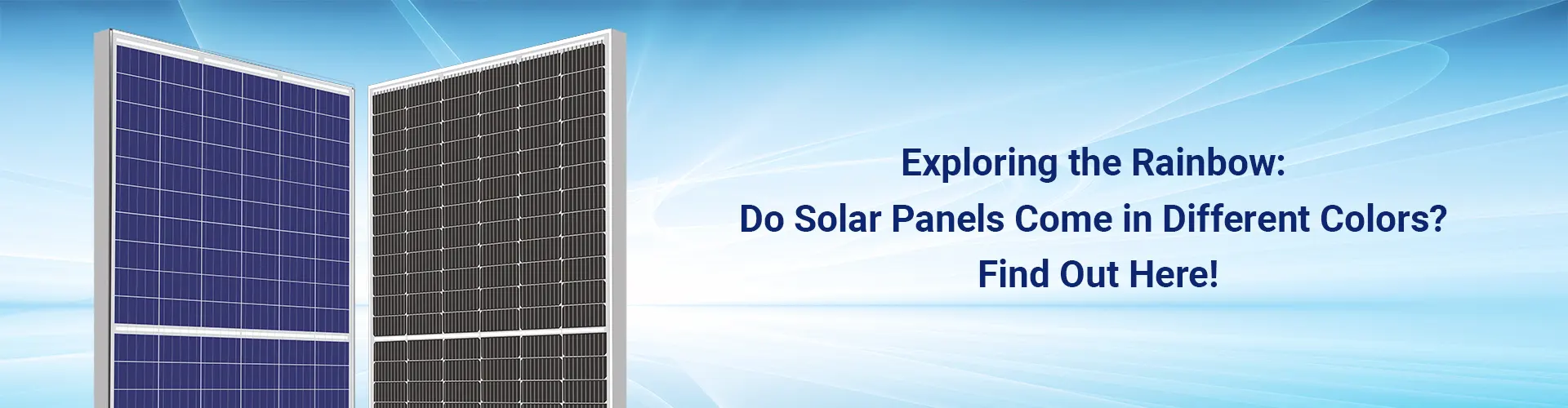
Exploring the Rainbow: Do Solar Panels Come in Different Colors

Exploring the Rainbow: Do Solar Panels Come in Different Colors

As the world increasingly turns towards sustainable energy solutions, solar panels have become a staple in the quest to reduce carbon footprints. Traditionally, these panels are seen in hues of blue and black, mounted atop roofs and across fields. But as the demand for more aesthetically pleasing options grows, one might wonder: do solar panels come in different colors? This comprehensive exploration sheds light on the possibilities and technologies shaping the colorful future of solar panels.

What Colors Do Solar Panels Typically Come In?

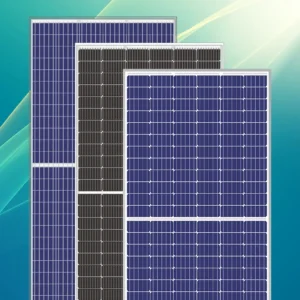
Solar panels are predominantly found in two colors: blue and black. These colors are not a result of aesthetic choices but are inherent to the types of solar panels—monocrystalline and polycrystalline. Each type has its distinct look due to the material and manufacturing processes involved.

The color differences between solar panels are primarily due to the inherent characteristics of silicon, which is the main material used in their construction. Monocrystalline panels, crafted from a single, pure silicon crystal, exhibit a sleek black hue. In contrast, polycrystalline panels are composed of numerous silicon fragments, which collectively impart a distinctive blue appearance.

Monocrystalline Solar Panels (Black)

Monocrystalline solar panels are known for their sleek, black appearance, which comes from the high-purity silicon used in their production. Black solar panels, commonly referred to as monocrystalline solar panels , are constructed from a single, continuous silicon crystal. The silicon used in these panels is highly purified and arranged in a uniform crystal structure throughout the cell. This precise alignment forms a large, singular silicon crystal within each solar cell. The unique crystal configuration in monocrystalline silicon influences the way light interacts with the panels, giving them their characteristic black appearance.

Polycrystalline Solar Panels (Blue)

Polycrystalline solar panels display a signature blue color, which is due to the way light interacts with the silicon fragments within the panel. Blue solar panels, also known as polycrystalline panels, are made from silicon and exhibit a unique blue color, which is a result of their crystal composition. These panels are constructed by melting and fusing multiple silicon fragments together, which leads to the formation of visible boundaries between the crystals. These boundaries scatter and reflect light, particularly in the shorter wavelengths, giving the panels their blue tint. During manufacturing, an anti-reflective coating is applied to minimize reflection and maximize light absorption, further intensifying the blue shade of these panels.

The Science Behind Solar Panel Colors

The color of a solar panel is directly linked to the type of silicon used and the way it is processed. Silicon absorbs light efficiently, which is crucial for the conversion of solar energy into electrical energy. The structure and purity of the silicon crystals affect not only the efficiency of the solar panel but also its color. High-purity silicon used in monocrystalline panels absorbs more light, which contributes to the panels’ black color and higher efficiency.

How Do Black and Blue Solar Panels Differ?

Criteria Black Panel Blue Panel
Aesthetic Appeal Known for its sleek, black look and premium-grade silicon. Featuring visible crystals, a more dispersed appearance and lower grade silicon
Space Occupancy Occupies less space and has a longer lifespan Requires slightly more space to produce the same amount of energy as black panels
Cost Carry a higher price tag for installers and consumers More affordable
Availability Commonly available and widely used Less common and limited availability
Energy Generation Often more efficient in converting sunlight to electricity May be less efficient due to the color, but technological advancements can improve efficiency

Emerging Technologies for Efficient Colored Panels

The quest for aesthetically pleasing solar panels has led to innovative technologies aimed at enhancing the color without compromising efficiency.

Dye-sensitized Solar Cells: One of the emerging technologies in colorful solar panels is dye-sensitized solar cells. These cells use a dye to absorb sunlight and convert it to energy. The dyes can be customized to different colors, allowing for a variety of visually appealing designs without a significant loss in panel efficiency.

Coatings: Another method for changing the color of solar panels is through the application of coatings. These coatings can reflect certain wavelengths of light, thereby changing the color of the panels. This technology can potentially maintain or even improve the efficiency of the solar panels by reflecting unused wavelengths while absorbing the most effective ones for energy conversion.

Quantum Dots: Quantum dots are nanocrystals that can be used on solar panels to manipulate light absorption and improve efficiency. By adjusting the size of these dots, scientists can change the color of the panels and potentially enhance their power conversion capabilities.

Photonic Crystals: Photonic crystals are another promising technology for altering solar panel colors. These crystals can reflect specific wavelengths of light, giving the solar panels a unique color. At the same time, they enhance efficiency by improving light absorption in the silicon cells.

Pros and Cons of Colored Solar Panels

Advantages of Colored Solar Panels

Aesthetic Versatility: Colored solar panels offer greater flexibility in design and can be tailored to complement various architectural styles

Increased Adoption: Attractive, color-matched solar panels might encourage more homeowners and businesses to adopt solar technology.

Urban Integration: In urban areas, where appearance can be as crucial as functionality, colored solar panels can blend seamlessly with the surroundings.

Disadvantages of Colored Solar Panels

Potential Efficiency Loss: Some methods of coloring solar panels can reduce their efficiency, although emerging technologies are aiming to mitigate this issue.

Higher Costs: Developing and implementing color technologies can be expensive, potentially making these solar panels less accessible to the average consumer.

Wrapping Up

The future of solar panels is not just limited to the traditional blue and black but extends across a spectrum of colors, thanks to ongoing technological advancements. As researchers continue to develop methods that combine aesthetic appeal with high efficiency, the adoption of solar energy is set to become more visually appealing and widespread. Explore both black and blue solar panels of the best quality and efficiency at Pixon .

By embracing both functionality and style, solar energy can become an integral, harmonious part of our built environment, making renewable energy both a practical and beautiful choice for a sustainable future.

Understanding the Key Components of a PV System

Understanding the Key Components of a PV System

Renewable energy is becoming increasingly important today as we seek sustainable solutions to power our lives. Among the various forms of renewable energy, solar energy stands out for its efficiency, reliability, and environmental benefits. At the heart of solar energy systems are photovoltaic (PV) systems, which convert sunlight into electricity. This blog will provide an in-depth understanding of the key components of a PV system, explaining how they work together to harness solar energy effectively.

Overview of Solar PV Systems

A solar PV system consists of several components that work in unison to convert sunlight into usable electrical energy. These components include PV solar panels, solar modules, mounting structures, inverters, and various balance-of-system elements. Understanding each of these components is crucial for appreciating how a solar PV system operates and why it is a valuable investment for both residential and commercial applications.

How Photovoltaic Systems Work

Photovoltaic systems generate electricity by utilizing the photovoltaic effect, where semiconductor materials within solar cells absorb photons from sunlight and release electrons. This process creates an electric current that can be captured and used as electricity. The efficiency of this conversion process depends on the quality and type of solar cells used, as well as other factors like panel orientation and sunlight intensity.

What are the Key Components of a PV System?

A comprehensive PV system includes several key components beyond the solar panels and inverters. These components include:

Solar Modules: The primary component that captures sunlight and converts it into electrical energy.

Inverters: Convert DC electricity from the solar panels into AC electricity for use in homes and businesses.

Mounting Structures: Securely hold the solar panels in place, ensuring optimal orientation and exposure to sunlight.

Battery Storage (Optional): Stores excess energy generated during the day for use during nighttime or cloudy periods.

Charge Controller: Regulates the flow of electricity to and from the battery storage, preventing overcharging and extending battery life.

Cabling and Wiring: Connects all the components, ensuring efficient and safe transfer of electricity.

Monitoring System: Tracks the performance of the PV system, providing real-time data and alerts for maintenance.

Solar Modules and Solar Cells

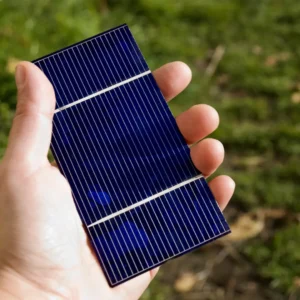
Solar modules, also known as solar panels, are the fundamental building blocks of a PV system. Each module consists of multiple solar cells connected in series or parallel to achieve the desired voltage and current output. A solar module’s performance depends on its solar cells’ efficiency and the quality of materials used in its construction.

PV solar panels come in various types, including monocrystalline, polycrystalline, and thin-film panels. Monocrystalline panels are known for their high efficiency and durability, while polycrystalline panels offer a cost-effective solution with slightly lower efficiency. Thin-film panels are flexible and lightweight, making them suitable for specific applications where weight and flexibility are critical factors.

Inverter

The inverter is a critical component of a PV system, responsible for converting the direct current (DC) generated by the solar panels into alternating current (AC), which can be used to power household appliances and supply electricity to the grid.

Inverters come in different types, including string inverters, microinverters, and power optimizers, each offering unique benefits and suitability for various applications.

Module Mounting Structures

The effectiveness of a solar PV system heavily relies on the proper installation and orientation of the solar modules. This is where solar module mounting structures come into play. These structures support the solar panels, ensuring they are securely attached to the roof, ground, or other surfaces.

A robust solar module structure is essential for withstanding environmental factors like wind, rain, and snow. The structure must be designed to provide adequate support and stability while allowing for optimal sunlight exposure.

Solar module mounting structures come in various types, including fixed, adjustable, and tracking systems. Fixed mounting structures are stationary and set at a specific angle, while adjustable structures allow for manual changes in orientation to maximize sunlight capture.

Battery Storage

A battery storage enhances your self-consumption of solar energy and offers a dependable backup during grid outages. It stores excess energy produced by the PV array that isn’t used right away. Including a battery storage in your solar PV system is optional

Charge Controller

Charge controllers manage the electricity from the DC generated by a solar array to charge a battery or a group of batteries. They regulate the voltage and current from the solar array to ensure the batteries are charged efficiently and safely.

Cabling and Wiring

It links all the components, ensuring the efficient and safe transfer of electricity.

Monitoring System

Tracking systems are more advanced, automatically adjusting the panels’ position throughout the day to follow the sun’s path and enhance energy production.

Types of Solar PV Systems

Solar PV systems can be categorized into three main types based on their configuration and usage:

Grid-Tied Systems: These systems are connected to the local electrical grid, allowing excess energy to be fed back into the grid and providing a reliable source of electricity when solar production is low.

Off-Grid Systems: These systems are independent of the grid and typically include battery storage to provide electricity during non-sunny periods. They are ideal for remote locations without access to the grid.

Hybrid Systems: Combining features of both grid-tied and off-grid systems, hybrid systems can switch between grid power and battery storage, offering greater flexibility and reliability.

Advantages of PV Systems

Solar PV systems offer numerous advantages, making them a popular choice for renewable energy solutions:

Environmental Benefits: Solar energy is a clean, renewable resource that reduces greenhouse gas emissions and decreases reliance on fossil fuels.

Cost Savings: Although the initial investment can be significant, solar PV systems can lead to substantial savings on electricity bills over time.

Energy Independence: By generating their electricity, homeowners and businesses can reduce their reliance on the grid and protect themselves from rising energy costs.

Low Maintenance: Solar PV systems have relatively low maintenance requirements, with most components designed to last for decades.

Increased Property Value: Installing a solar PV system can increase the value of a property, making it more attractive to potential buyers.

Wrapping Up

Understanding the key components of a PV system is essential for anyone considering investing in solar energy. From the solar modules and mounting structures to the inverters and additional system components, each part plays a crucial role in harnessing the sun’s power and converting it into usable electricity. As a leading solar module manufacturer , PIXON offers a range of high-quality solar PV modules designed to maximize the efficiency and durability of your PV system. Explore more about our products and solutions at PIXON, and take the first step towards a sustainable and energy-efficient future.