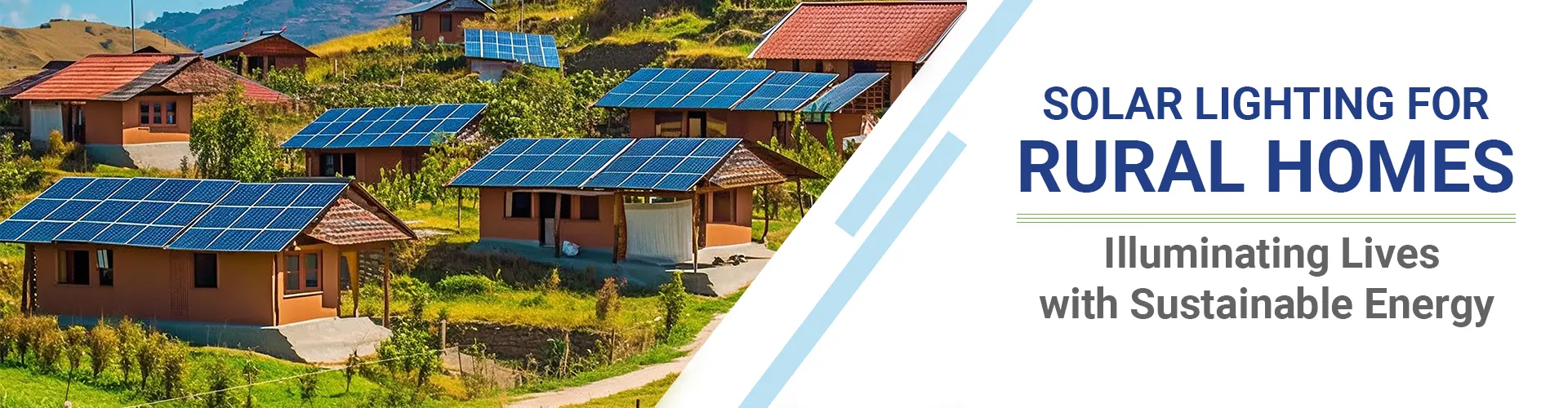
Solar Lighting for Rural Homes: Illuminating Lives with Sustainable Energy

Solar Lighting for Rural Homes: Illuminating Lives with Sustainable Energy

In many rural parts of India, access to reliable and sustainable electricity remains a challenge. Despite the advancements in technology and infrastructure in urban areas, rural regions often lag in energy accessibility. However, the rise of solar energy solutions offers a promising path forward. Solar lighting for rural homes not only brings light to these communities but also enhances the quality of life, productivity, and environmental sustainability. In this blog, we will explore the significance of solar lighting in rural areas, its applications, and the role of solar energy manufacturers in transforming lives.

The Current State of Electricity in Rural India

India’s rural electrification program has evolved through multiple phases of improvement, driven by substantial interventions from the Government of India. Despite these efforts, as of April 1, 2015, there were still 18,452 villages that remained unelectrified. (Source: https://powermin.gov.in/)

Rural India faces significant challenges in accessing reliable electricity. Rural households in India still lack access to electricity, relying instead on traditional and often hazardous energy sources like kerosene lamps. Even in electrified areas, power cuts are frequent, and the quality of supply is often poor. This unreliable energy access hampers economic development, education, healthcare, and overall quality of life.

The Challenges of Inadequate Power Infrastructure

The challenges posed by inadequate power infrastructure in rural India are multifaceted. Poor grid connectivity, frequent power outages, and low voltage issues are common. These challenges are exacerbated by the geographical diversity of India, which makes it difficult and expensive to extend the grid to remote areas. Additionally, rural households often face financial constraints, making it challenging to afford connection fees and energy bills. This situation forces many to rely on inefficient and polluting energy sources.

Relying on Traditional and Inefficient Energy Sources

In the absence of reliable electricity, many rural households resort to using kerosene lamps and wood-burning stoves for lighting and cooking. These traditional energy sources are not only inefficient but also pose serious health risks due to indoor air pollution. The smoke from kerosene lamps and wood stoves is a leading cause of respiratory diseases, particularly among women and children. Moreover, these sources are expensive in the long run and contribute to environmental degradation through carbon emissions.

Uses of Solar Energy in Rural Development

Solar energy is becoming increasingly vital in renewable energy systems, offering significant potential to transform rural areas in India. As solar energy applications continue to expand, we are exploring how to harness this power effectively.

Solar energy is versatile, functioning across diverse landscapes, from plains to mountains. Remarkably, the amount of sunlight that hits Earth in just 90 minutes can meet the world’s energy needs for an entire year, highlighting the immense potential of solar power as a primary energy source. With its abundant solar exposure, India has a substantial potential for solar PV systems, estimated at around 748 GW by the National Institute of Solar Energy (NISE).

Solar energy has revolutionized rural economies, fostering sustainability. It provides innovative solutions such as solar lighting and powered agricultural systems, enabling rural areas to become more self-sufficient and vibrant.

By enhancing productivity, improving farming techniques, and providing access to clean water, solar energy is positively transforming lives in rural communities.

Lighting and Increased Productivity

Solar lighting systems provide a reliable and clean source of light, extending productive hours in the day. With adequate lighting, students can study after sunset, small businesses can operate longer hours, and households can engage in productive activities, improving overall living standards.

Powering Agriculture with Solar Pumps
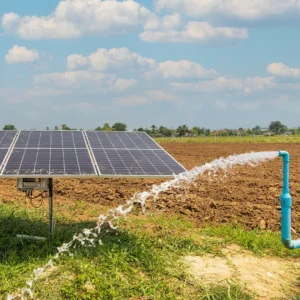
Agriculture is the backbone of rural India, and access to water is crucial for farming. Solar-powered water pumps offer a sustainable solution for irrigation, reducing dependency on diesel pumps and grid electricity. These pumps are cost-effective, environmentally friendly, and easy to maintain, making them an ideal choice for rural farmers.

Solar Solutions for Clean Water Access
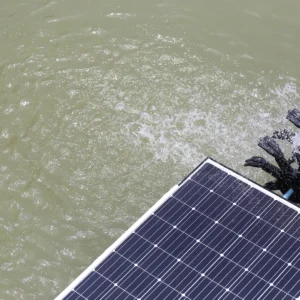
In many rural areas, access to clean drinking water is a challenge. Solar-powered water purification systems can provide safe drinking water, reducing the incidence of waterborne diseases. These systems are especially useful in remote areas where traditional water infrastructure is lacking.

Health and Environmental Benefits of Solar Adoption

The adoption of solar energy in rural areas brings numerous health and environmental benefits. By replacing kerosene lamps with solar lighting, the risk of respiratory illnesses due to indoor air pollution is significantly reduced. Additionally, solar energy is a clean and renewable source of power, reducing the carbon footprint and mitigating climate change. Solar modules from reputable solar energy manufacturers are designed to last for decades, providing a long-term solution to energy needs without the environmental costs associated with fossil fuels.

The Role of the Indian Government and Private Sector

The Indian government, recognizing the potential of solar energy, has launched several initiatives to promote its adoption in rural areas. Programs like the Pradhan Mantri Sahaj Bijli Har Ghar Yojana (Saubhagya) aim to provide electricity to all households, while schemes like the Kisan Urja Suraksha evam Utthaan Mahabhiyan (KUSUM) that support the installation of solar pumps for irrigation. Additionally, many other subsidies and incentives are provided to encourage the use of solar energy.

The private sector, including top solar panel manufacturers in India, plays a crucial role in this transformation. These companies invest in research and development to produce high-efficiency solar modules and offer financing solutions to make solar energy affordable for rural households. By collaborating with the government and local organizations, the private sector helps bridge the energy gap in rural India.

Social Impacts: Enhancing Quality of Life

The introduction of solar lighting and other solar energy solutions in rural areas has profound social impacts. Access to reliable and clean energy improves education, healthcare, and economic opportunities. Schools can operate in the evening, healthcare facilities can provide better services, and businesses can thrive, leading to overall community development. Moreover, the reduced reliance on polluting energy sources improves health outcomes and enhances the quality of life for rural residents.

Wrapping Up

Solar energy is more than just a source of power; it is a catalyst for transformation in rural India. By offering clean, reliable, and affordable electricity, solar energy is revolutionizing lives and livelihoods in villages throughout the country. As technology advances and awareness increases, the potential of solar energy to foster sustainable development in rural India becomes boundless. With ongoing support from governments, businesses, and communities, solar power will continue to light the way to a brighter future for rural India.

The efforts of solar manufacturers, the government, and the private sector are crucial in making this vision a reality. As we move towards a more sustainable future, the role of solar energy in rural development will only grow, illuminating lives and empowering communities across India.

For more information on high-quality solar modules and solutions, visit PIXON.

Decoding Your Electricity Bill: An Essential Guide

Decoding Your Electricity Bill: An Essential Guide

Understanding your electricity bill is crucial for managing your energy costs effectively. This comprehensive guide will break down each component of your bill, explain how charges are calculated, and offer practical tips for reducing your energy expenses. We’ll also explore how adopting solar energy solutions from leading solar manufacturers can positively impact your bills and contribute to a greener future.

Introduction

Electricity bills can be complex, with multiple components influencing the total amount due. Decoding these elements can help you manage your energy consumption more effectively and identify opportunities for cost savings. In this blog, we’ll simplify the process, providing a clear explanation of each part of your bill and offering strategies to optimize your energy usage. We’ll also discuss how incorporating solar energy solutions from reputable solar energy manufacturers can reduce your reliance on traditional energy sources and lower your bills.

Understanding the Electricity Bill – Overview

Your electricity bill is a reflection of your energy consumption and associated costs over a specified billing period, typically one month. It includes several key elements:

Energy Charges: The primary cost, based on the amount of electricity you use.

Fixed Charges: Set fees for maintaining infrastructure and providing service.

Additional Fees: Various extra charges that may vary by region or utility provider.

To manage your electricity expenses effectively, it’s essential to understand these components and how they impact your overall bill. Reviewing your bill regularly will help you identify trends and make informed decisions about your energy usage.

What Are the Energy Charges?

Energy charges are the most significant part of your electricity bill. They are calculated based on your total energy consumption, measured in kilowatt-hours (kWh). The cost per kWh can vary depending on your rate plan and energy provider.

How you can step by step calculate your electricity bill

Tariff Rates: Next, you’ll need to determine the applicable tariff rates. These rates, set by the State Electricity Regulatory Commission, are influenced by factors such as electricity generation and distribution costs, fuel prices, and operational expenses. Tariff rates can differ based on consumer categories like residential, commercial, or industrial. You can find the current rates on the DISCOM’s website or by contacting their customer service.

Energy Consumption Calculation: To calculate your energy consumption, subtract the previous meter reading from the current reading. Multiply the resulting difference by the tariff rate per kWh. For instance, if your previous reading was 1000 kWh and the current reading is 1200 kWh, your consumption is 200 kWh (1200 – 1000). With a tariff rate of Rs. 5 per kWh, your energy charge would be Rs. 1000 (200 x 5).

Fixed Charges: In addition to energy consumption charges, DISCOMs may levy a fixed fee, known as a service connection charge, which is applied monthly regardless of your electricity use. Fixed charges can vary based on the type of connection (e.g., single-phase or three-phase) and the consumer category.

Taxes and Other Charges: Lastly, your bill includes taxes and additional charges such as meter rent and electricity duty. In India, a Goods and Services Tax (GST) of 5% is applied to electricity charges.

Difference Between Before and After Solar Panel Installation

Before Solar Panel Installation:

Connection Type: Your electricity bill details will vary based on whether you have a Three-Phase (HT Connection Above 6 KW) or Single-Phase (1-6 KW) connection.

Electricity Providers: Your bill will list the electricity provider, such as PGVCL, UGVCL, MGVCL, DGVCL, or TORRENT.

Area Type: Bills may differ based on whether you live in a rural or urban area.

Consumer Details: The bill will include your consumer number, name, address, and meter number.

Complaint Registration: Use your consumer number for any complaints or bill payments.

Usage Information: The bill will show past readings, present readings, total usage, average usage, and past total usage.

Bill History: Details of the last three bills, including the month, consumption, and bill amount, will be provided.

After Solar Panel Installation:

Bill Changes: While the overall structure of your bill remains similar, additional details related to your solar plant will be included.

Dual Billing: You will receive two types of bills: one for regular electricity usage and another for solar unit generation.

Regular Bill: Includes import and export units with all relevant charges.

Solar Meter Bill: Reflects only the units generated by your solar plant.

Import Units: These are units of electricity you consume from the grid when your solar generation is insufficient, such as during the night.

Export Units: These are units generated by your solar plant that you use during the day. Any excess units are transferred back to the grid via a bidirectional meter.

Difference Units: This figure represents the difference between imported and exported units.

Negative Difference: If the difference is negative, it indicates that your solar generation exceeds consumption, meaning you owe nothing to the DISCOM.

Positive Difference: If the difference is positive, it means you have consumed more electricity than generated, and you will need to pay for the excess units as per the DISCOM’s rates.

By understanding these changes, you can better manage your electricity expenses and maximize the benefits of your solar panel installation.

Tips to Calculate Your Electric Bill

Here are some tips to help you calculate your electric bill accurately:

Track Your Usage: Regularly check your energy meter to monitor your usage and identify any unusual patterns.

Understand Your Rate Plan: Familiarize yourself with your rate plan to know how your energy charges are calculated.

Use Online Calculators: Utilize tools provided by your utility company to estimate your bill based on your usage.

Implement Energy-Saving Measures: Consider adopting energy-efficient practices and technologies, such as those offered by solar panel manufacturers , to reduce your overall consumption and costs.

By following these tips, you can gain a better understanding of your electricity bill and take proactive steps to manage your energy expenses.

Breakdown of Charges

Your electricity bill consists of several components, each contributing to the total amount due:

Energy Charge: Based on the amount of electricity you use, measured in kWh.

Fixed Monthly Charge: A set fee for maintaining the infrastructure and providing service, regardless of your usage.

Demand Charge: If applicable, this charge is based on the peak level of energy consumption during the billing period.

Fuel Surcharge: Reflects changes in the cost of fuel used to generate electricity.

Taxes and Fees: Various taxes and surcharges that may vary depending on your location and utility provider.

Understanding each of these charges can help you identify areas where you can reduce costs and make informed decisions about your energy usage.

Conclusion

Decoding your electricity bill is an essential step towards managing your energy costs effectively. By understanding the different components and how they are calculated, you can make informed decisions about your energy consumption and explore opportunities to reduce your bills.

Adopting solar energy solutions from reputable solar energy companies can significantly impact your energy costs and contribute to a more sustainable future. For more information on solar energy solutions and to explore products, visit PIXON

By staying informed and proactive, you can optimize your energy usage, reduce your bills, and contribute to a greener, more sustainable world.

Easy Guide to Choosing High-Quality Solar Panels

Easy Guide to Choosing High-Quality Solar Panels

Solar panels have become a popular choice for harnessing the sun’s power to generate electricity. However, not all solar panels are created equal. Ensuring you choose high-quality solar panels is crucial to maximize the efficiency and longevity of your solar energy system. In this blog, we’ll explore how to identify top-quality solar panels by considering key factors, including visual inspection, certifications, and manufacturer credentials.

Importance of Choosing High-Quality Solar Panels

Selecting high-quality solar panels is essential for several reasons:

Efficiency: High-quality solar panels are designed to capture and convert sunlight into electricity more effectively. This means better performance and higher energy output.

Durability: Quality panels are built to withstand environmental factors such as extreme temperatures, humidity, and wind. Investing in durable panels ensures long-term reliability and fewer maintenance issues.

Cost-Effectiveness: While high-quality panels may have a higher upfront cost, their efficiency and durability can lead to cost savings over time through reduced energy bills and fewer replacements.

Warranty and Support: Top-quality panels often come with better warranties and support from manufacturers, giving you peace of mind and protection against potential issues.

Low Degradation rate: The degradation rate of solar panels is a crucial factor in assessing the long-term efficiency of a solar system. It refers to the rate at which a panel’s performance diminishes over time. While all solar panels will experience some degree of degradation, high-quality panels are designed to minimize this effect. Therefore, opting for panels with a low degradation rate ensures that your solar system maintains higher efficiency and performance over its lifespan.

Better ROI: High-quality solar panels are built to last longer than their lower-quality counterparts. This longevity translates to a higher return on investment (ROI) over the years, as they continue to perform efficiently and require fewer replacements or repairs.

Visual Inspection for Solar Panel Quality

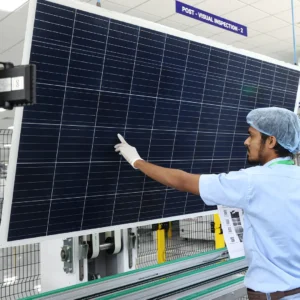
One of the simplest ways to assess the quality of a solar panel is through a visual inspection:

Uniform Color: High-quality solar panels should have uniform color and texture across all cells. Discoloration or irregularities can indicate defects or poor manufacturing processes.

No Cracks or Damages: Check for any visible cracks, scratches, or damages on the surface of the solar panel. These can affect performance and lead to early failures.

Labeling and Alignment: Check the product labeling and ensure the photovoltaic panels are properly aligned to confirm they meet quality standards

Product Dimensions: Verify that the product dimensions match the specified specifications.

How to Check Quality of Solar Panels

Check Markings and Certifications

Ensure that the solar panel has the appropriate certifications. Look for IEC, UL, or ISO symbols, which indicate that the panels meet established industry standards. Panels lacking these certifications may not be reliable or perform optimally.

Measure Electrical Parameters

Assessing the electrical performance of the solar panel provides valuable insights into its quality. Measure the open-circuit voltage, short-circuit current, and power output. Discrepancies from the manufacturer’s specifications could signal potential quality issues.

Evaluate Solar Panel Materials

Examine the materials used in the solar panel. High-quality panels typically feature tempered glass, robust aluminum frames, and durable junction boxes. Inferior materials can lead to faster wear and reduced lifespan of the panels.

Manufacturer Credentials and Quality Assurance

When selecting solar panels, it’s essential to consider the manufacturer. Opt for a company with over a decade of experience, as they are likely to provide reliable warranties and offer easy support if issues arise.

Years in Business: Established manufacturers with a long track record are more likely to produce reliable products.

Reputation: Research the manufacturer’s reputation in the industry and customer reviews to gauge their reliability.

Quality of Bill of Materials (BOM)

The Bill of Materials (BOM) lists all components used in the panel:

Component Quality: Verify that the components listed are of high quality and sourced from reputable suppliers.

Transparency: A transparent BOM indicates a commitment to quality and allows you to assess the materials used.

Testing and Certifications

Performance Testing: Ensure the panels have undergone rigorous performance testing to validate their efficiency and durability.

Certifications: Check for additional certifications from independent testing agencies that verify the panel’s quality and performance.

Common Defects Found in Solar PV Inspection:

During the inspection of PV/solar cell production, several defects that can impact the quality and efficiency of solar panels are commonly identified. These include:

Cell Defects: Issues such as micro-cracks, broken connections, or non-functional cells can significantly reduce panel efficiency.

Hot Spots: Areas that overheat compared to the rest of the panel can cause permanent damage and decrease overall performance.

Solar Back Sheet Damage: Damage from manufacturing flaws, mishandling during transport, or environmental exposure can compromise the panel’s integrity.

Junction Box Defects: Problems like loose connections, inadequate seals, or physical damage to the junction box can affect the panel’s safety and functionality.

Electrical Defects: Issues such as short circuits, open circuits, or partial shading can negatively impact the solar panel’s performance.

Wrapping Up

When selecting high-quality solar panels, it’s essential to evaluate various factors such as appearance, branding, performance parameters, and materials. Additionally, consulting with other users’ experiences and seeking professional advice can provide valuable insights and guidance

As the demand for high-quality solar equipment and components increases, it is crucial to invest in the best products available. However, navigating the intricate solar panel production cycle and avoiding inferior products can be a challenging task Choosing top-quality solar panels is crucial for maximizing the benefits of solar energy . By conducting a thorough visual inspection, checking certifications, measuring electrical parameters, evaluating materials, and considering manufacturer credentials, you can ensure that you invest in solar panels that offer optimal performance, durability, and value.

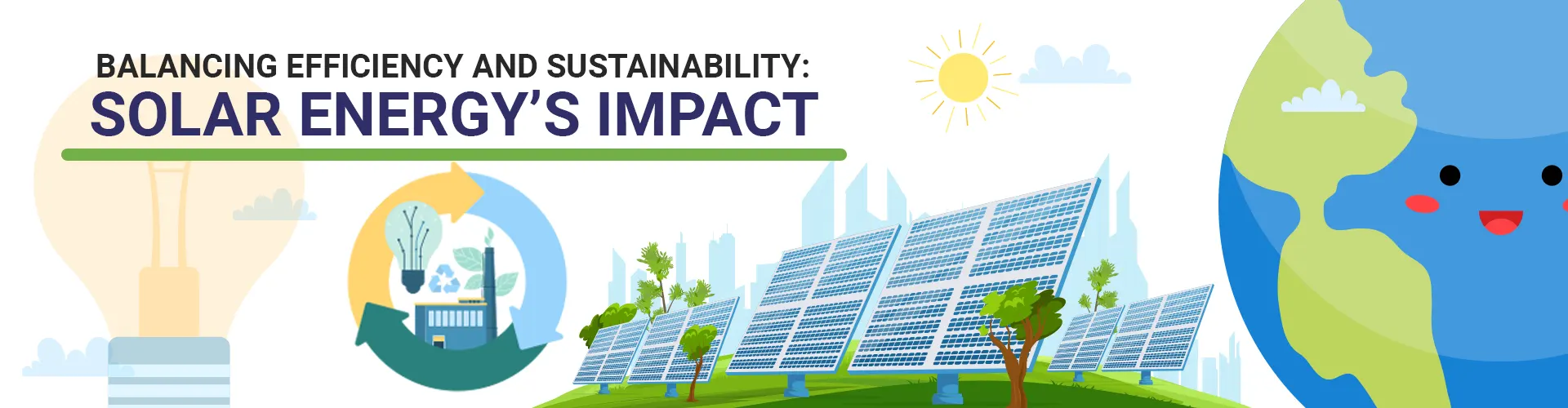
Balancing Efficiency and Sustainability: Solar Energy’s Impact

Balancing Efficiency and Sustainability: Solar Energy’s Impact

In today’s rapidly evolving world, terms like “efficiency” and “sustainability” have become increasingly prevalent, especially when it comes to the conversation around energy sources. With climate change being a global concern, the emphasis on green energy has never been more vital. Solar energy is a prime example of an efficient and sustainable energy source that plays a crucial role in driving the shift toward renewable energy. In this blog, we’ll delve into the differences between efficiency and sustainability, explore the role of solar energy in green energy, and highlight the significance of solar panel manufacturers in this transformation.

Understanding Efficiency and Sustainability

What is Efficiency in Energy Systems?

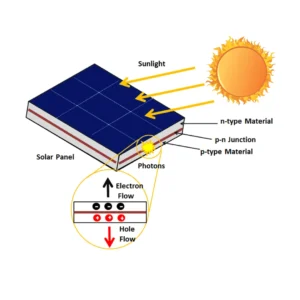
Solar panel efficiency measures the amount of sunlight a panel can convert into usable electricity. This conversion happens when sunlight interacts with silicon or thin film cells within the panel, generating an electrical current

An efficient system aims to reduce energy wastage by utilizing the available resources to their fullest potential. For instance, when we talk about the efficiency of solar panels, we refer to how well a panel can convert sunlight into usable electricity. Solar panel manufacturers focus on creating photovoltaic (PV) modules that offer high-efficiency ratings to optimize energy production.

Efficiency is critical for ensuring that the maximum possible energy is extracted from the resources used. However, an efficient system is not necessarily a sustainable one. While a diesel generator might be efficient in its energy production, its reliance on fossil fuels and the associated environmental impact make it far from sustainable.

What is Sustainability in Energy Systems?

Sustainability, on the other hand, refers to practices that meet the current needs without compromising the ability of future generations to meet their needs. A sustainable energy system is one that minimizes environmental impact, reduces carbon footprint, and can be maintained over time without depleting natural resources. Solar energy is inherently sustainable because it uses sunlight, an abundant and renewable source of energy.

The Intersection of Efficiency and Sustainability in Solar Energy

How Solar Energy Bridges Efficiency and Sustainability

The sun is a plentiful and freely available resource that can be harnessed to generate electricity through photovoltaic (PV) panels. Unlike traditional energy sources, solar power is clean, renewable, and has minimal environmental impact, making it a perfect choice for sustainable development.

By harnessing sunlight, solar PV modules generate electricity without emitting greenhouse gases or polluting the environment. This means that solar systems not only provide an efficient way to produce electricity but also do so in a manner that promotes long-term sustainability.

Role of Solar PV Module Manufacturers in Enhancing Efficiency

Solar module manufacturers are constantly innovating to enhance the efficiency of their panels. High-efficiency solar modules, such as monocrystalline panels , convert a greater percentage of sunlight into electricity compared to traditional panels. Solar panel manufacturers in India have been at the forefront of producing advanced technologies, making significant contributions to the green energy sector.

By choosing high-efficiency solar panels, not only can you reduce energy costs but also maximize the sustainability of your energy use. For further information about these cutting-edge products, check out our product page .

Solar Energy’s Contribution to Green Energy

Benefits of Solar Energy for a Sustainable Future

1. Reduced Carbon Emissions: Solar energy is clean, and it helps in reducing carbon footprints significantly. Traditional energy sources like coal and natural gas release a large amount of carbon dioxide when burned, which contributes to global warming. In contrast, solar energy generates power without any emissions.

2. Renewable and Abundant: Sunlight is abundant and renewable, making it a sustainable choice for energy production. Solar energy production does not deplete any resources, and as long as the sun shines, there will be a source of energy.

3. Energy Independence: Solar energy helps in promoting energy independence for regions that lack access to fossil fuels. With solar manufacturing companies in Gujarat and other regions of India, there is an opportunity for self-sustained energy systems.

4. Job Creation: The solar industry is booming, leading to job creation in various sectors, including manufacturing, installation, and maintenance. Solar energy thus contributes to sustainable economic growth.

Why Solar Panel Manufacturers are Key to the Green Energy Movement

The efficiency and sustainability of solar energy depend largely on the quality of solar panels. Solar panel manufacturers in India are continuously researching and developing more efficient and durable panels. The advancement of solar technologies like PERC (Passivated Emitter and Rear Contact) and bifacial panels has paved the way for better efficiency and sustainability. If you’re interested in exploring these options, please Contact Us for more information on how solar panels can benefit your energy needs.

Solar Manufacturing in India: A Growing Hub for Green Energy

The Role of Indian Solar Manufacturers in Green Energy

India has emerged as a significant player in the solar manufacturing industry. With companies focusing on high-quality, efficient, and sustainable PV modules, the country is driving the growth of green energy solutions. Solar panel manufacturers in India are not only catering to domestic energy needs but also contributing to the global solar market.

Solar Manufacturing in Gujarat: A Center for Innovation

Gujarat is one of the leading states in India that has embraced solar energy on a large scale. With several solar manufacturing companies in Gujarat, the state has become a hub for innovation in solar technologies. These companies are known for producing high-quality solar PV modules that are efficient, durable, and sustainable.

Solar Panels: Efficiency, Durability, and Sustainability

Evaluating the Efficiency and Sustainability of Solar Modules

When choosing a solar panel, efficiency is not the only factor to consider. The durability, build quality, and sustainability of the materials used also play a vital role. A high-efficiency panel may not necessarily be sustainable if it uses non-recyclable materials. Therefore, solar PV module manufacturers in India are increasingly focusing on both efficiency and sustainability to provide high-performing, long-lasting solutions.

Importance of Warranties and Certifications

Solar panel warranties provide two types of protection: a product warranty, which ensures the panel’s durability and guards against manufacturing defects, and a performance warranty, which guarantees that the panel will maintain a certain level of energy output over time.

Certifications play a crucial role in the solar panel industry, serving as more than just compliance markers. They are key indicators of the quality and reliability of solar panel systems. By assuring consumers of the product’s performance, safety, and environmental standards, certifications greatly influence purchasing decisions.

The IEC is a leading organization in the solar panel industry, setting international standards for electronic devices, including photovoltaic (PV) panels.

Wrapping Up

The difference between efficiency and sustainability may seem subtle, but both are critical when considering an energy system. Solar energy uniquely balances these two aspects, making it a key player in the future of green energy. Solar module manufacturers and solar panel manufacturers in India are driving the green revolution with their focus on innovative, efficient, and sustainable technologies. By choosing the right solar energy system, not only do you contribute to a sustainable future, but you also benefit from cost-effective and efficient energy production.

To learn more about choosing the best solar panels and understanding solar technology, feel free to visit our other informative blogs:

For more on our solar modules and products, you can visit our homepage .

Active vs. Passive Solar Systems: Key Differences Explained

Active vs. Passive Solar Systems: Key Differences Explained

Harnessing solar energy has become increasingly vital as the world shifts towards renewable energy sources. In this blog, we will explore two primary solar power systems—active and passive—and delve into their distinctions, advantages, and potential applications.

What Are Active and Passive Solar Power Systems?

Active and passive solar power systems represent two different approaches to harnessing the sun’s energy. Understanding their core differences can help you choose the most effective solution for your home or business.

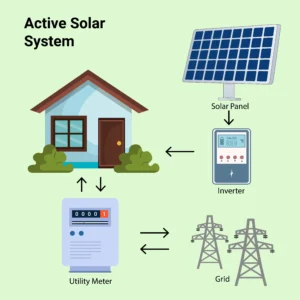
Active Solar Power Systems use mechanical devices like pumps, fans, or photovoltaic (PV) panels to convert solar energy into usable power. On the other hand, passive solar power systems use architectural design to capture and distribute solar energy without the need for external devices.

Active Solar Power Systems: How Do They Work?

Active solar systems are designed to absorb solar energy and convert it into electrical or thermal energy through photovoltaic panels or solar thermal collectors. These systems typically rely on a combination of solar modules and mechanical components to store and distribute energy.

Active solar energy systems work by using a fluid, such as air or liquid, to absorb heat from the sun. This heated fluid is then transferred to a storage unit, where it is eventually converted into usable energy. Unlike passive systems, active solar systems rely on external devices like solar panels to collect, store, and convert solar energy into power.

Liquids are often preferred due to their superior heat and energy conduction properties, but air has the advantage of not freezing in colder climates. Both air and liquid can be effectively used in heating or cooling a building. Liquid-based systems are known as hydronic collectors, while air-based systems are called air collectors.

Components of Active Solar Power Systems

Solar Panels: Active systems utilize monocrystalline solar panels and polycrystalline solar modules. These panels absorb sunlight and convert it into direct current (DC), which is then transformed into alternating current (AC) for home or business use.

Inverters and Batteries: These components help in storing excess energy and converting it for later use.

Solar Thermal Collectors: Active thermal systems capture sunlight to heat water or air for household needs.

Explore our top-quality solar panels.

Benefits of Active Solar Power Systems

Efficiency: Active systems can harness more energy due to their mechanical components.

Versatility: They are ideal for both residential and commercial applications.

Reliability: Active systems, when paired with energy storage solutions, offer a steady power supply.

By incorporating new solar panel technologies, active solar power systems continue to evolve and offer higher energy yields and greater reliability.

Passive Solar Power Systems: A Simpler Approach

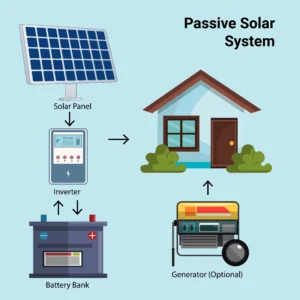
Unlike active systems, passive solar power systems do not require any external devices to convert sunlight into energy. Instead, they rely on the architectural design of buildings to naturally absorb and store heat from the sun.

How Passive Solar Systems Work

Passive solar energy systems rely on the design, layout, and construction of a building to harness the sun’s energy, rather than using external devices. These systems naturally utilize sunlight for heating and cooling.

A common example is a car parked in the sun, where the metal body absorbs solar energy and heats the interior. This illustrates passive solar energy in action.

These systems work according to the laws of thermodynamics, where heat naturally transfers from warmer to cooler surfaces, helping to regulate indoor temperatures. Investing in passive solar systems for your small business is a smart choice since they operate without any external equipment, making them cost-effective and low-maintenance.

Explore more about Passive Solar Homes in our previous blog.

Key Elements of Passive Solar Power Systems

Aperture (Collector): The aperture is the part of a Passive Solar Heating system that allows sunlight to enter and be harnessed for energy. It can take the form of a window, skylight, or door. The size, shape, and placement of the aperture are key factors in determining how effectively the system captures and utilizes solar energy.

Thermal Mass: Materials like brick, stone, or concrete that absorb and slowly release heat.

The Heat Absorber: This refers to a solid, dark-colored surface—such as a masonry wall, floor, or water container—that is positioned to receive direct sunlight. Throughout the day, it absorbs heat and stores it in the ‘thermal mass’ behind, allowing the heat to be released gradually.

Natural Ventilation: Passive systems also rely on natural airflow to cool spaces.

Shading Devices: Overhangs or blinds help control the amount of sunlight entering the building during warmer months.

Benefits of Passive Solar Power Systems

A Renewable Energy Source : Passive Solar Heating is a clean and renewable energy source that generates no pollution or greenhouse gas emissions.

Cost-Effective: Since passive systems do not require complex technology, the initial costs are typically lower.

Low Maintenance: With no mechanical parts, passive systems are almost maintenance-free.

Eco-Friendly: Passive solar systems are ideal for those looking to reduce their carbon footprint.

Key Differences Between Active and Passive Solar Power Systems

Feature Active Solar Systems Passive Solar Systems
Energy Generation Uses photovoltaic panels and mechanical devices Relies on architectural design
Cost Higher initial costs due to technology and equipment Lower initial costs due to simplicity
Efficiency Highly efficient, especially in commercial applications Less efficient, better for temperature regulation
Maintenance Requires regular maintenance of mechanical parts Minimal maintenance required
Application Suitable for electricity generation Ideal for heating and cooling buildings

While both systems serve the purpose of utilizing solar energy, they differ significantly in terms of components, cost, and functionality.

Anti-Islanding in Solar Inverters: Ensuring Safety & Efficiency

Anti-Islanding in Solar Inverters: Ensuring Safety & Efficiency

When it comes to solar energy, efficiency and safety are crucial. Anti-islanding technology, a critical feature in modern solar inverters, plays a significant role in ensuring both. In this blog, we’ll delve into what anti-islanding is, why it matters, and how it operates in solar inverters to enhance the safety and reliability of solar energy systems.

What is Anti-Islanding in Solar Inverters?

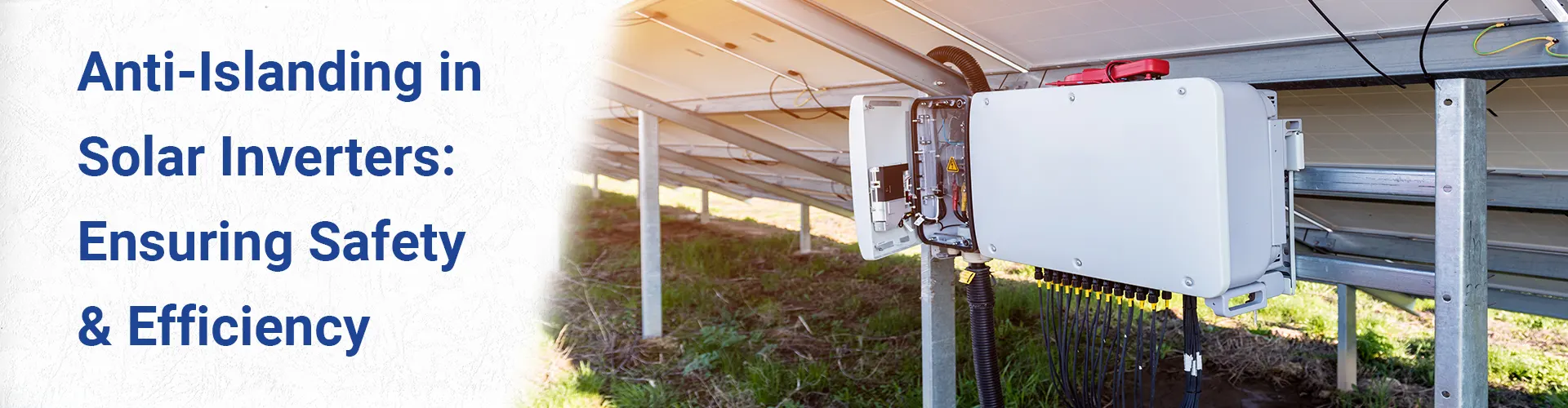
Anti-islanding is a safety mechanism designed to prevent a solar inverter from continuing to generate power when the main utility grid fails. Without this mechanism, solar inverters would continue to operate in an “islanded” mode, posing serious risks to utility workers, equipment, and the surrounding community. By implementing anti-islanding, solar inverters detect a grid failure and automatically disconnect, safeguarding both the system and the individuals involved.

Why is Anti-Islanding Important?

Implementing strong solar anti-islanding protection measures is crucial to protect the electrical grid’s stability and ensure the safety of workers. An islanded solar setup may continue to generate power during a grid outage if there are no trustworthy detection and disconnection procedures in place

When a grid outage occurs, the presence of an active solar inverter can create what’s known as an “island,” where the inverter continues to send power to the local network. This can cause two major issues:

Safety Risks: If utility workers believe that the grid is powered down, they may unknowingly encounter live electricity coming from a local solar inverter, putting them at serious risk.

Equipment Damage: Running solar power without grid synchronization can damage both the inverter and connected equipment.

Inverter damage: In large solar systems, multiple inverters are typically installed alongside distributed generators. Islanding can disrupt the inverters’ proper functioning, potentially leading to damage.

How Does Anti-Islanding Work in Solar Inverters?

Anti-islanding technology in solar inverters operates through detection techniques designed to monitor and respond to the presence of the utility grid. Below are some common methods used:

Voltage Monitoring

Grid power loss can be detected using voltage monitoring, which involves continuously tracking grid voltage levels for significant drops or fluctuations. A sudden voltage decrease beyond a predefined threshold signals a grid outage or interruption. This activates the anti-islanding mechanism, ensuring disconnection from the grid to prioritize worker safety.

Frequency Monitoring

Frequency monitoring is a critical method for detecting power loss. By continuously tracking the power frequency, anti-islanding mechanisms can identify deviations from the normal range. During a grid outage, a lack of synchronization with other systems often causes noticeable frequency changes. The mechanism detects these variations and quickly disconnects from the grid, protecting inverters and other equipment from potential damage.

To ensure effective detection of islanding conditions in solar anti-islanding systems, a combination of active and passive methods is utilized. These methods assist in figuring out whether a photovoltaic (PV) system is still linked to the grid or has disconnected.

1. Passive Detection: Passive detection is the simplest method of anti-islanding. The inverter constantly monitors voltage and frequency; any significant fluctuations indicate a grid failure, prompting the inverter to disconnect immediately. However, passive detection alone may not always be effective.

2. Active Detection: Active detection is a more advanced approach, where the inverter injects small signals into the grid. When the grid is operational, these signals dissipate. However, during a grid failure, the inverter detects changes in the feedback, signaling it to shut down.

3. Hybrid Detection: A combination of passive and active detection, hybrid detection utilizes both methods to achieve more reliable anti-islanding. Hybrid systems are commonly used by solar panel manufacturers to enhance the inverter’s response accuracy.

Components of an Anti-Islanding System

An anti-islanding system in a solar inverter relies on various components to ensure effective functionality. These include:

Monitoring Sensors: Continuously measure voltage, frequency, and phase.

Signal Injectors: Used in active detection to create test signals.

Control Unit: Decides when to disconnect the inverter based on detected grid conditions.

Using these components, solar module manufacturers in India ensure that anti-islanding systems are safe, efficient, and compliant with industry standards.

Benefits of Anti-Islanding in Solar Inverters:

Regular Maintenance and Testing: Routine maintenance and testing of anti-islanding protection systems are essential to ensure their reliability. Regular inspections allow solar system owners to detect and address potential issues or malfunctions in the anti-islanding mechanisms.


Enhanced Safety: Protects utility workers and prevents accidental electrocution.

System longevity: Guards against possible harm to the inverter and its associated equipment.

Compliance with Regulations: Many regions require anti-islanding features for grid-tied inverters.

Operational Efficiency: Reduces downtime and ensures synchronization with the grid upon reconnection.

Anti-islanding is a key component of solar inverters, ensuring that solar module manufacturers offer products that meet stringent safety requirements.

Types of Solar Inverters with Anti-Islanding:

Solar inverters equipped with anti-islanding technology fall into several categories:

1. Central Inverters: Central inverters are common in large-scale solar projects. They include robust anti-islanding systems to meet utility grid standards and are often used by photovoltaic panel manufacturers.

2. String Inverters: These inverters have effective anti-islanding measures and are often used by solar panel manufacturers in India for distributed installations.

3. Microinverters: Microinverters are attached to each solar panel, adding an additional layer of safety through built-in anti-islanding protection. This setup is ideal for smaller installations using polycrystalline solar modules and module mounting structures.

Interlinking Anti-Islanding with Other Solar Technologies

Anti-islanding is part of a broader set of technologies that solar manufacturers in India integrate to create efficient, reliable solar systems. In conjunction with advancements in solar module structure and materials, anti-islanding enhances the performance and safety of solar energy systems.

For those interested in learning more about the integration of anti-islanding with other solar technologies, check out our product page .

Wrapping Up

Anti-islanding is an essential feature in solar inverters, enhancing safety, ensuring compliance with regulations, and protecting both workers and equipment. As solar energy continues to expand in India, anti-islanding remains critical for the growth and reliability of distributed solar power.

Ready to make your solar system safer and more efficient?

Contact Us today to discuss solar solutions tailored to your needs!

By exploring advancements in solar technology, including anti-islanding, solar manufacturers in India are helping shape a cleaner, safer energy future. This blog covers not only how anti-islanding enhances safety but also how it fits into the broader landscape of renewable energy solutions, ensuring your solar investment is optimized and secure.

Solar Panel Scams: Red Flags You Shouldn’t Ignore

Solar Panel Scams: Red Flags You Shouldn’t Ignore

Introduction: Spotting Solar Panel Scams

As solar energy adoption surges, so does the prevalence of solar panel scams targeting unsuspecting buyers. Identifying trustworthy solar panel manufacturers is essential for safeguarding your investment and ensuring high-quality performance. In this guide, we’ll uncover the most common scams, red flags, and steps to avoid falling victim to fraudulent schemes.

Why Solar Energy Is a Prime Target for Scams

Solar energy represents a sustainable future, attracting both legitimate businesses and scammers. Solar panel manufacturers in India are innovating to meet growing demand, but fraudulent entities exploit the unfamiliarity of first-time buyers with the technology.

However, as the solar industry rapidly expands, it has also attracted some dishonest practices and instances of solar fraud. While the majority of solar companies and professionals are trustworthy and operate with integrity, homeowners need to stay informed about potential challenges on their solar journey.

Common Scams in the Solar Industry:

Fake Solar Panel Certifications: Many scammers claim their products are certified by reputable organizations. Ensure that the photovoltaic panels manufacturers you choose can provide verifiable certifications.

Misleading Efficiency Claims: Some solar module manufacturers exaggerate the efficiency of their products to lure customers. Cross-check claims with third-party reviews and data.

High-Pressure Sales Tactics: Scammers often rely on aggressive and unethical sales strategies to push consumers into hasty decisions. They may create a false sense of urgency with claims of limited-time offers, rapidly filling slots, or exclusive discounts contingent on immediate contract signing. These tactics aim to limit decision-making time, discourage independent research or expert consultations, and withhold transparent information. Stay cautious and take the time to verify offers before committing.

Free Panel Offers A Common Trap: Beware of enticing offers for “free solar panels,” as they often come with hidden costs or conditions. These schemes may involve upfront fees, unexpected installation charges, or binding long-term contracts with steep monthly payments. In some instances, scammers use the application process to gather personal information, which can then be exploited for fraudulent activities. Always scrutinize such deals and verify their legitimacy before proceeding.

Misleading Lease Agreements: Some scammers may offer lease agreements with deceptive terms, often advertising them as “100% free.” However, these agreements frequently conceal hidden costs, such as maintenance or monitoring fees, or include long-term contracts with steep escalation clauses. To safeguard your interests, always work with reputable solar companies known for providing clear, fair, and transparent lease agreements.

False Promises of Tax Credits: Some scammers mislead homeowners by falsely claiming eligibility for substantial tax credits or incentives, even when the homeowners don’t qualify. These tactics prey on the desire to maximize savings and lower the upfront costs of solar installations, ultimately leading to disappointment and potential financial loss. Always verify incentive eligibility through official sources or trusted solar providers.

To avoid such scams and know more about it read our blog on: How to avoid solar panels scams

Red Flags to Watch Out For:

Recognizing red flags early can help you avoid expensive missteps. Here’s what to look for:

Too-Good-To-Be-True Pricing

High-quality solar modules come at a cost. Genuine solar module manufacturers focus on quality rather than suspicious discounts.

Visit our blog and explore how to avoid red flags and an Easy Guide to Choosing High-Quality Solar Panels

Lack of Transparency in Documentation

Ensure the seller provides clear warranties, specifications, and contract terms. Fraudulent sellers often avoid or rush through documentation.

Unverified Installation Services

Poor installation can void warranties and lead to inefficiencies. Work only with installers recommended by trusted solar pv module manufacturerzs.

Protecting Yourself from Solar Scams:

Taking proactive steps can significantly reduce your risk.

Verify Manufacturer Credentials

Established solar panel manufacturers in India typically have an online presence, certifications, and customer reviews. PIXON is an example of a reputable solar module manufacturer delivering trusted solutions.

Confirm Incentives and Rebates

Always independently verify the availability, eligibility, and terms of any tax credits, incentives, or rebate programs promoted by a solar company. Refer to official government websites or consult local authorities to ensure you receive accurate and reliable information.

Steer Clear of Large Upfront Payments

Exercise caution with companies that require significant upfront payments or request payments in cash. Reputable solar providers typically follow a structured payment schedule linked to project milestones, ensuring transparency and trust.

Check Solar Module Structure and Design

Quality solar module structures are essential for durability and efficiency. Examine specifications closely or consult professionals.

Choose Local and Certified Providers

Local solar panel manufacturers ensure better after-sales service. Ensure your provider meets regional compliance standards.

How to Ensure a Reliable Solar Panel Purchase:

Research Photovoltaic Panels Manufacturers

Research online reviews and ask for references. Trustworthy photovoltaic panels manufacturers prioritize customer satisfaction.

Insist on Site Assessments

Reliable solar pv module manufacturers conduct site evaluations to offer personalized recommendations.

Request Detailed Cost Breakdowns

Avoid vendors reluctant to provide detailed estimates. Compare quotes from multiple solar panel manufacturers in India. Contact Us Now

Wrapping Up: Invest Wisely, Avoid Scams


Solar energy is a long-term investment. By partnering with trusted solar panel manufacturers in India and staying vigilant against scams, you can ensure a smooth transition to sustainable energy. Stay informed, ask questions, and choose manufacturers who prioritize transparency and quality. Choosing a reliable solar module manufacturer is the first step in your solar journey. PIXON, a leading solar energy company, offers high-quality solar pv modules tailored to your energy needs. Explore our Contact Page to discuss your requirements.

Understanding Hybrid Solar System: Importance & Application

Introduction to Hybrid Solar Systems

The global transition to renewable energy has propelled innovations in solar energy solutions. Among them, hybrid solar systems have emerged as a powerful, efficient solution for energy management. Combining solar PV modules with battery storage and grid connectivity, hybrid systems address energy needs for both residential and commercial users.

This blog explores the importance, applications, and benefits of hybrid solar systems while highlighting innovations by leading solar module manufacturers .

What is a Hybrid Solar System?

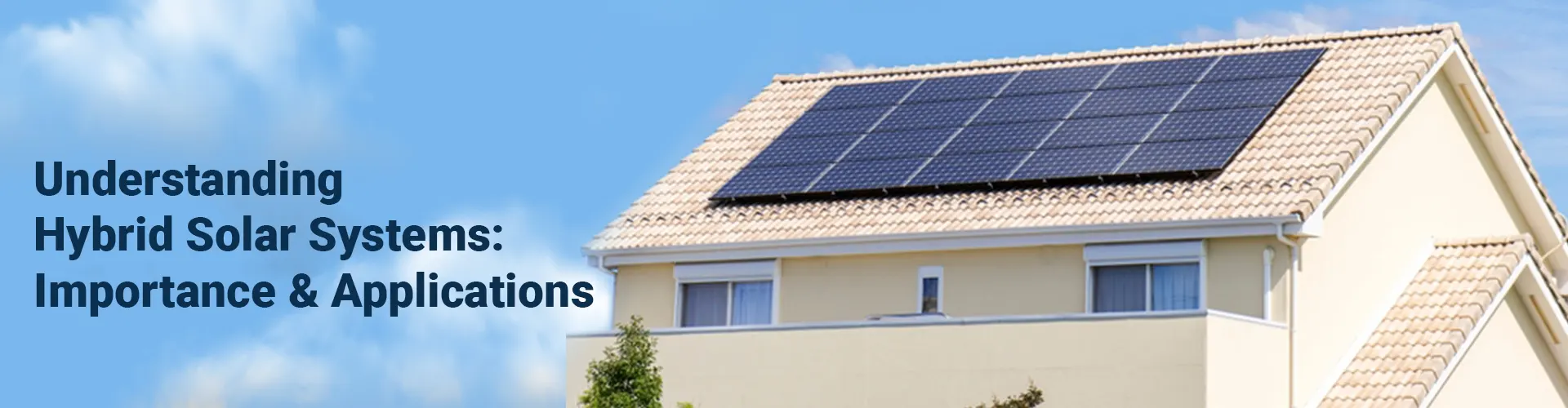
A hybrid solar system combines the benefits of solar energy with a backup power source, such as the electrical grid or battery storage. Simply put, it’s a solar setup that stores excess energy for times when solar production drops or the grid fails.

How It Differs from Traditional Solar Systems: Traditional solar systems depend solely on solar energy and often rely on the grid when sunlight is unavailable. In contrast, hybrid systems include battery storage, offering greater flexibility and reliability. They allow you to use stored energy during low sunlight periods or grid outages, reducing dependence on external power sources and ensuring uninterrupted energy supply.

Key Components of a Hybrid Solar System

Solar Panels: The core component of the system, responsible for converting sunlight into usable electricity.

Inverter: Transforms the direct current (DC) produced by the solar panels into alternating current (AC), which powers most household appliances.

Battery Storage: Captures and stores surplus energy generated during the day for use at night or during cloudy conditions.

Grid Connection: Enables you to draw power from the grid when needed and send excess solar energy back to the grid, potentially earning credits.

Charge Controller: Regulates the flow of electricity between the solar panels, batteries, and grid, ensuring efficient charging and safe discharging of the batteries.

How Does a Hybrid Solar System Work?

Hybrid solar systems work through an intelligent integration of solar PV modules and battery storage:

Energy Generation: During the day, solar modules harness sunlight and generate electricity.

Battery Charging: Surplus energy produced by the solar panels is routed to the battery storage system. The charge controller optimizes the charging process and safeguards the batteries by preventing overcharging

Energy Utilization: Stored energy powers the home or facility during non-sunny hours or outages.

Grid Backup: When the batteries are depleted, the system seamlessly draws power from the electrical grid to maintain an uninterrupted energy supply. On the other hand, if the batteries are fully charged, any surplus energy can be fed back into the grid, potentially earning you credits on your utility bill.

Importance of Hybrid Solar Systems

1. Energy Independence: With hybrid systems, users can reduce reliance on the power grid. During outages or fluctuating power availability, the stored energy in batteries provides uninterrupted electricity.

2. Cost-Effective Energy Solution: By utilizing stored energy during peak tariff hours, hybrid solar systems significantly cut electricity costs. Additionally, advancements by solar module manufacturers in energy-efficient technologies have made these systems more affordable.

3. Promoting Renewable Energy: Hybrid solar systems combine sustainability and energy efficiency. Innovations in solar module structures ensure better power generation even in low-light conditions.

4. Reliable Backup Power: Unlike grid-tied systems that fail during outages, hybrid systems provide reliable backup, making them ideal for homes, businesses, and industries.

Applications of Hybrid Solar Systems

Residential Use: Hybrid solar systems are increasingly popular in residential settings for:

  • Reducing monthly electricity bills.
  • Providing backup power during grid failures.
  • Ensuring sustainable and clean energy usage.

With advancements in the latest technology in solar panels, homeowners can maximize efficiency.

Commercial and Industrial Use: Businesses can benefit from hybrid systems to reduce operational costs and ensure continuous power supply. High-quality systems offered by solar module manufacturers make them a cost-effective investment for industries.

Remote Areas: In remote or rural areas where grid power is unavailable or unreliable, hybrid solar systems offer a sustainable solution for energy access.

Agricultural Sector: Farmers use hybrid solar systems to power irrigation systems, machinery, and lighting. Solar module structures are optimized to withstand diverse climatic conditions for reliable performance.

Educational Institutions: Schools and universities adopt hybrid systems to reduce energy costs and support green initiatives.

Latest Technology in Hybrid Solar Systems

Advanced Solar PV Modules:

  • Modern solar PV modules are designed for higher efficiency, durability, and performance.
  • Manufacturers are adopting monocrystalline and bifacial technologies for improved output.

Advanced Monitoring and Control:

  • Cutting-edge mobile apps for real-time energy monitoring and system control.
  • Effortless smart home integration for optimized energy management.

Enhanced Battery Technologies:

  • Compatibility with high-capacity lithium-ion batteries offering extended lifespans.
  • Integration with advanced battery innovations, such as solid-state batteries.

Artificial Intelligence Integration:

  • AI-driven predictive algorithms for efficient energy management.
  • Machine learning technology to optimize system performance by analyzing usage patterns.

Advantages of Hybrid Solar Systems

Uninterrupted Power Supply: Energy storage ensures power availability 24/7.

Reduced Energy Costs: Hybrid systems significantly lower monthly energy bills.

Scalability: Hybrid systems can be scaled up to meet growing energy needs.

Eco-Friendly: Reduces carbon footprint and promotes renewable energy usage.

High Efficiency: Innovations by top photovoltaic panels manufacturers ensure better performance.

Choosing-the-Right-Hybrid-Solar-System.webp

Budget: While hybrid systems have higher upfront costs due to battery storage, factor in the long-term savings on electricity bills.

Battery Capacity: Select batteries with adequate capacity to meet your backup power requirements and maintain a reliable energy supply.

Quality and Warranty: Opt for high-quality components backed by dependable warranties to ensure long-lasting performance and durability.

Professional Installation: Partner with skilled and experienced installers to guarantee proper and efficient system setup.

For high-performance solar systems, check out PIXON’s products .

Why Choose PIXON?

Advanced Technology: Incorporating the latest technology in solar panels.

Reliability: High-quality solar module structures for maximum performance.

Customer Support: Seamless support from installation to maintenance.

Explore more about our solar modules here .

Wrapping Up

Hybrid solar systems are a revolutionary solution for sustainable and efficient energy management. Combining advanced solar module structures with smart technologies, they address residential, commercial, and industrial energy needs.

Investing in hybrid solar systems reduces energy costs, promotes renewable energy, and ensures reliable backup power. As one of the top solar panel manufacturers , PIXON offers cutting-edge solar solutions tailored to meet diverse energy requirements.

To learn more or inquire about our products, Contact Us today.

Importance Of Site Survey For Solar Installation

Why Site Survey or Inspection is Important for Solar Installation?

Solar energy has become a cornerstone of sustainable energy solutions, with homeowners and businesses increasingly turning to it as a reliable and eco-friendly alternative. However, the foundation of a successful solar installation lies in a thorough site survey or inspection. This process ensures the solar system’s efficiency, safety, and compatibility with the location’s unique characteristics.

What is a Solar Site Survey?

A Solar Site Survey is an essential step in evaluating the feasibility of installing a solar energy system. This process involves a detailed assessment of the proposed installation site, whether it’s a roof or a ground surface.

Key site factors such as shading, orientation, and available space are carefully analyzed to identify the optimal placement for solar panels. Additionally, the survey takes into account sun exposure, weather patterns, and local regulations to estimate the potential energy output and ensure the installation’s compliance and cost-effectiveness.

Conducting a Solar Site Survey enables homeowners and businesses to make well-informed decisions, unlocking benefits such as reduced energy costs, greater energy independence, and a positive environmental impact.

The Role of a Site Survey in Solar Installation

Assessing Solar Potential: A site survey determines whether your location is ideal for harnessing solar energy. Factors like roof angle, exposure to sunlight, and possible shading are critical in deciding the optimal placement of solar pv modules. Without this step, even high-quality solar panels from top solar panel manufacturers in India may not deliver the expected results. Explore our diverse range of products to choose the best.

Evaluating Structural Integrity: The site survey ensures that your roof or ground structure can support the solar module mounting structures. Inspectors look for wear and tear, slope, and weight-bearing capacity to ensure safety. With robust solar module structures in place, the durability of the system is guaranteed.

Customizing System Design: Every solar installation is unique. A site survey helps tailor the design of the system, from choosing the best photovoltaic panels manufacturers to integrating the latest technology in solar panels. This customization enhances energy efficiency and aligns with specific energy requirements.

Key Benefits of Conducting a Site Survey:

Maximizing Energy Efficiency: A well-conducted site survey pinpoints the best location for solar modules ensuring maximum exposure to sunlight and minimal energy loss.

Reducing Installation Errors: Errors during installation can lead to costly repairs and inefficiencies. By identifying challenges like shading or roof obstructions beforehand, a site survey minimizes risks.

Ensuring Compliance and Safety: Local building codes and regulations vary, and a site survey ensures compliance. It also identifies potential safety hazards, guaranteeing that the installation adheres to industry standards.

The Site Survey Process

Inclination of Solar Modules: The inclination of solar modules is a critical factor in determining the efficiency of solar panels. During a site survey, it’s essential to ensure that the panels are installed to receive maximum sunlight throughout the day. For example, since India lies in the northern hemisphere, solar panels should ideally face true south to achieve optimal output.

Inspection of Roof Structure: India’s diverse climate and architectural variations result in a wide range of rooftop designs. Unlike countries with uniform roof structures, a thorough site survey in India must include a detailed inspection of the roof. Key factors to consider are the roof’s dimensions, inclination, construction materials, direction, and overall feasibility for solar installation.

Shading Analysis: Shading significantly impacts the efficiency of solar PV systems. Even partial shading during the day can drastically reduce output. A site survey must ensure that a substantial portion of the installation area remains free from shadows caused by trees, buildings, or other structures to maintain maximum efficiency.

Load Analysis: Load analysis involves a detailed assessment of energy usage, including AC/DC converters and electricity consumption patterns. This analysis helps estimate energy generation and determine the potential electricity savings the solar system can provide.

Financial Analysis: Evaluating the project’s financial feasibility is a key aspect of a solar site inspection. With government incentives and financial aid available in India for solar installations, the financial analysis considers installation costs, economic viability, and other critical financial parameters to ensure the project delivers value to the user.

Report and Design: A detailed report outlining findings, system design, and recommendations is shared. It includes cost estimates and timelines for installation.

Why Choose Professional Site Surveys?

Expertise in Solar Technology: Professional site surveys rely on the expertise of engineers familiar with solar module mounting structures and other technical aspects.

Access to the Latest Technology: Our experts stay updated on innovations at PIXON, ensuring the use of cutting-edge products for installations.

Long-Term Savings: A proper site survey ensures your system operates at peak efficiency, translating to lower energy bills and higher ROI.

Wrapping Up

A solar site survey is an essential step in maximizing the efficiency of your solar energy system. Understanding the various aspects and factors involved in a site survey is key to ensuring you get the best return on your investment.

Preparing your roof or land appropriately and selecting the right type of mounting system are vital to achieving optimal results. By assessing sunlight hours, angles, and directional exposure at your location, you can identify the most suitable equipment for your needs.

In summary, embracing the solar site survey process is crucial for anyone looking to harness the full potential of renewable energy. Solar power offers incredible possibilities—let’s unlock its benefits with thoughtful planning and implementation!

Contact Us today to learn how PIXON’s innovative solar solutions can transform your energy consumption.

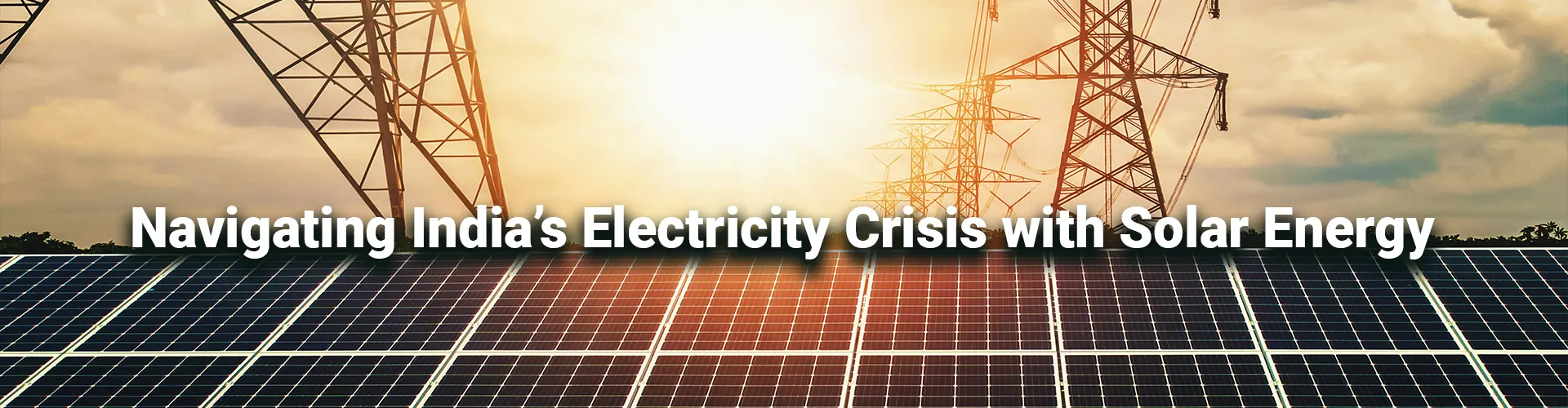
Navigating India’s Electricity Crisis with Solar Energy

Navigating India’s Electricity Crisis with Solar Energy

India faces an impending electricity crisis due to rising energy demands, depleting fossil fuel reserves, and an overburdened grid. With its abundant sunlight, solar energy offers a sustainable and effective solution. Solar manufacturers in India are stepping up with innovative technologies to meet the country’s energy needs while reducing dependency on conventional sources.

Electricity outages and power cuts are becoming increasingly frequent in both urban and rural areas, causing significant disruptions to daily life and economic activities. This blog explores the causes of the crisis and highlights how solar energy, driven by advancements in photovoltaic panels and solar module manufacturing, can help India achieve energy security.

Factors Contributing to India’s Power Crisis

Key Issues Behind Persistent Power Shortages

India’s electricity crisis stems from several interconnected factors that hinder its energy generation and distribution capacity. These challenges are outlined below:

Rising Demand for Electricity

The demand for electricity in India has been increasing at an unprecedented rate. During the 1980s and 1990s, annual demand grew by 9 to 10 percent. This surge in electricity needs comes from multiple sectors, including agriculture, industries, and domestic usage, exacerbating the chronic shortage of power across the country.

Poor Plant Load Factors (PLF)

The Plant Load Factor (PLF), which measures the operational efficiency of power plants, remains alarmingly low in India. Many State Electricity Boards (SEBs), such as those in Bihar, Assam, West Bengal, and Odisha, report PLFs between 25 and 40 percent. This inefficiency significantly impacts the ability of power plants to meet the high electricity demand.

Gaps Between Targets and Achievements

India has consistently faced a shortfall in achieving its power generation targets. During the First Five-Year Plan, the shortfall was 15 percent, increasing to 50 percent by the Fourth Plan. Even during the Seventh Plan, electricity generation reached 245.4 billion kWh against the target of 295 billion kWh, leaving a gap of approximately 50 billion kWh. Similarly, during the Eighth Plan, only 14,799 MW of capacity was added against a target of 30,858 MW, achieving just 48 percent of the planned addition.

Other Contributing Factors

Several other issues exacerbate India’s power crisis, including:

Outdated Machinery: Many power plants rely on obsolete equipment, reducing efficiency and output.

High Transmission Losses: Transmission losses in India account for approximately 20 percent of generated electricity, a significant inefficiency.

Coal Supply Issues: Irregular and inferior quality coal supplies to thermal plants disrupt consistent energy production.

Workforce Challenges: A lack of skilled engineers, technicians, and labour discipline impacts operational efficiency.

Hydel-Thermal Imbalance: An unfavourable mix of hydropower and thermal power reduces the overall stability of the electricity supply.

Public Sector Monopoly: The predominance of public sector control over electricity generation limits competition and innovation.

Why Solar Energy is the Answer

Harnessing Abundant Solar Resources

As a tropical country, India enjoys abundant sunlight across most states. This natural advantage, combined with a robust solar infrastructure, allows the nation to convert locally available solar resources into a reliable power source. According to the National Institute of Solar Energy, India has a massive solar potential of approximately 748 GW, assuming that only 3% of the wasteland area is utilized for solar installations.

Ambitious Solar Targets

India aims to achieve 280 GW of solar power capacity by 2030, and to meet this target, the government is setting up large-scale solar power plants. Initiatives like rooftop solar installation subsidies and supportive policy changes are encouraging widespread adoption among businesses, industries, and homeowners.

Adoption Across Sectors

Solar energy is finding takers across various sectors:

Businesses and Industries: Companies are switching to solar to reduce electricity costs and achieve energy independence.

Residential Solar: Homeowners are increasingly investing in rooftop solar systems, driven by evolving policies and financial incentives.

Public Infrastructure: State-owned buildings, including Kerala’s Cochin International Airport (the world’s first airport to operate entirely on solar energy), are leading the way. Other airports, such as those in Kolkata, Hyderabad, and Delhi, are following suit by adopting solar solutions.

The Benefits of Solar Energy

Solar energy stands out among renewable energyoptions due to its multiple advantages:

1. Reduces Strain on Coal

Solar energy production peaks during the daytime, aligning with the highest power demand periods. By supplementing coal-based power with solar energy, the pressure on coal reserves can be significantly reduced, conserving these resources for night time use.

2. Strengthens Grid Security

The establishment of small and large-scale solar power plants across states enhances energy generation centers. This infusion of solar power into utility grids improves grid security, reducing the risk of blackouts and increasing overall stability.

3. Lowers Electricity Bills

With rising electricity costs and uncertainty surrounding conventional power sources, solar energy offers a cost-effective alternative. Consumers can recover their initial investment in solar systems within 2-3 years, enjoying significant savings on energy bills over the system’s lifespan.

4. Expands Access to Remote Areas

Many remote regions in India lack access to conventional electricity but receive abundant sunlight. Solar energy systems equipped with battery backups provide a viable solution, bringing electricity to underserved areas and improving the quality of life.

5. Feasibility with Advanced Technology

The influx of new solar technologies has made solar systems more efficient, reliable, and cost-effective. Today, solar installations are a feasible option for consumers across residential, commercial, and industrial sectors.

Role of Solar Manufacturers in India

Leading the Charge

Solar manufacturers in India are playing a critical role in addressing the electricity crisis. Companies are producing high-quality solar modules that cater to both domestic and international markets. These manufacturers prioritize innovation and sustainability.

Top Contributions

  • Meeting domestic energy demands
  • Generating employment opportunities
  • Driving exports to global markets

Leading photovoltaic panels manufacturers in India , such as PIXO, are setting benchmarks for quality and efficiency. By adhering to international standards and leveraging the latest technology, they are contributing to a greener future.

Advancements in Solar Technology

Latest Technology in Solar Panels

Solar panel manufacturers are investing heavily in research and development to create efficient, durable, and cost-effective products. The introduction of bifacial panels, half-cut cell technology, and transparent solar panels are just a few innovations reshaping the industry.

Benefits of New Solar Panel Technologies

  • Enhanced energy efficiency
  • Improved durability in diverse climates
  • Reduced costs over time

For example, bifacial panels capture sunlight from both sides, increasing energy output. Similarly, half-cut cell technology minimizes power losses, making solar panels more efficient and reliable. These advancements have positioned Indian solar manufacturers as leaders in the global renewable energy market.

Economic Impact of Solar Energy

Cost Savings

Switching to solar energy reduces electricity bills significantly. While the initial investment may seem high, the long-term savings outweigh the costs. Moreover, government incentives and subsidies make solar installation more affordable.

Return on Investment (ROI)

Businesses and homeowners can expect substantial returns within a few years of installation. Solar energy systems have a lifespan of 25-30 years, making them a cost-effective solution for long-term energy needs.

Job Creation

The solar energy sector is a significant contributor to job creation in India. From manufacturing to installation and maintenance, the industry offers employment opportunities across various skill levels. Solar module manufacturers , in particular, are driving growth in local economies by establishing manufacturing plants and creating jobs.

Wrapping Up

India’s electricity crisis presents a significant challenge, but it also provides an opportunity to transition to a sustainable future. Solar energy, with its vast potential, cost-efficiency, and environmental benefits, is the key to overcoming this crisis. By adopting innovative solar technologies and supporting the growth of solar manufacturers, India can ensure energy security for generations to come.

At PIXON , we are committed to driving this transformation by offering state-of-the-art solar solutions. Join us in making a difference.

Ready to switch to solar?

Get in touch with us today to discover our wide range of solar products and services. Let’s create a brighter, sustainable future together.

Related Blogs:

1. Solving India’s Power Crisis: Can Solar Microgrids Be the Key?

2. Innovations in Solar Panel Technology: What’s New and Next?

3. Easy Guide to Choosing High-Quality Solar Panels