Optimizing Hybrid Power With DG PV Synchronization

Discover how DG PV Synchronization Devices optimize solar power systems for seamless hybrid energy management and efficiency

As the world embraces renewable energy, solar power systems have emerged as a key solution to meet growing energy demands sustainably. However, integrating solar power with existing energy setups, especially diesel generators (DG), requires advanced technology to ensure efficiency and stability. The DG PV Synchronization Device plays a pivotal role in hybrid energy systems, harmonizing solar PV modules with DG systems for reliable and cost-effective energy management.

What is DG PV Synchronization?

A DG PV synchronization device is a specialized controller that ensures seamless integration between a solar inverter and a diesel generator (DG). Typically connected to the local grid, this system is an ideal solution for rooftop solar plants , allowing efficient hybrid energy management.

Key Features and Functions

Power Generation Based on Demand: The device ensures solar plants adjust their power output according to energy requirements or the connected load.

Optimizing DG Usage: The system is designed to keep the DG operating at minimal load while maximizing solar energy utilization.

Core Areas of Synchronization

For effective operation, the DG PV synchronization system aligns with the power grid in three critical aspects:

Voltage: Ensures consistent energy output without fluctuations.

Frequency: Matches the grid frequency to prevent disruptions.

Phase Angle: Aligns the phase angle for smooth power transfer.

Importance of Proper Synchronization

Proper synchronization guarantees safe and efficient current transfer, avoiding power instability. Any mismatch in voltage, frequency, or phase angle can lead to severe consequences, such as power grid damage or harm to your solar panels. By maintaining synchronization, the system enhances both performance and durability.

Importance of DG PV Synchronization in Solar Power Systems

Hybrid power systems bridge the gap between renewable energy and traditional energy sources. DG PV Synchronization Devices are instrumental in:

Enhancing Energy Efficiency: Maximizing the use of solar energy generated by photovoltaic panels.

Reducing Operational Costs: Lowering fuel consumption and maintenance expenses.

Promoting Renewable Energy: Encouraging the transition to sustainable energy solutions through solar module manufacturers.

How Does the DG PV Synchronization Device Work?

On-grid inverters typically rely on a reference voltage from the power grid. In cases where grid power is unavailable, a diesel generator can serve as an alternative reference source. However, specific conditions must be met to ensure compatibility and efficiency. Unlike a grid, surplus solar energy cannot be fed back into a generator, as it is not designed to receive power input. To overcome this limitation and optimize performance, a diesel generator must operate at a minimum of 30% of its capacity.

Role of the DG PV Synchronizer

The DG PV Synchronizer is an intelligent device that enables seamless communication between the diesel generator and the solar inverter. It ensures that:

The generator operates at or above 30% of its capacity before allowing the PV system to generate power.

Excess solar energy is prevented from back-feeding into the generator, thereby acting as a zero-export device.

Example Scenario

If a diesel generator has a capacity of 100kW and the connected demand is also 100kW, the DG PV Synchronizer ensures that 30kW of this demand is supplied by the generator. The remaining 70kW is efficiently met by solar panels, ensuring optimal fuel savings and operational efficiency.

This synchronization mechanism not only prevents damage to the generator but also enhances the reliability of the hybrid system during grid outages.

Benefits of DG PV Synchronization

1. Reduced Carbon Footprint: By prioritizing solar energy, these devices significantly lower greenhouse gas emissions.

2. Cost Savings: Minimizing diesel generator usage reduces fuel and maintenance costs.

3. Reliable Power Supply: Hybrid systems powered by DG PV synchronization ensure uninterrupted electricity, even in remote locations.

4. Extended Equipment Lifespan: Reducing operational hours of diesel generators minimizes wear and tear.

Applications of DG PV Synchronization Devices

1. Commercial and Industrial Use: Industries benefit from lower energy costs and reduced emissions.

2. Remote Locations: Ideal for off-grid areas relying on diesel generators for primary power.

3. Agriculture: Powering irrigation pumps efficiently with hybrid systems, reducing dependence on fossil fuels.

Choosing the Right DG PV Synchronization Device

Selecting the right device involves considering:

Compatibility with Solar Panels: Ensure it supports modern monocrystalline solar panels and other advanced technologies.

Manufacturer Reputation: Opt for devices developed by reliable solar energy manufacturers.

Certifications and Testing: Verify that the device meets industry standards for quality and performance.

Visit our product page for top-quality solar modules range and contact us for expert guidance.

Wrapping Up

The DG PV Synchronization Device is an essential component in modern hybrid energy systems, bridging the gap between renewable energy and conventional power sources. By integrating solar PV modules with diesel generators, these devices ensure efficiency, cost savings, and environmental sustainability.

As one of the top solar panel manufacturers in India , we at PIXON are committed to delivering innovative renewable energy solutions. Discover our range of solar PV modules tailored to meet diverse energy needs.Optio
 

Everything Need to Know About Solar Wafers: Applications and Types

Everything Need to Know About Solar Wafers: Applications and Types

The solar energy industry has witnessed remarkable advancements over the past decade, driven by innovations in new solar panel technologies. At the core of this evolution lies solar wafers, a crucial element in manufacturing solar pv modules. Understanding solar wafers, their types, and applications helps us appreciate the role they play in achieving efficient and sustainable solar energy solutions.

In this blog, we will explore the fundamentals of solar wafers, their applications in solar technology, and the different types available in the market. Whether you are an investor, manufacturer, or solar energy enthusiast, this guide will provide valuable insights into this essential photovoltaic component.

What Are Solar Wafers?

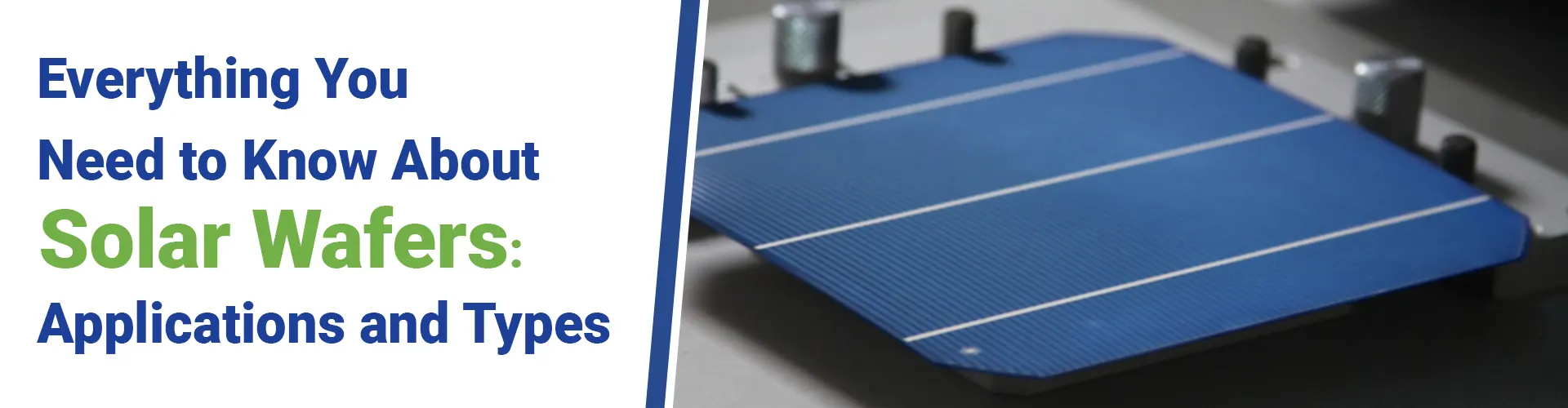
A solar wafer, also known as a silicon wafer, is a thin slice of crystalline silicon that serves as the foundation for fabricating integrated circuits in photovoltaics (PVs). It plays a crucial role in manufacturing solar cells by acting as a semiconductor substrate for microelectronic devices. The production of high-quality solar wafers is vital for ensuring the efficiency and longevity of solar pv modules.

The production of wafers involves highly pure (99.9999999% purity), nearly defect-free single crystalline material. The solar industry primarily utilizes polysilicon and silicon wafers. Additionally, monocrystalline and multicrystalline wafers are employed to meet specific customer requirements.

How Does it Function?

These solar cells draw inspiration from nature. Similar to how plants use photosynthesis, wafer solar cells capture and store energy during the day, making it available for use at night.

Sunlight Absorption: Just as plants soak up sunlight, the solar cell’s surface captures sunlight, initiating the energy conversion process.

Photon Penetration: Photons, the tiny energy carriers in light, travel through the cell’s layers, resembling sunlight filtering through leaves.

Energy Conversion: As photons reach the lower layer, they transfer energy to electrons, setting them in motion.

Electron Flow: Energized electrons break free from their atoms and enter the circuit, generating electrical current.

Powering Devices: These electrons circulate through the circuit, supplying energy to power everything from smartphones to entire homes.

Applications of Solar Wafers

1. Solar Panel Manufacturing

Solar wafers are the primary building blocks of solar panels manufacturing companies. They are processed into solar cells, assembled into solar pv modules, and used by top solar panel manufacturers in India to produce efficient solar panels for residential, commercial, and industrial applications.

2. Consumer and Industrial Electronics

Apart from solar power generation, solar wafers are used in various electronic devices, including calculators, smartwatches, and spacecraft applications where renewable energy sources are necessary.

Types of Solar Wafers

The choice of wafers depends on specific business needs and applications.

Single-crystal solar wafers are the most commonly used type, available in three main categories:

Type A: The most widely used solar wafer, boasting a purity level of 99.999%. It is essential in smartphones, video recorders, and computer storage devices, as well as in applications requiring high density and performance.

Type B: With an even higher purity than Type A, Type B wafers are more challenging to manufacture. They are primarily used in biosensors and high-quality color hardware applications.

Type C: A cost-effective alternative to Type B, Type C wafers have a slightly lower purity level but remain suitable for most applications. They are widely used in logic chip production, enabling integrated circuits to power computers and smartphones, facilitating data transmission and operational functions

Silicon wafers are broadly categorized into two types

Monocrystalline Silicon Wafers

These wafers are composed of a single continuous crystal structure, ensuring superior efficiency and enhanced performance, especially in low-light conditions.

Polycrystalline Silicon Wafers

Formed from multiple silicon crystals, these wafers are a more cost-effective option but generally offer lower efficiency compared to their monocrystalline counterparts.

Advantages of High-Quality Solar Wafers

Increased Efficiency: Higher purity and precision in wafer manufacturing result in more efficient solar energy conversion.

Longer Lifespan: Premium wafers ensure a longer operational life for solar pv modules.

Enhanced Performance: Cutting-edge new solar panel technologies improve wafer performance, leading to better power output.

Cost-Effectiveness: While high-quality wafers may be expensive, they offer better returns in the long run.

Choosing the Right Solar Wafers for Your Needs

When selecting solar wafers, it is essential to consider factors such as efficiency, cost, durability, and application requirements. Leading solar panels manufacturing companies invest heavily in R&D to develop wafers that optimize energy output while minimizing costs.

To explore high-quality solar wafers and solar pv modules, visit our product page .

Wrapping Up:

Solar wafers play a pivotal role in determining the efficiency and longevity of solar pv modules. Whether it’s mono perc solar panels , polycrystalline modules, or thin-film technologies, understanding the different types and their applications can help in making informed decisions.

As one of the leading solar panel manufacturers, we offer high-quality, durable, and efficient photovoltaic panels. Explore our range of solar products by visiting our homepage or contact us for inquiries.

Optimal Orientation for Solar Panels: Landscape vs. Portrait

Optimal Orientation for Solar Panels: Landscape vs. Portrait

Solar energy adoption is on the rise, with individuals and businesses increasingly investing in photovoltaic systems. However, a critical decision in solar panel installation often goes overlooked—the orientation of the panels. Whether to position panels in landscape or portrait orientation can significantly impact efficiency, installation feasibility, and overall energy yield. This blog explores the advantages, drawbacks, and best practices for selecting the optimal solar module orientation based on various factors.

Understanding Solar Panel Orientation

Before deciding on an orientation, it’s essential to understand how solar panels function. A solar pv module converts sunlight into electricity through photovoltaic cells. The arrangement of these modules in an efficient solar module structure ensures maximum energy absorption. The placement and orientation of solar panels are as vital as their type. To maximize energy generation, panels must be positioned at the right angle and direction based on location and weather data. Optimal power is harnessed when sunlight hits perpendicularly.

What is Landscape Orientation

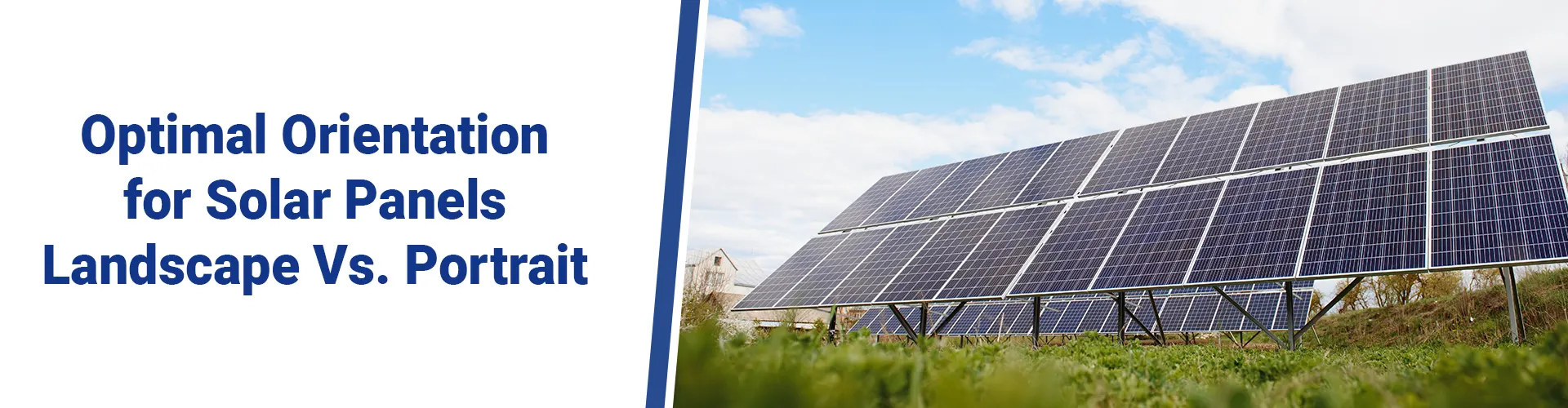
Landscape orientation, where solar panels are installed with their long side parallel to the ground, is a common and preferred choice due to its easy installation and compatibility with various mounting systems. It is often the default for solar designers, especially in commercial projects. However, while convenient, it may not always offer the best performance.

Advantages of Landscape Orientation

Ideal for Rooftop Installations: In residential settings, solar panels are often installed in a landscape orientation due to roof design constraints.

Lower Wind Resistance: Panels laid in a horizontal manner are less susceptible to wind uplift, making them more secure in high-wind regions.

Ease of Installation: Most solar module mounting structures are designed for landscape orientation, reducing the complexity of installation.

Secure Mounting with Rails: Landscape orientation aligns well with standard mounting rails, providing a stable and reliable foundation for solar panels.

Drawbacks of Landscape Orientation

Less Efficient in Certain Conditions: If space is limited, landscape panels may not optimize sunlight exposure compared to portrait setups.

Potential for Dirt Accumulation: Due to their horizontal nature, debris and dirt can accumulate more easily, requiring frequent cleaning.

What is Portrait Orientation

Portrait orientation involves installing solar panels with their long side vertically aligned to the ground. While previously less common, it has gained popularity due to its advantages in various applications.

Advantages of Portrait Orientation

Increased Wind Load: Panels positioned vertically are more exposed to wind forces, requiring stronger mounting solutions.More panels can be installed in portrait orientation in restricted spaces.

Increased Wind Load: Panels positioned vertically are more exposed to wind forces, requiring stronger mounting solutions.

This orientation provides a cleaner, more uniform appearance, ensuring an unobstructed and visually appealing solar panel layout.

Enhanced Performance in Specific Conditions: In regions with high solar insolation, portrait orientation can improve energy generation by capturing more sunlight when the sun is at a lower angle.

Improved Aesthetics: This orientation provides a cleaner, more uniform appearance, ensuring an unobstructed and visually appealing solar panel layout.

Suited for Tracking Systems: Many modern solar energy manufacturer tracking systems favor portrait orientation for better performance.

Drawbacks of Portrait Orientation

Increased Wind Load: Panels positioned vertically are more exposed to wind forces, requiring stronger mounting solutions.

Limited Compatibility with Some Roofs: Residential rooftops may not always accommodate portrait setups effectively.

Factors Influencing the Best Orientation Choice

Choosing the right orientation for solar panels depends on multiple factors:

Geographical Considerations: The location of a solar installation plays a crucial role in determining the optimal panel orientation. In regions with varying sun angles throughout the day, portrait orientation may offer better solar exposure and efficiency.

Roof Space & Layout: For commercial buildings with expansive flat rooftops, landscape orientation is often preferred. However, homes with sloped roofs might benefit from a portrait layout to maximize available space.

Mounting Structures & Support Systems: A well-engineered solar module mounting structure ensures panel stability. Choosing the right support system, such as ground-mounted frames or tracking systems, influences orientation selection.

Solar Panel Efficiency: The efficiency of solar panels depends on their orientation and ability to generate electricity at different angles. While horizontal (landscape) panels may perform better in some cases, vertical (portrait) panels can be more effective in specific conditions.

Type of Solar Modules Used: The latest technology in solar panels impacts orientation choices. Some high-efficiency photovoltaic panels manufacturers offer bifacial panels that benefit from specific orientations to maximize energy generation from both sides.

Wind Load & Environmental Conditions: In regions prone to strong winds, landscape orientation might be preferred to minimize stress on mounting systems.

Wrapping Up

Choosing between landscape and portrait orientation for solar panels depends on numerous factors, including roof structure, mounting system compatibility, environmental conditions, and efficiency needs. Consulting with top solar module manufacturers and using advanced solar tracking tools can help make an informed decision. Whether installing for residential, commercial, or industrial use, selecting the right orientation is key to maximizing the benefits of solar energy.

Are you looking for expert guidance on selecting the right solar panel orientation for your project? Contact PIXON today for consultation and high-quality solar solutions.

Preventing Solar Panel Fire Hazards: A Safety Guide

Preventing Solar Panel Fire Hazards: A Safety Guide

Solar energy has revolutionized electricity generation, offering a clean, cost-effective alternative to traditional power sources. Its benefits – reduced electricity bills, zero greenhouse gas emissions, and low maintenance – have made it increasingly popular across the globe. In India, its adoption extends beyond urban rooftops to rural villages, empowering communities with sustainable energy solutions.

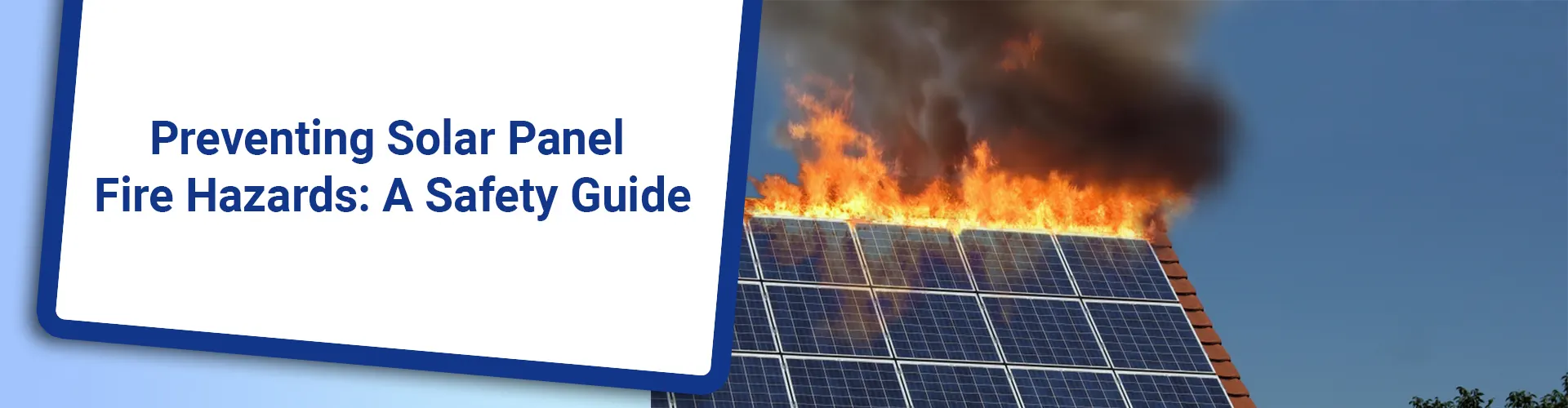
However, while the benefits are significant, it’s crucial to understand the safety aspects of solar energy systems. Though rare, solar panel fires can pose serious risks to property and people. Whether you’re planning to install a solar system for a residential apartment, individual home, commercial space, or any other facility, it’s essential to be informed about potential fire hazards.

In this blog, we’ll explore how often solar panel fires occur, their common causes, prevention strategies, and the safety measures you should consider before installing a solar system.

The transition to clean energy has made solar power a mainstream source of electricity. With increasing installations by leading solar panel manufacturers in India , the spotlight is also on ensuring the safety of solar energy systems. While rare, solar panel fires can occur, and understanding the causes, risks, and prevention methods is essential for safe operation.

Understanding Fire Hazards in Solar Energy Systems

Solar power systems, particularly solar PV modules, are generally safe when installed and maintained correctly. However, they are electrical systems, and like any such system, they can become fire hazards under specific conditions.

Preventing any risk begins with identifying its root cause. Before diving into prevention and safety strategies for solar panel fire hazards, it’s important to understand the factors that can lead to such incidents.

1. Flaws in Solar Panel Design

Design errors in a solar system can significantly raise the risk of fire. Issues like improper electrical wiring, poor ventilation, or incorrect insulation can cause heat to build up. Over time, this heat may lead to electrical failures or fire. To avoid such risks, it is crucial to choose solar panels from reputable and certified solar panel manufacturers who strictly adhere to safety protocols and industry standards.

2. Defective Components

Malfunctioning parts—such as connectors, wiring, inverters, or isolators – are common culprits behind overheating, short circuits, or electrical arcing. These issues can escalate quickly if not addressed. That’s why routine maintenance and professional inspection of your rooftop solar system are essential. Early detection of component defects helps prevent major safety hazards.

3. Improper Installation

Poor installation is another leading cause of solar panel-related fires. Common errors include loose terminal connections, insufficient grounding, or water intrusion into DC isolators. These flaws can lead to excessive heating or electrical failure. DIY installations without proper knowledge can be risky – always rely on certified, experienced installers who follow safety standards and best practices.

4. Environmental and Climatic Factors

While human error is a significant factor, natural elements can also contribute to fire risks. Lightning strikes, high temperatures, hailstorms, or nearby external fires may damage your solar setup. Although these are beyond human control, regular inspections and maintenance can help identify damage early and ensure timely repairs to minimize fire risks.

Each of these issues can be mitigated by choosing experienced solar energy manufacturers and certified installers.

Choosing the Right Solar Module Structure for Safety

A well-designed solar module structure provides adequate ventilation and ensures heat dissipation. The type of frame and racking system plays a role in preventing heat accumulation, a common precursor to thermal runaways and fires.

Tips for Safe Structural Design:

  • Opt for anodized aluminum frames with high corrosion resistance
  • Ensure proper earthing and bonding
  • Use fire-rated materials wherever possible

Practical Steps to Prevent Solar Panel Fire Hazards

While solar systems are generally safe, a few preventive measures can go a long way in minimizing fire risks. Here are some essential steps every solar system owner should follow:

1. Hire Certified and Experienced Installers

Always choose certified professionals for your solar installation. Trained installers follow established safety protocols, ensure proper grounding, and securely connect every component – drastically lowering the chances of loose wiring, short circuits, or faulty assembly. Partnering with certified experts means your system is compliant with national and international safety standards.

2. Schedule Routine Maintenance and Inspections

Regular upkeep is key to maintaining the long-term safety and efficiency of your solar system. Engage qualified technicians to inspect panels, junction boxes, inverters, and wiring at least once a year. This proactive approach helps detect wear, corrosion, or potential faults early – before they escalate into serious hazards.

3. Use Smart Monitoring Systems

Modern solar systems come equipped with advanced monitoring technologies that allow real-time tracking of performance. Mobile apps and dashboards can alert you to unusual behavior, such as sudden drops in output or abnormal voltage patterns. Addressing these anomalies quickly can prevent larger technical issues.

How PIXON Ensures Fire-Safe Solar Installations

At PIXON, we prioritize safety by using top-tier materials and following strict quality protocols. Our products include fire-rated backsheets, smart connectors, and premium mono PERC solar panels that reduce the risk of thermal events.

Explore our products page or contact us to learn more.

Related Blogs:

  • Importance of Site Survey in Solar Installation
  • Easy Guide to Choosing High Quality Solar Panels

Final Thoughts

Solar energy is one of the safest and cleanest power sources when implemented correctly. With the right components, proper installation, and timely maintenance, the risk of fire can be almost entirely eliminated. Always choose products from trusted solar panel manufacturers, ensure compliance with national and international standards, and conduct regular inspections.

For more information on fire-safe solar installations, contact us today and let our experts guide you.

Quality vs Quantity What Modern Solar Customers Actually Want

Quality vs. Quantity: What Modern Solar Customers Actually Want

In the ever-evolving world of solar energy, there is often a debate between quality and quantity. As modern solar customers, it can be challenging to navigate through the myriad of options and determine what truly matters to us. Are we more concerned about having the highest number of solar panels possible, or do we prioritize the highest quality materials and technology? In this newsletter, we aim to explore what modern solar customers actually want and how we can make informed decisions that align with our values and goals. Let’s dive in and shed some light on this important topic together.

Background:

In large-scale solar installations, the traditional metric of success has often been MW installed. However, system operators and investors are increasingly recognising that module quality, material science and degradation rates have more significant long-term financial and performance implications than initial quantity or cost. PIXON’s vertically integrated manufacturing of solar modules and EVA films offers unique insights into how high-spec materials and controlled production environments can deliver enhanced performance over 30 years.

Key Technical Factors Driving the Shift Towards Quality

1. Degradation Rate Matters More Than Initial Wattage

  • Lower-cost, high-volume modules often degrade at >0.7% per year , while premium modules can achieve rates as low as 0.3-0.45% annually.
  • Over 30 years, this difference can result in 8-12% more energy yield, directly impacting LCOE (Levelised Cost of Energy).
  • PIXON’s use of advanced encapsulants (e.g. POE, Ultra-Fast Cure EVA) ensures minimal potential-induced degradation (PID) and higher light transmission.

2. Module Efficiency & BOS Cost Optimisation

  • High-efficiency modules (e.g. Mono PERC Half-Cut cells) reduce the number of panels needed per MW.
  • This leads to:
    • Fewer structures
    • Lower cabling costs
    • Reduced labour and installation timelines
  • PIXON’s use of advanced encapsulants (e.g. POE, Ultra-Fast Cure EVA) ensures minimal potential-induced degradation (PID) and higher light transmission.

3. Material Integrity & Long-Term Performance

  • Cheaper modules often use low-grade EVA that yellows, shrinks, or delaminates under UV or damp-heat exposure.
  • PIXON EVA films are engineered for:
    • UV stability (≥3,000 hours tested)
    • Lower shrinkage ( <2% )
    • PID resistance at 85°C/85% RH
  • These properties ensure optical and mechanical stability, critical in hot and humid climates.

4. Thermal Management & Energy Yield

  • High-quality modules maintain lower operating temperatures due to better material conductivity and uniform lamination.
  • This improves: 
    • Temperature Coefficient Stability
    • Output under NOCT (Nominal Operating Cell Temperature)
    • Result: Higher average daily yield, especially in tropical installations.

5. Glass-to-Glass vs. Backsheet Module Choices

  • Glass-to-glass modules offer: 
    • Improved mechanical strength
    • Double-sided encapsulation (ideal for bifacial applications)
    • Longer durability under high wind/snow loads
  • PIXON manufactures both Glass-to-Glass and Transparent Backsheet modules, tailored to site-specific requirements.

6. Encapsulant Engineering = Reliability Backbone

  • Many module failures originate in EVA degradation. PIXON’s cleanroom-manufactured encapsulants ensure:
    • Controlled cross-linking
    • Even lamination without voids
    • Fast-curing properties that reduce thermal stress during lamination
  • Use of POE film further improves resistance to moisture ingress and PID, particularly important in coastal and high-humidity zones.

7. Certifications, Testing & Traceability

  • Premium modules come with:
  • IEC 61215, IEC 61730, IEC 62804 (PID), and Salt Mist/Ammonia Corrosion certifications
  • EL testing before and after lamination
  • Serialised data matrix codes for traceability
  • PIXON integrates advanced QC protocols at both EVA and module levels to ensure long-term product reliability.

Key Takeaway

Modern solar customers—especially utility-scale project owners—require bankable, reliable, and low-maintenance assets. The upfront cost advantage of quantity-focused procurement is quickly outweighed by the risks of performance loss, higher O&M costs, and financial underperformance over 30 years.

Technical advantage lies in:

  • High-efficiency, low-degradation modules
  • Advanced encapsulants with PID and UV resistance
  • Reduced BOS cost through higher output per panel
  • Proven durability with certifications and real-world performance

PIXON’s Role in the Quality Paradigm

  • With in-house production of both solar modules and EVA/POE films, PIXON delivers full-stack control over material quality and lamination processes—something that few manufacturers globally can claim.
  • This integration not only enhances consistency and traceability but ensures each module is engineered for real-world resilience , not just factory output

Key Technical Resources & References

1. IEC Standards for Solar Modules:

  • IEC 61215: Design qualification and type approval
  • IEC 61730: Safety qualification
  • IEC 62804: PID resistance testing
  • IEC 62716: Ammonia corrosion test
  • IEC 61701: Salt mist corrosion testing

2. NREL (National Renewable Energy Laboratory) Reports:

  • “Photovoltaic Degradation Rates — An Analytical Review”
  • “Best Practices for PV Module Reliability”

3. PI Berlin & TÜV Reports (relevant to encapsulant performance & PID resistance):

  • Encapsulant ageing and UV degradation studies
  • Cross-linking density and shrinkage analysis of EVA vs. POE

4. PIXON Internal Quality Control Data:

  • Controlled lamination using Clean Room for EVA/POE film
  • Serialised traceability system for each module batch
  • In-house accelerated ageing tests (UV, DH, TC, PID)

5. Software Tools (for further analysis):

  • PVsyst (energy simulation incorporating degradation rates)
  • SAM (System Advisor Model by NREL)
  • PAN files of PIXON modules for project-specific simulations